Uganda seeks stronger global partnerships at IMF/World Bank spring meetings
Talks centered on Uganda’s preparedness to mitigate the economic effects of the ongoing Middle East conflict, strengthen social protection systems, and manage the growing refugee population. Further talks with World Bank officials focused on sustainable financing mechanisms, including green bonds, as well as a separate Program-for-Results proposal in the education sector.
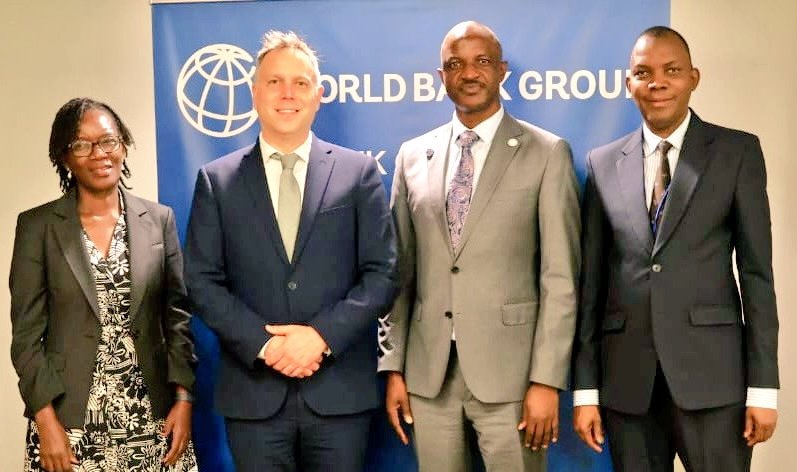
Uganda’s Permanent Secretary and Secretary to the Treasury, Ramathan Ggoobi, led a delegation from the Ministry of Finance, Planning and Economic Development in a series of high-level engagements during the just-concluded IMF/World Bank Spring Meetings 2026.
The Ugandan delegation held discussions with Phil Stevens, Director of International Finance at the Foreign, Commonwealth and Development Office. Talks centered on Uganda’s preparedness to mitigate the economic effects of the ongoing Middle East conflict, strengthen social protection systems, and manage the growing refugee population.
Dr. Ggoobi emphasized that Uganda’s national budget is structured to remain resilient and growth-oriented, with targeted investments aimed at boosting household incomes through increased food production and wealth creation. He noted that social protection measures are embedded in flagship government initiatives such as the Parish Development Model.
On refugee management, Dr. Ggoobi called for increased international support to countries hosting large refugee populations, stressing the need for additional resources to facilitate integration into host communities.
In separate engagements, the Ministry’s technical team met officials from the World Bank to advance discussions on a proposed Program-for-Results (PforR) initiative targeting natural resources, environment, climate change, land, and water management.
The proposed programme aims to ensure reliable water access for multiple uses, reduce emissions and vulnerability to climate shocks, and restore forests and wetlands while promoting eco-tourism value chains and green jobs.
Further talks with World Bank officials focused on sustainable financing mechanisms, including green bonds, as well as a separate Program-for-Results proposal in the education sector. The education programme is expected to prioritize demand-driven skills training to enhance productivity, particularly among Uganda’s youth.
The meetings form part of Uganda’s broader efforts to deepen international partnerships and mobilize financing to support sustainable economic growth and resilience.