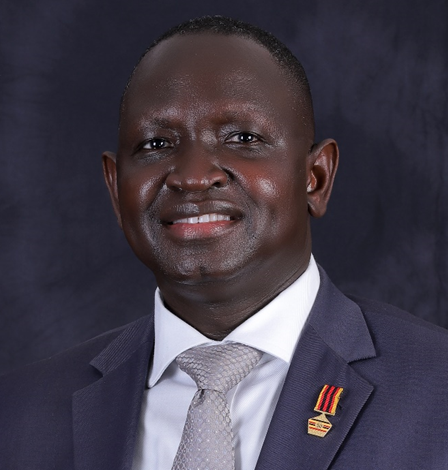
Wavamunno proposes phased electric vehicle transition to cut fuel imports and spur industrial growth
Wavamunno’s phased approach reflects a broader consensus: that Uganda’s EV transition must balance ambition with realism. By aligning policy, investment, and public engagement, stakeholders believe the country can build a competitive, sustainable automotive industry.

Wavamunno proposes phased electric vehicle transition to cut fuel imports and spur industrial growth
Uganda’s push toward electric mobility is gaining momentum, but industry leaders are urging caution and strategic planning to ensure the transition delivers real economic value.
At the centre of the conversation is Gilbert Wavamunno, Chairperson, Uganda Motor Industry Association (UMIA), who is advocating for a phased transition to electric vehicles (EVs), one anchored in policy support, infrastructure investment, and public awareness.
Speaking during a multi-stakeholder engagement on Uganda’s automotive future, Wavamunno warned against a rushed shift, arguing that the country must first build the foundations necessary for sustainable adoption.
“Electric mobility requires time, infrastructure, public awareness, and supportive policy. This transition cannot happen overnight,” he said.
A Gradual Shift with Economic Payoffs
Wavamunno’s proposal centres on a structured rollout of EVs, backed by tax incentives, reduced import duties, and investment in charging infrastructure. The goal, he says, is to ease adoption while positioning Uganda to capture long-term economic benefits.
Among the biggest gains, he noted, is the potential to significantly reduce Uganda’s foreign exchange expenditure on fuel imports and spare parts, two major drains on the economy.
While even advanced economies are still adapting to electric mobility, Wavamunno believes Uganda can leapfrog certain stages if the transition is well-managed.
Investor Confidence and Policy Alignment
The proposals come amid broader efforts to attract investment into the automotive sector.
A high-level meeting convened by Edith Nakalema at the State House Investors Protection Unit (SHIPU) brought together government agencies and development partners to address investor concerns.
Jacob Kahl Jepsen, representing the Embassy of Denmark, said the EV transition goes beyond transport.
“This is not just about vehicles, it is about modernization, local manufacturing, and building confidence around new alternatives,” he noted, adding that Denmark is keen to support Uganda’s green mobility ambitions.
Expanding the Mobility Ecosystem
Industry players say the transition is already underway, particularly in last-mile transport. Hakim Owing, ESG Advocacy & partnership at eBee.Uganda, highlighted the role of electric bicycles in providing affordable, clean mobility solutions.
With millions of kilometres already covered on e-bikes, the segment is emerging as a practical entry point into electric transport, especially in urban and peri-urban areas.
Policy Backing and National Strategy
Government officials say the shift to e-mobility is no longer experimental. According to Winston Katushabe, Commissioner Transport Regulation & Safety at ministry of works and transport, electric mobility has been formally integrated into Uganda’s development agenda under the National Development Plan IV and the 10-Fold Growth Strategy.
“This is not a pilot program, but a structured economic transformation agenda,” he said.
Despite growing momentum, challenges remain, particularly around infrastructure gaps, high upfront costs, and limited public awareness.
Wavamunno’s phased approach reflects a broader consensus: that Uganda’s EV transition must balance ambition with realism. By aligning policy, investment, and public engagement, stakeholders believe the country can build a competitive, sustainable automotive industry.
If successfully implemented, the transition could not only reduce reliance on imported fuel but also open new opportunities in manufacturing, technology, and green jobs, placing Uganda on a new path in the global shift toward cleaner transport.