Why government is standing firm on trade order enforcement
By combining enforcement with sensitisation and infrastructure expansion, authorities hope to achieve cleaner, safer, and more economically vibrant urban centres, without leaving vulnerable traders behind.
The Ugandan government’s decision to maintain and intensify enforcement of the trade order is rooted in a broader strategy to formalise the economy, improve urban management, and safeguard public health, officials say.
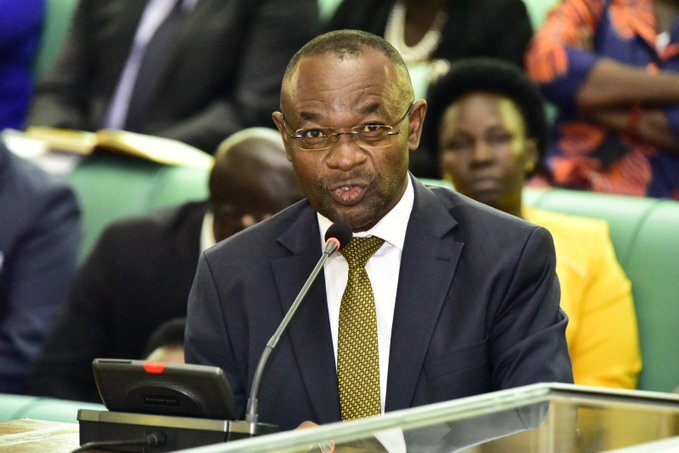
Following its 27th sitting, Cabinet reaffirmed its commitment to the policy, backing continued implementation across cities and municipalities. According to Raphael Magyezi, the local government minister, the directive is aimed at restoring structure in urban trading spaces while protecting livelihoods through a more organised system.
At the heart of the policy is the push to relocate informal traders from streets, pavements, drainage channels and road reserves into designated markets and approved business areas. Authorities argue that this is necessary to create safer working environments and reduce congestion in rapidly growing urban centres.
“No Ugandan should earn a living in unsafe drainage channels, road reserves or congested walkways,” the government said in a statement, emphasising the need to balance order with economic survival.
Public Health and Safety Concerns
One of the key drivers behind the enforcement is public health. Government guidelines explicitly prohibit the sale and preparation of food in unhygienic spaces such as sewer lines and drainage systems. Local governments have also been directed to improve sanitation through regular market cleaning, proper waste management, and better street lighting.
Officials say these measures are critical in preventing disease outbreaks and ensuring that food sold to the public meets basic safety standards.
Formalisation of Trade
The policy also seeks to bring more traders into the formal economy. By requiring licensing under the Trade (Licensing) Act CAP 101, authorities aim to improve regulation, expand the tax base, and enhance accountability in the business environment.
Formalisation is expected to make it easier for traders to access financial services, benefit from government programmes, and operate within a predictable regulatory framework.
Urban Planning and Order
Uganda’s fast urbanisation has placed increasing pressure on infrastructure, often resulting in overcrowded streets and unregulated developments. The trade order guidelines require compliance with planning laws, including the Physical Planning Act and the Building Control Act, to ensure orderly growth of towns and cities.
In addition, local authorities have been tasked with streamlining public transport operations and removing outdated campaign materials to improve the visual and functional appeal of urban areas.
Inclusive Implementation Strategy
While enforcement has in some cases drawn resistance from traders, government says it is adopting a more inclusive approach going forward. Cabinet has directed the formation of an inter-ministerial task force that will work with stakeholders including vendors, traders, and religious institutions.
Authorities also plan to expand designated trading spaces, introduce weekly market days, and intensify community sensitisation campaigns to ensure smoother implementation.
“We shall work out solutions to ensure that people who have not yet found space in formal markets are reassigned to new places,” Magyezi said.
Balancing Order and Livelihoods
Ultimately, the government maintains that the trade order is not about eliminating informal trade, but restructuring it in a way that benefits both traders and the wider public.
By combining enforcement with sensitisation and infrastructure expansion, authorities hope to achieve cleaner, safer, and more economically vibrant urban centres—without leaving vulnerable traders behind.
For now, officials are urging compliance, warning that a return to unauthorized trading spaces will not be tolerated as the policy enters its next phase of implementation.