FDC rejects ‘Protection of Sovereignty Bill’, announces parliamentary strategy amid political tensions
The Bill, according to the party, threatens fundamental freedoms including expression, assembly, and political dissent. The FDC argued that such legislation undermines the constitutional principle that sovereignty belongs to the people.
FDC rejects ‘Protection of Sovereignty Bill’, announces parliamentary strategy amid political tensions
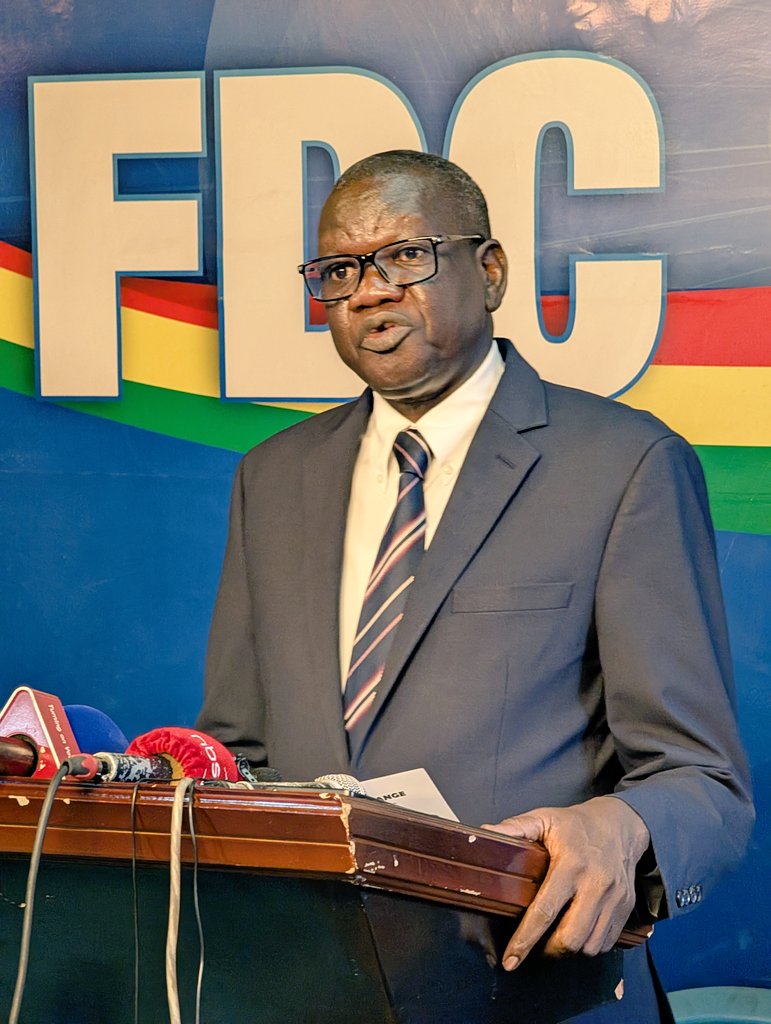
The Forum for Democratic Change (FDC) has strongly rejected the proposed Protection of Sovereignty Bill, 2026, describing it as a legislative attempt to restrict civil liberties and weaken democratic freedoms in Uganda.
In a statement issued in Kampala, the party said the Bill, tabled in Parliament on April 15, 2026 by the State Minister for Internal Affairs, was part of what it called a wider pattern of laws designed to curtail political space.
The Bill, according to the party, threatens fundamental freedoms including expression, assembly, and political dissent. The FDC argued that such legislation undermines the constitutional principle that sovereignty belongs to the people.
The party maintained that the proposed law would “silence, imprison, and destroy the Ugandan people’s ability to speak, assemble, challenge power, and live in freedom,” urging Parliament to reject it in its current form.
Legislative Agenda and Parliamentary Strategy
Alongside its rejection of the Bill, the FDC announced a structured induction programme for its newly elected Members of Parliament, aimed at strengthening their capacity in legislative work, oversight, and policy formulation.
The programme will also support the development of a formal FDC Legislative Policy Framework, which the party says will outline its positions on key national issues, including proposed legislation, national budgets, oversight responsibilities, and constitutional reforms.
According to the party, the framework is intended to provide a unified position for its lawmakers in the 12th Parliament and guide their engagement on matters of national importance.
“Parliament will be one of our battlefields,” the party noted, emphasising its intention to actively challenge government proposals it considers inconsistent with democratic principles.
Disputed Electoral Outcome
The FDC also reiterated its rejection of the outcome of the 2026 general elections, stating that it does not recognise the declared results.
The party cited alleged irregularities, including an internet shutdown during the electoral process, arrests of opposition supporters, and reported incidents of ballot stuffing captured on video. It argued that these conditions compromised the credibility of the election.
“FDC did not accept, does not accept, and will not legitimise the declared outcome of the 2026 elections,” the statement read.
Political Tensions Ahead of 12th Parliament
The developments highlight growing political tension ahead of the full inauguration of the 12th Parliament, with opposition parties positioning themselves for a more confrontational legislative role.
The FDC says its strategy will focus on mobilisation within Parliament and strengthening policy alternatives, while continuing to challenge what it views as shrinking democratic space in the country.
The government has not yet publicly responded to the party’s latest statement on the proposed Bill.