Mao seeks Museveni’s blessing in bid for speaker of 12th parliament
The Democratic Party president writes to the head of state requesting his candidacy be put before the NRM caucus, invoking a 40-year-old spirit of political cooperation
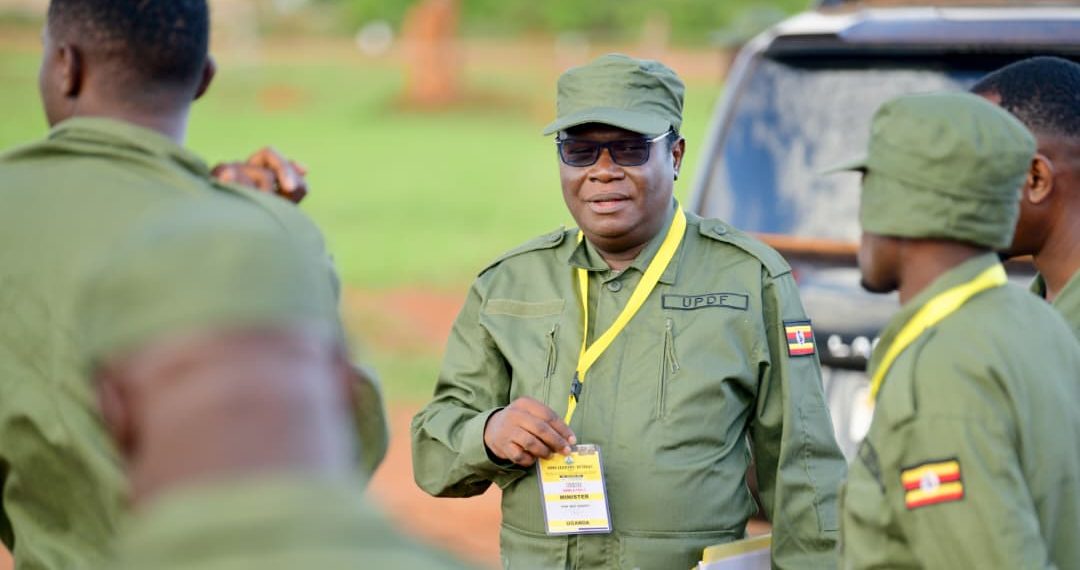
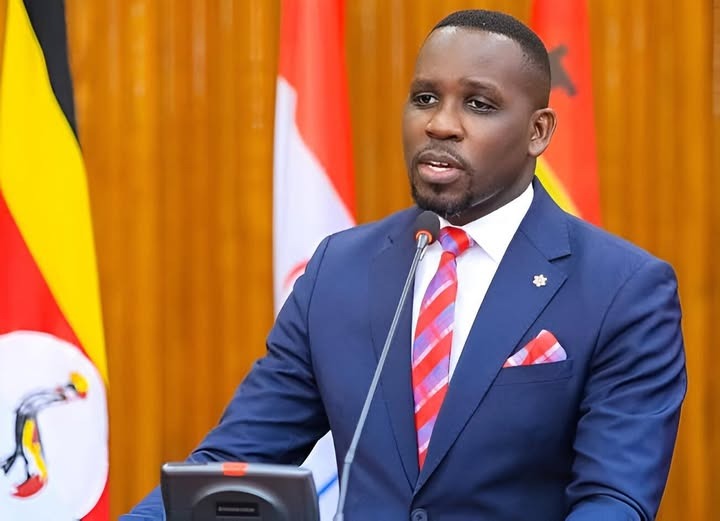
Norbert Mao, president of the Democratic Party and member of parliament for Laroo-Pece, has formally written to President Yoweri Kaguta Museveni declaring his candidacy for the position of Speaker of the 12th Parliament. In the letter, Mao asks the head of state to champion his cause within the ruling NRM establishment.
In the letter, dated May 19, 2026, Mao reminded the president that he won his parliamentary seat with the president’s personal backing and that the DP has long operated as an ally of the National Resistance Movement.
On that basis, he requested Museveni ensure his name is submitted to the NRM Central Executive Committee and placed before the NRM Parliamentary Caucus alongside those of other declared candidates.
“A proper ranking of the strength of each candidate by the Caucus will be a clear indication of the support each candidate enjoys, and the candidate most highly rated will then be the one to face the full Parliament.”
Mao pledged to abide by whatever decision the caucus reaches, framing his ask as a call for process rather than privilege. He also requested an urgent one-on-one meeting with the president to discuss the matter.
“I beg your indulgence in the Spirit of 1986 and the NRM-DP Cooperation to allow my candidature to be considered by the NRM Central Executive Committee and the NRM Parliamentary Caucus alongside that of the other candidates who have expressed interest.”
After the letter circulated and attracted public curiosity, Mao took to X (formerly Twitter) to publish its full text and elaborate on the reasoning behind it.
He noted that President Museveni himself, in recent guidance at Kyankwanzi, affirmed that the ultimate authority to choose the Speaker rests with MPs, the majority of whom are NRM.
Under that logic, Mao argued, the CEC’s role is only to recommend candidates to the caucus, and the caucus vote is the real decision. The full parliamentary vote, he suggested, would merely confirm what the caucus had already settled.
Mao used the occasion to make a broader political argument. He appealed to what he called “the Spirit of 1986”, a reference to the early years of NRM rule when the DP cooperated with Museveni’s government to stabilise the country after years of turbulence.
President Museveni himself, Mao noted, referenced that alliance in the opening minutes of his most recent inaugural address.
But Mao did not stop at nostalgia. He lamented that the 1986 spirit “did not evolve” and that Uganda has remained trapped in a fragmented political landscape inherited from the chaos of independence-era politics.
He called on the country’s political actors to break that mould, suggesting that the NRM-DP cooperation could deepen over time, from an alliance, to a coalition, and eventually a merger.
“Even the NRM was cast out of Yoweri Museveni’s Popular Resistance Army and Yusuf Lule’s Uganda Freedom Fighters. As Uganda moves forward we must overcome the political timidity that has kept us in molds that undermine progress.”
He concluded his social media statement with a Luganda proverb, “engalo ibiri nokunaabisana”, meaning two hands wash each other, to underscore his point that productive politics requires mutual cooperation rather than one party dominating the other.
It remains to be seen whether Museveni will grant Mao the meeting he has requested or direct the CEC to include his name in the caucus deliberations. The composition of candidates for the speakership of the 12th Parliament is still being finalised ahead of the new parliamentary term.