UBOS gender report shows high female illness rates, education barriers, and rising youth violence
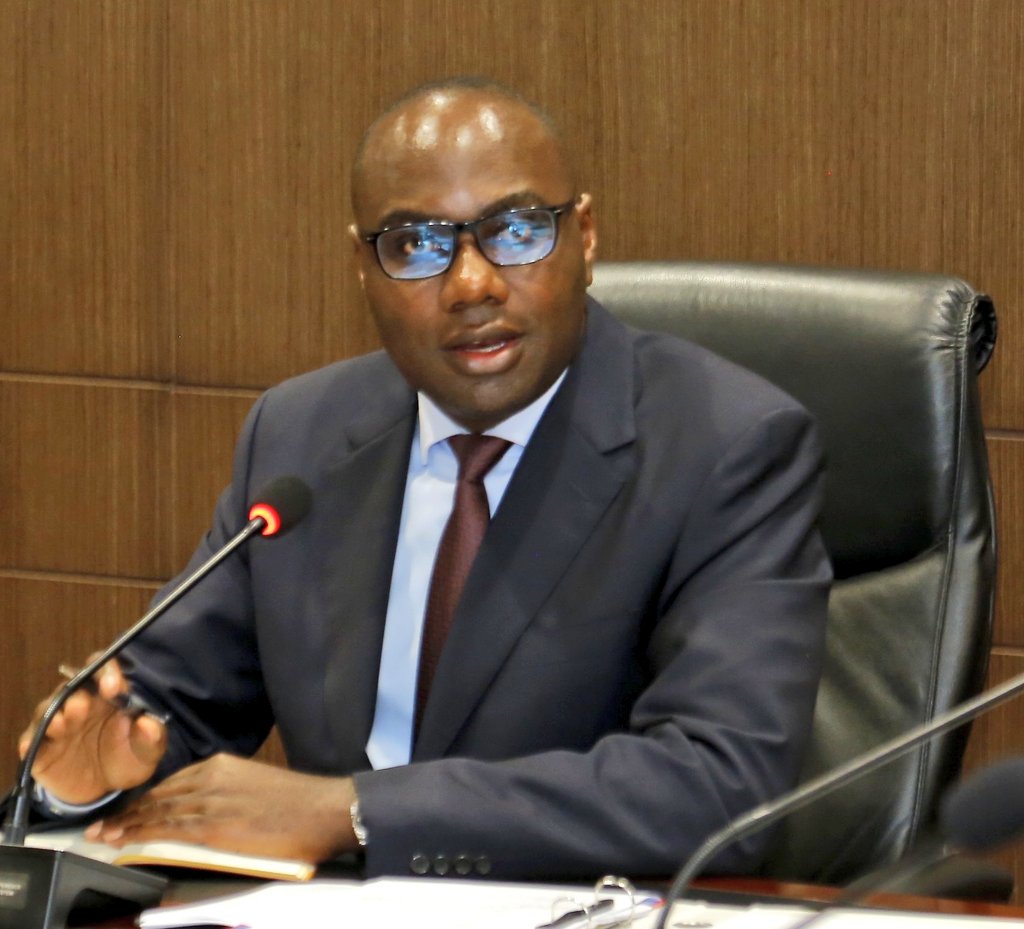
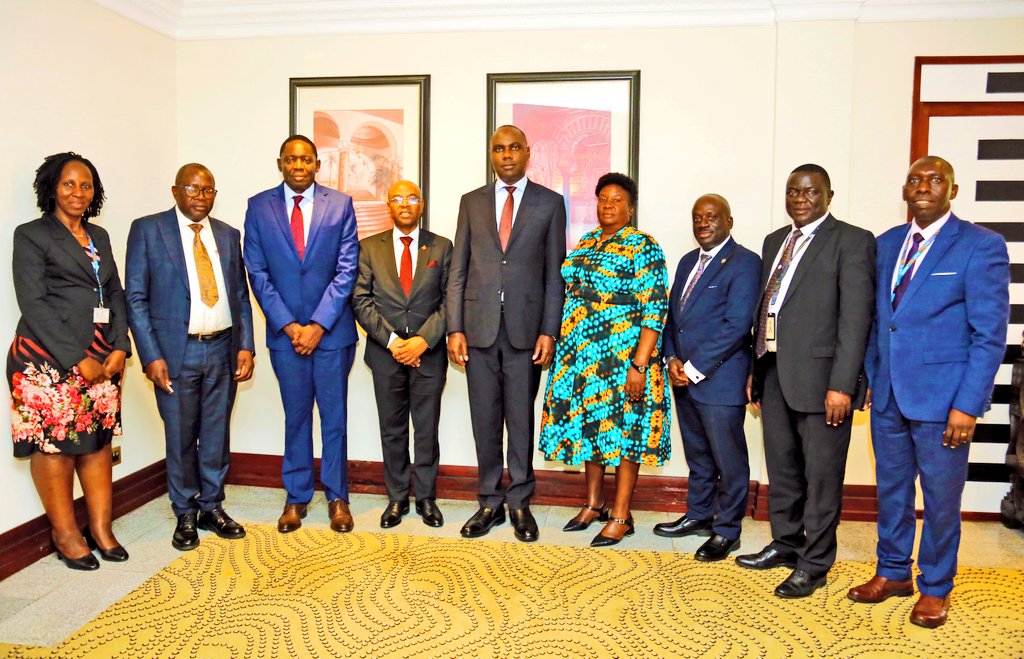
The forum, held at the UBOS head office, served as a crucial platform to deepen discussions on advancing gender-responsive data, which is vital for evidence-based planning and monitoring progress towards national and international development goals.

The Uganda Bureau of Statistics (UBOS) yesterday hosted the 8th Annual Gender Statistics Forum in Kampala, unveiling its 2023/24 Gender Statistics Report. The event, part of African Statistics Week 2025, brought together partners and stakeholders to address innovations in gender data systems, aiming to inform evidence-based policies for a more just, peaceful, inclusive, and prosperous Africa.
The forum, held at the UBOS head office, served as a crucial platform to deepen discussions on advancing gender-responsive data, which is vital for evidence-based planning and monitoring progress towards national and international development goals.
Presented by Oweka Benson of UBOS, the newly launched report paints a mixed but often challenging picture of gender equality in Uganda across various sectors.
Key Findings from the Gender Statistics Report 2023/24:
Health Disparities: The report revealed that a higher percentage of females (22.7%) suffered from sickness or injury compared to males (19.6%). Of those affected, 83% sought healthcare, predominantly from private hospitals/clinics, followed by government health centres.
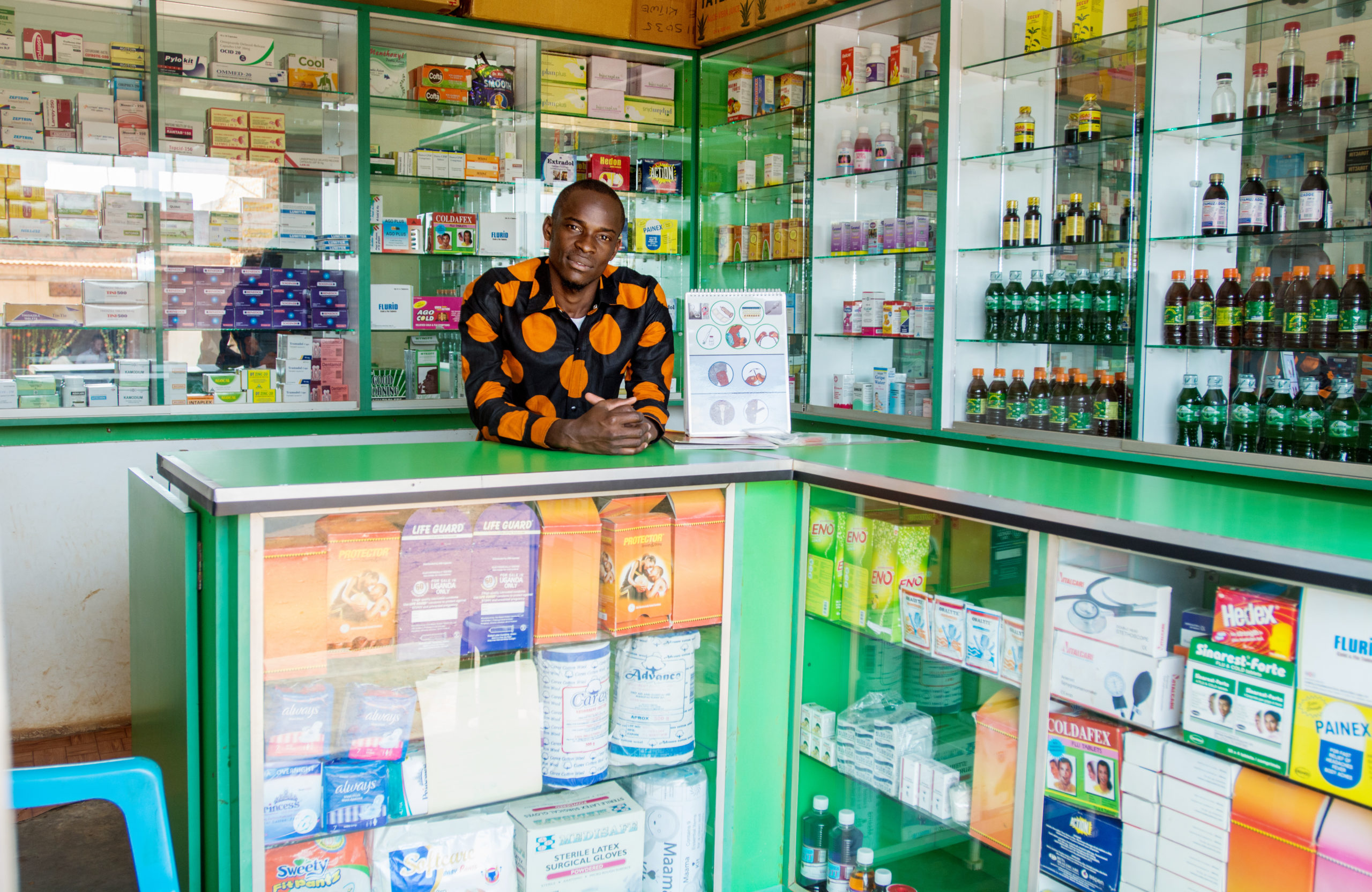
Menstrual Hygiene Concerns: While sanitary pad usage has reportedly increased among younger age groups (15-19 years at 70.8% and 20-24 years at 74.8%), a concerning proportion still relies on makeshift solutions or nothing at all. The report indicates that 13.1% of females aged 15-19 and 12.4% aged 20-24 use cloth, while 3.8% and 2.9% respectively have no materials to use during their menstrual periods.
Education Gap: Significant disparities persist in education. The report shows a lower percentage of females attaining education compared to males, with this gap widening notably at higher education levels. A stark 22.7% of females have no formal education, and only 5.2% pursue education beyond secondary school.
Barriers to Schooling: Barriers to schooling remain prevalent, with 25% of males and 21% of females citing expense as the primary reason for non-attendance. Other factors include disability, orphanhood, and lack of willingness. Alarmingly, 10% of females cited pregnancy as the reason for leaving school, a statistic not mirrored for males in the report.
Violence Statistics: In terms of violence, women with less or no education were found to experience more physical violence in the past 12 months than their educated counterparts. Interestingly, men aged 15-19 experienced more violence compared to women in the same age bracket, though the report notes that higher rates of violence generally occur between ages 25-29.
Officiating the launch, Peace Mutuuzo, State Minister for Gender & Culture Affairs, emphasized the critical need for gender equality as a fundamental stride towards reducing the poverty gap and ensuring inclusive growth. She asserted that achieving gender equality is vital for Uganda to meet its Agenda 2040 and Sustainable Development Goals (SDGs).
Minister Mutuuzo critically observed that leadership has often been male-dominated due to historical denial of resources to women. She called for an inclusive development approach that tackles cultural and societal barriers by fostering equal opportunities in employment, services, education, and health.
Highlighting Uganda’s demographic advantage as the world’s second youngest population, she added, “We need to train them, find sustainable employment for them, thereby ensuring human capital development. This will help us remain firm and ensure peace and stability.”
Dr. Chris N. Mukiza, the Chief Statistician and Executive Director of UBOS, reiterated the bureau’s unwavering commitment to providing timely and accurate data to underpin evidence-based planning. He extended his gratitude to Minister Mutuuzo for her dedication to gender concerns, presenting her with a hamper in appreciation of her efforts.
The 8th Annual Gender Statistics Forum underscores the ongoing efforts by UBOS and its partners to illuminate gender disparities and advocate for data-driven interventions that pave the way for a more equitable and prosperous Uganda.