Uganda maps its fish farms for the first time and the numbers tell a big story
Despite the majority of farms, 6,408 out of 9,463, being located in rural areas, it is urban farms that drive the bulk of output. Urban operations produced 72.1% of total fish, against just 27.9% from their rural counterparts.
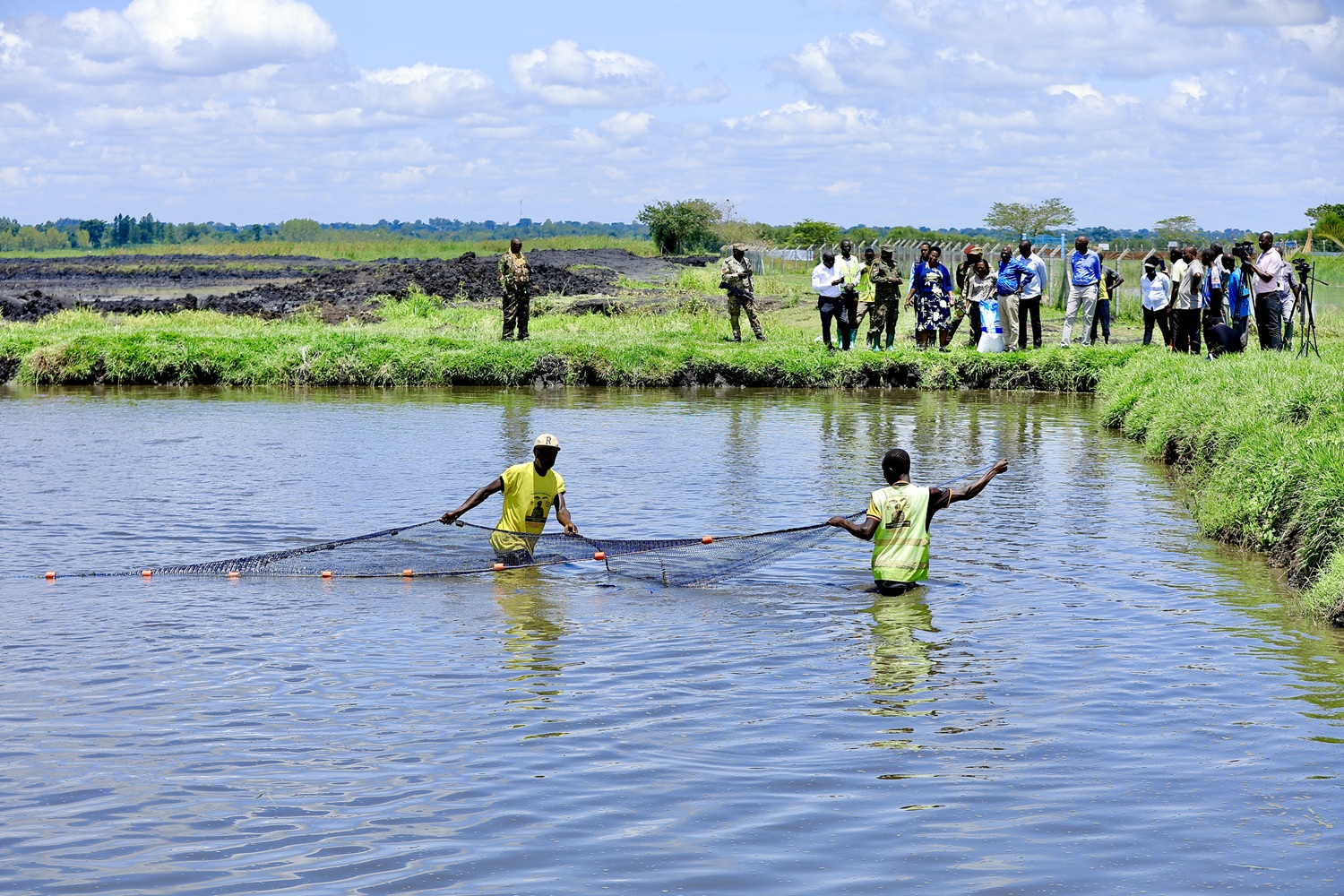
Uganda has, for the first time in its history, conducted a full census of its aquaculture sector, and in doing so, has produced what officials say is the most comprehensive national fish-farming dataset ever compiled on the African continent.
The Uganda Aquaculture Census (UAC) Report 2025, released today, 30th April, 2026, by the Uganda Bureau of Statistics (UBOS), paints a detailed picture of an industry producing over 65,000 metric tonnes of fish annually, spread across nearly 9,500 farms from Karamoja to the shores of Lake Victoria.
The reference period for the census ran from July 2024 to June 2025, with field data collection carried out between May and June 2025.
Farms were identified using lists drawn from the National Population and Housing Census 2024 and district local government registers, ensuring what UBOS describes as complete national coverage of both freshwater and land-based systems, including grow-out farms and hatcheries.
“We are setting the pace for aquaculture statistics in Africa. This report comes at a critical time to guide Government and private sector planning.” Dr. Chris N. Mukiza, Executive Director, Uganda Bureau of Statistics, said during the dissemination of the report in Kampala.
Tilapia is the undisputed centrepiece of Uganda’s aquaculture economy, accounting for 53,924 metric tones, more than four-fifths of all production.
Catfish contributes a meaningful but distant 11,347 metric tonnes (17.3%), while mirror carp and other species together make up less than half a percent of total output.
The concentration in tilapia reflects both consumer preference and the species’ adaptability to pond-based farming, the dominant production method, with 24,348 ponds recorded nationwide and 17,108 stocked during the census period.
Geography of Production
Despite the majority of farms, 6,408 out of 9,463, being located in rural areas, it is urban farms that drive the bulk of output. Urban operations produced 72.1% of total fish, against just 27.9% from their rural counterparts.
This urban productivity advantage likely reflects better access to commercial feeds, extension services, and markets.
The census notes that 8,097 of the 9,390 grow-out farms used some form of supplementary feed, with commercial floating and sinking feeds among the most common inputs.
Regionally, Buganda sub-region dominates on both counts: it recorded the highest number of farms at 1,270 (13.4% of the national total) and the highest production volumes.
Busoga, Ankole, and Tooro follow in the farm-count rankings.
At the other end of the scale, Sebei sub-region recorded the lowest production nationally, while Kampala Capital City, despite its urban premium in productivity, had the fewest farms of any area at just 20, reflecting the constraints of urban land availability.
Seed, Inputs, and Extension Services
The census also captured upstream activity in the value chain. A total of 273 hatcheries were operational during the reference year, with an installed seed production capacity of 200.1 million seed, though actual output reached 149.9 million, pointing to a utilisation gap that could represent an investment opportunity.
On extension services, only 53.3% of farms reported accessing any form of advisory support, a figure that policymakers will likely flag as a priority area for improvement if productivity gains are to reach the rural majority.
“This report provides up-to-date statistics on the structure of the aquaculture sector, including distribution patterns, stock production, and extension services, to support planning for food security, income generation, and value addition.” said Dr. Chris N. Mukiza.
A Continental First
Beyond the numbers, the release carries symbolic weight. Dr. Mukiza noted at the dissemination event that no other National Statistical Office in Africa has conducted a census of this scope and nature.
This positions Uganda as a model for evidence-based fisheries governance on the continent. For investors, agribusiness players, and government planners, the UAC 2025 provides a rare quantitative foundation from which to assess the sector.
The data on farm distribution, species mix, hatchery capacity, and extension reach could inform decisions ranging from feed supply chain investments to targeted public extension programmes in underserved sub-regions.