
New charter puts pastoralist women at center of Africa’s rangeland agenda
The newly launched Charter seeks to address these gaps by prioritizing women’s leadership, land rights, and climate resilience, while advocating for recognition of pastoral mobility as a fundamental right. It also calls for gender-responsive policies at national, regional, and global levels.
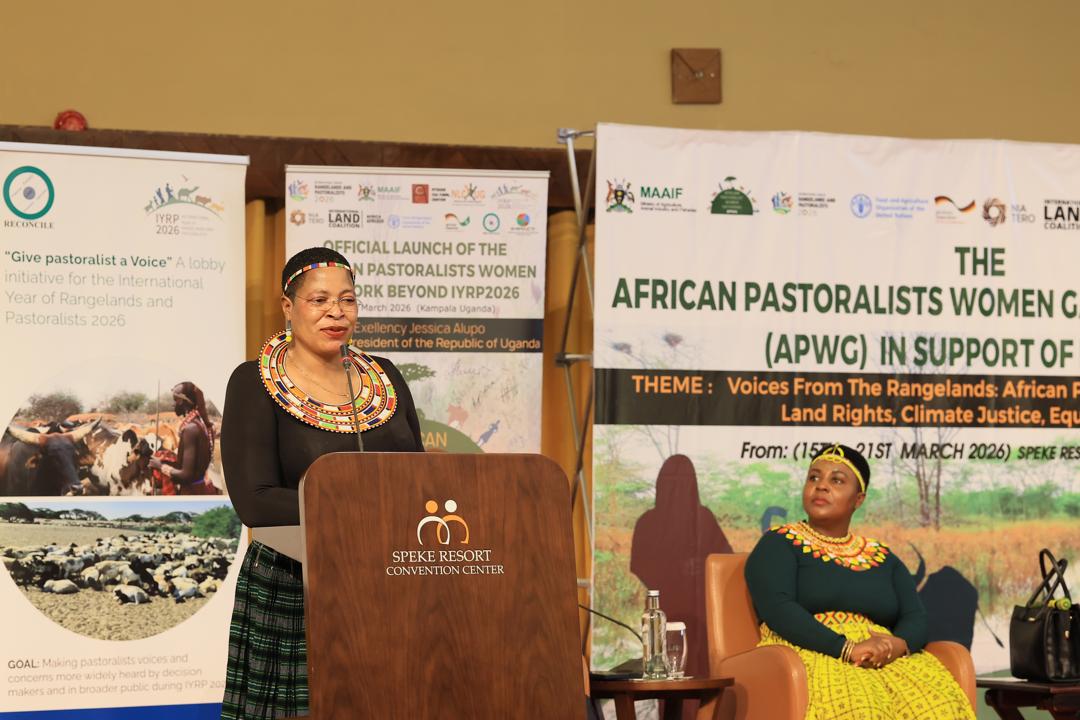
At the shores of Lake Victoria, Uganda has positioned itself at the center of a growing continental movement to elevate the voices of pastoralist women, as Anita Annet Among, the Speaker of Uganda’s Parliament, presided over a landmark gathering in Speke Resort Munyonyo.
The high-level meeting, which brought together over 200 delegates from across Africa, marked both the closing of the African Pastoralist Women’s Gathering and the launch of the African Rangelands and Pastoralists Women Charter, a policy blueprint aimed at reshaping gender inclusion in pastoral systems.
The event feeds into the global momentum toward the International Year of Rangelands and Pastoralism 2026, with upcoming milestones in Nepal and Mongolia.
In her address, Among underscored the often-overlooked role of women in pastoral economies, noting that discussions on rangelands have historically sidelined a critical segment of the population.
“Pastoralist women are central to animal care, food production, household resilience and peacebuilding, yet their contribution remains largely invisible,” she said, calling for their full inclusion in decision-making processes.
The Speaker, who described herself as a pastoralist, framed the gathering as a turning point in redefining policy and perception around pastoral livelihoods. She delivered greetings from President Yoweri Kaguta Museveni, reaffirming government commitment to strengthening pastoral systems through policy, peacebuilding, and regional cooperation.
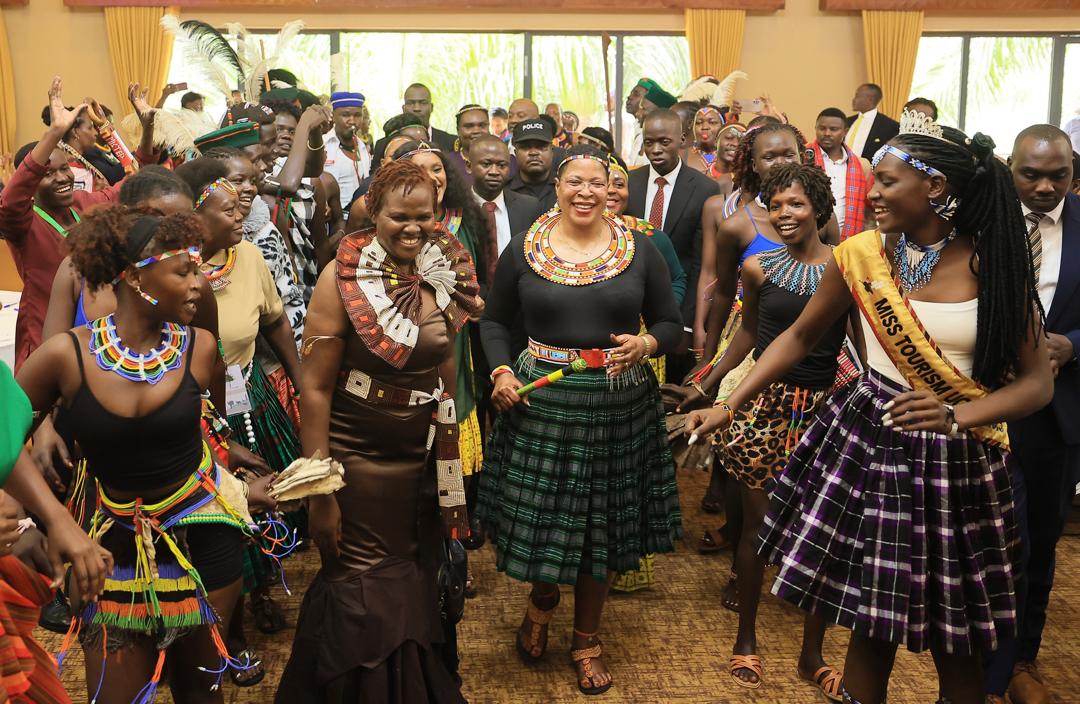
Uganda’s rangelands, covering nearly half of the country’s landmass and supporting over 6.6 million people, form the backbone of pastoral livelihoods within the expansive “cattle corridor.” Stretching from the northeastern borders with Kenya and South Sudan to the southwest near Tanzania, these ecosystems remain both economically vital and environmentally fragile.
Among highlighted progress made in stabilizing pastoral regions, particularly in Karamoja, where disarmament efforts and cross-border collaboration have significantly reduced livestock theft. Government interventions, she noted, are increasingly focused on diversifying livelihoods through irrigation and skills development.
Yet, the gathering also laid bare persistent challenges. Delegates cited land fragmentation, weak tenure systems, climate shocks, and limited veterinary services as major threats to pastoral sustainability. Women and children, participants observed, continue to bear the heaviest burden, facing increased workloads and diminished access to education.
A recurring concern was the erosion of communal grazing systems, often undermined by land privatization and bureaucratic hurdles in registering communal land associations. These issues, coupled with climate variability and inadequate data systems, have complicated traditional mobility patterns that pastoralists rely on.
The newly launched Charter seeks to address these gaps by prioritizing women’s leadership, land rights, and climate resilience, while advocating for recognition of pastoral mobility as a fundamental right. It also calls for gender-responsive policies at national, regional, and global levels.
Participants, from countries including Benin, Cameroon, Kenya, South Sudan, Tanzania, and Uganda, emphasized the importance of unity under the African philosophy of Ubuntu, reinforcing collective responsibility in tackling shared challenges.
Development partners such as GIZ, FAO, and regional organizations were recognized for supporting the initiative, signaling a multi-stakeholder approach to advancing pastoralist agendas.
As Africa prepares to take its voice to the global stage in 2026, Uganda’s hosting of the gathering signals a strategic effort to influence international discourse on rangelands and pastoralism—this time, with women firmly at the center.