CAF AFCON 2027 preparations meeting in Kampala to test East Africa’s joint hosting model
Beyond stadium readiness and logistics, the Kampala discussions are expected to highlight a less visible but critical challenge: synchronising standards and systems across three different national structures to deliver a single, seamless tournament experience.
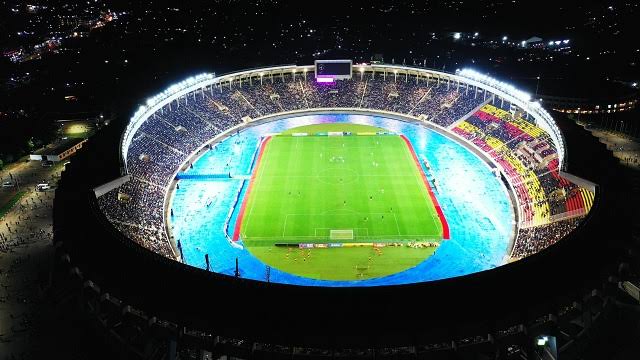
As Uganda prepares to host a key coordination meeting of the Confederation of African Football, attention is increasingly turning to the unprecedented joint hosting arrangement for the Africa Cup of Nations 2027, which will be staged across Uganda, Kenya and Tanzania.
The two-day meeting, scheduled for April 22–23 in Kampala, brings into focus not only tournament preparations, but also the complexities and opportunities of managing Africa’s premier football competition across three nations under the PAMOJA hosting framework.
A senior CAF delegation is expected to engage with government representatives and football administrators from the three countries to assess how far planning has progressed in harmonising infrastructure, operations, and delivery systems across borders.
The presence of Acting CAF General Secretary Samson Adamu and senior technical officials from competitions, broadcasting, security, finance, and commercial departments signals a shift from early planning to operational testing and alignment.
Beyond stadium readiness and logistics, the Kampala discussions are expected to highlight a less visible but critical challenge: synchronising standards and systems across three different national structures to deliver a single, seamless tournament experience.
Key focus areas include cross-border coordination on security operations, unified ticketing platforms, media and broadcasting rights distribution, and commercial partnerships that must function consistently across all three host countries.
Observers note that the AFCON 2027 model represents a major test for CAF’s multi-country hosting strategy, which aims to expand tournament capacity while deepening regional cooperation in African football.
For Uganda, Kenya, and Tanzania, the meeting also provides an opportunity to demonstrate political will and institutional readiness as preparations move from planning to implementation.
CAF officials are expected to use the session to identify gaps, strengthen coordination mechanisms, and ensure that all three nations are aligned on timelines and delivery standards.
The PAMOJA arrangement, which symbolises unity and collaboration, will require sustained technical coordination to ensure that fans experience the tournament as a single continental event rather than separate national competitions.
As preparations intensify, the Kampala meeting is seen as an early but critical test of whether East Africa can successfully translate its joint hosting ambition into a fully integrated and world-class Africa Cup of Nations in 2027.