Uganda courts UK capital with bold pitch on mining and energy opportunities
The London engagement signals Kampala’s intent to deepen ties with UK investors at a time when competition for capital, particularly in mining, oil, and energy infrastructure, is intensifying across emerging markets. For Uganda, unlocking these partnerships is central to advancing industrialisation, boosting exports, and financing its long-term energy transition ambitions.
Uganda has stepped up its international investment drive, positioning its mining and energy sectors as prime destinations for United Kingdom capital amid growing global demand for transition minerals.
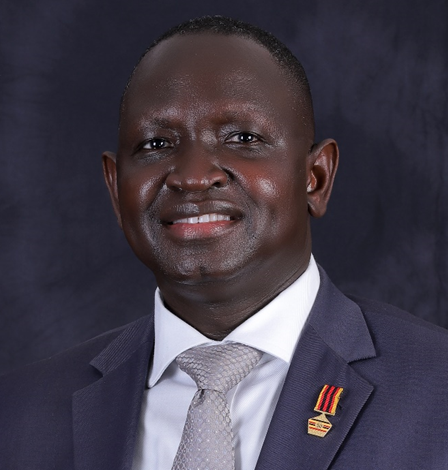
Speaking at a high-level Mining and Energy luncheon in London, the Permanent Secretary and Secretary to the Treasury, Ramathan Ggoobi, called on British investors to “partner, invest and prosper” with Uganda, highlighting the country’s readiness to absorb large-scale capital.
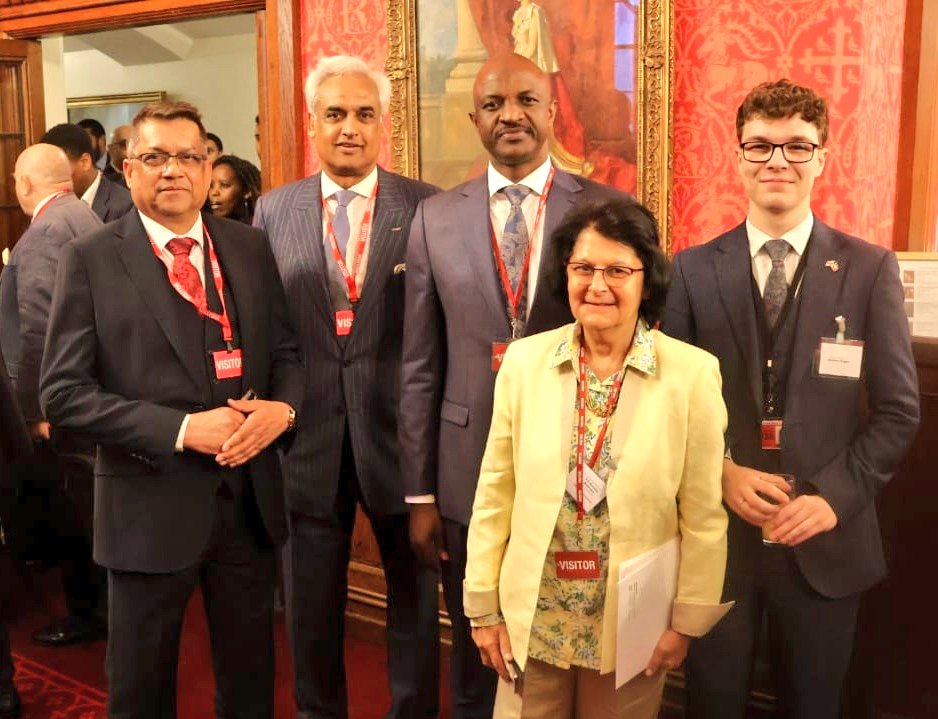
The event, organised by the Uganda High Commission in London in collaboration with the Eastern Africa Association and the Westminster Africa Business Association, was hosted at the Palace of Westminster under the theme “Opportunities for Growth & Investment.”
Ggoobi framed Uganda’s pitch around a convergence of favourable factors: natural resource endowment, policy reforms, and rising global appetite for minerals critical to the energy transition.
“Uganda stands at the intersection of resource abundance, policy reform, and rising global demand for energy transition materials. We are not simply resource rich; we are investment ready,” he said.
He noted that Uganda hosts more than 30 commercially viable minerals, positioning the country as an emerging player in global supply chains for critical resources. Analysts say this messaging aligns with a broader continental trend, as African economies seek to capture more value from extractive industries amid the global shift toward cleaner energy technologies.
Adding a diplomatic and strategic dimension to the pitch, Nimisha Madhvani underscored Uganda’s macroeconomic stability and demographic advantage.
“Uganda today stands at an exciting point in its development journey,” she said, pointing to a young and enterprising population, a stable macroeconomic environment, and the country’s geographic position as a gateway to East Africa.
The London engagement signals Kampala’s intent to deepen ties with UK investors at a time when competition for capital, particularly in mining, oil, and energy infrastructure, is intensifying across emerging markets. For Uganda, unlocking these partnerships is central to advancing industrialisation, boosting exports, and financing its long-term energy transition ambitions.
With investor sentiment increasingly shaped by governance, infrastructure readiness, and regulatory clarity, Uganda’s message in London was clear: the fundamentals are in place, and the window for early movers remains open.