Bank of Uganda supports Nsambya babies home with UGX10 million donation during charity walk.
The annual charity walk was led by Bank of Uganda Governor Dr. Michael Atingi-Ego, who served as the Chief Walker, alongside staff and other well-wishers who joined efforts to raise resources for children under the care of Nsambya Babies Home.
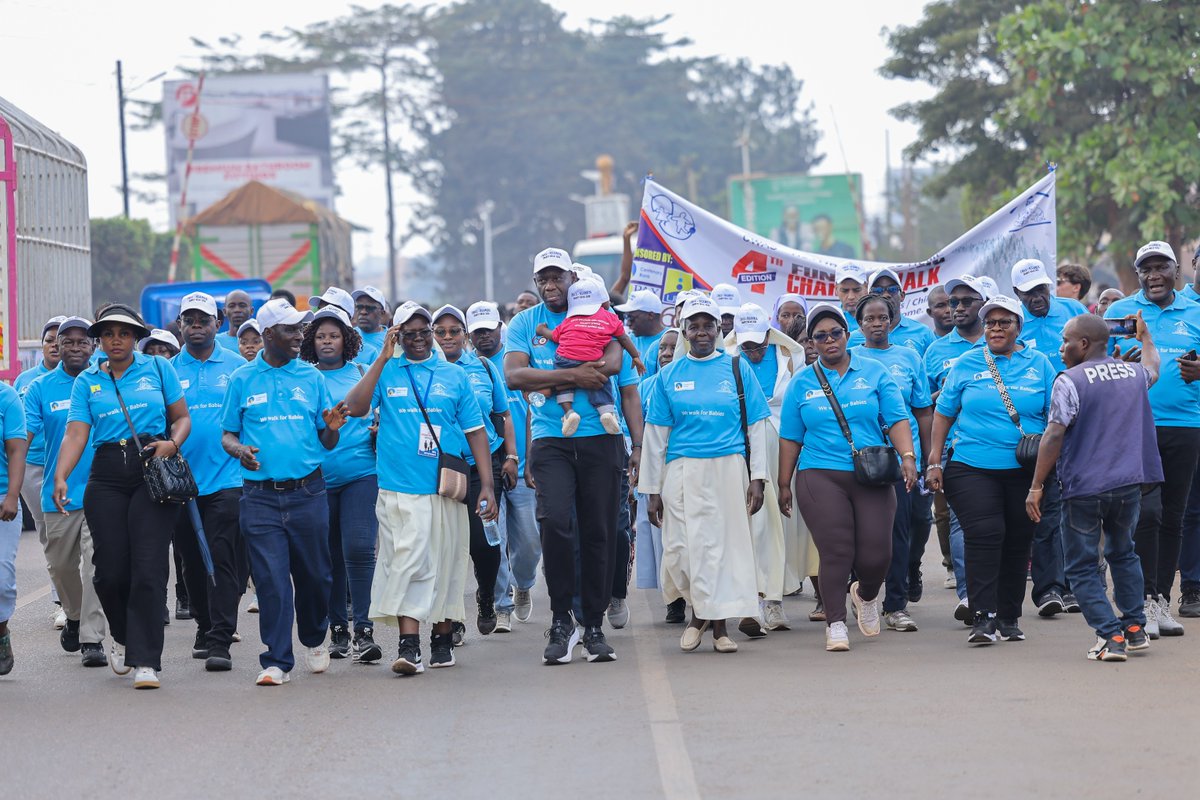
The Bank of Uganda (BoU) has reaffirmed its commitment to supporting vulnerable children and strengthening communities after participating in the 2026 Nsambya Babies Home Charity Walk, where it contributed UGX10 million towards the fundraising initiative.
The annual charity walk was led by Bank of Uganda Governor Dr. Michael Atingi-Ego, who served as the Chief Walker, alongside staff and other well-wishers who joined efforts to raise resources for children under the care of Nsambya Babies Home.
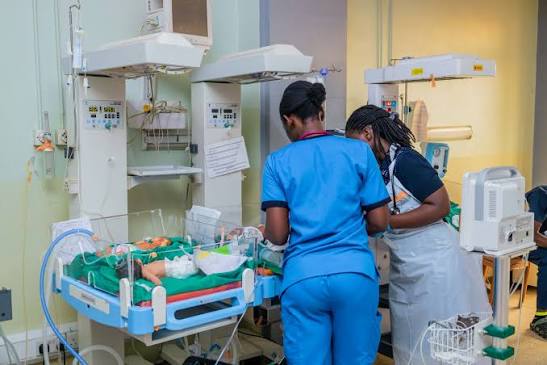
The funds raised will support essential services including medical care, nutrition, rehabilitation, family tracing and reunification, foster care placement, adoption services, and follow-up support for children. Part of the proceeds will also be used to establish a sustainability fund aimed at ensuring the continued provision of quality care at the home.
BoU said its participation reflects the institution’s broader commitment to improving lives beyond its core mandate of maintaining price stability and promoting a resilient financial system.
“Economic growth is ultimately about improving people’s lives. While price stability and a resilient financial system are essential, they are a means to a greater end: building a society where every Ugandan has the opportunity to thrive,” the institution said.
The central bank emphasized that investing in children’s health, protection, and development is an investment in Uganda’s future, noting that the children supported today will grow into tomorrow’s entrepreneurs, innovators, professionals, leaders, and parparents
The Nsambya Babies Home Charity Walk is an annual initiative that mobilizes support for vulnerable children by providing resources needed to enhance their welfare, protection, and long-term development.