MPs question digital number plate deal over costs and revenue sharing
Members of Parliament have questioned the cost, revenue-sharing model, and legality of Uganda’s digital number plate project, with calls for an audit and suspension of fee collections.
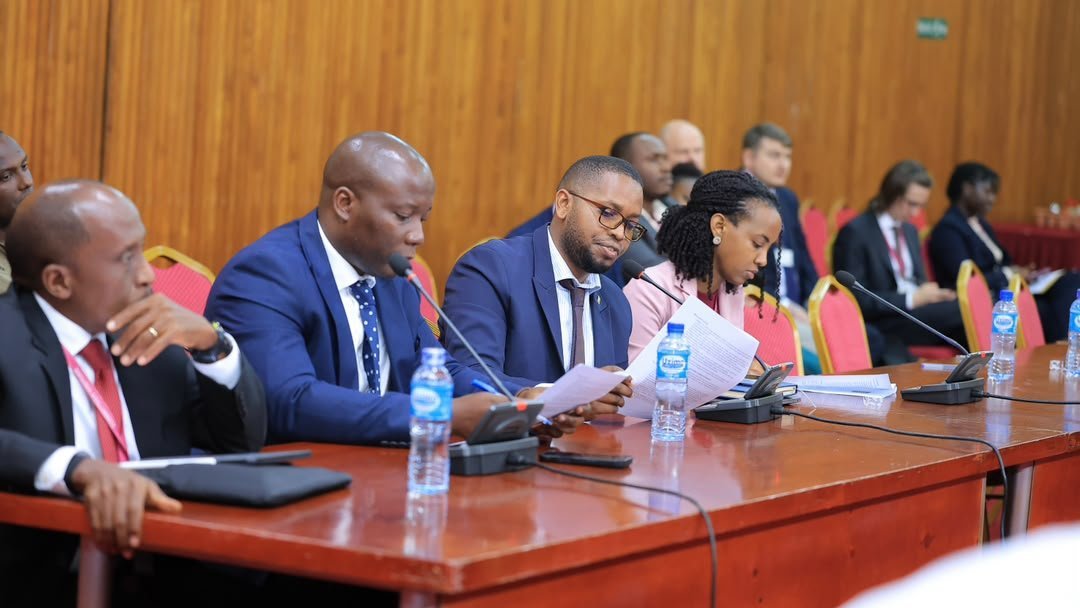
Members of Parliament have questioned the cost, revenue-sharing model, and legality of Uganda’s digital number plate project, with calls for an audit and suspension of fee collections.
During a meeting of Parliament’s Physical Infrastructure Committee, Ajuri County MP Fred Jalameso challenged a financial model that allocates 80 per cent of traffic fines to the number-plate contractor, leaving 15 per cent for Government and 5 per cent for the National Enterprise Corporation.
Jalameso projected that the arrangement could generate about Shs15 trillion in fines over ten years, with approximately Shs12 trillion going to the contractor. He demanded the legal basis for the allocation.
Soroti City East MP Moses Attan also questioned the project’s cost, citing a feasibility study that valued it at US$123 million compared with about US$257 million in the financial model, a difference of US$134 million.
Works Ministry official Winston Katushabe acknowledged that the financial model needed review and said the level of investment would be audited.
Meanwhile, the Uganda Law Society called for a special audit of funds collected by Joint Stock Company Global Security and Virtus Global Security. It questioned an unexplained Shs90,300 component per number plate and urged refunds for motorists who paid for services they did not receive.
Society also asked Parliament to recommend an immediate suspension of fee collections, arguing that the agreement signed on 23 July 2021 breached the Public-Private Partnerships Act. Advocate Roger Mugabi urged MPs to adopt the Attorney General’s position that the agreement was void for non-compliance with the law.
Katushabe told the committee that the contract had already been signed before the Works Ministry became involved. He said the project was procured as a classified security arrangement under the Office of the President, with his ministry focusing on ensuring the plates met international standards.
However, Kapelebyong Woman MP Jacinta Atuto argued that the ministry’s technical team should have specified and cost components such as chips, trackers, and batteries before the overall project price was agreed.
The committee’s deliberations come amid growing scrutiny of the project’s financial arrangements, procurement process, and compliance with the law.