MTN Mobile Money targets Uganda’s industrial parks in cashless economy drive
For industrial parks, wider use of cashless systems could improve payment efficiency, transaction records and accountability, while giving businesses access to a more integrated digital financial environment.
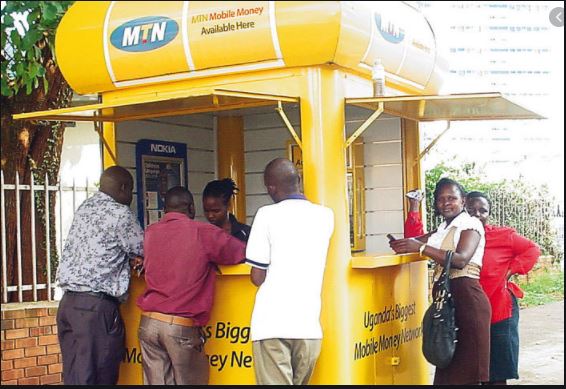
MTN Mobile Money is seeking to expand digital financial services into Uganda’s industrial parks, targeting manufacturers, traders, farmers and other businesses with cashless payment systems and merchant financing solutions as the country accelerates its industrialisation agenda.
The proposed expansion is aimed at reducing reliance on physical cash, improving transaction security and making financial services more accessible to businesses operating in industrial parks and other productive sectors of the economy.
The initiative could also extend digital financial services beyond conventional mobile money transactions into business payments, merchant lending and financial management solutions for enterprises involved in agro-industrialisation, mineral extraction and artisanal activities.
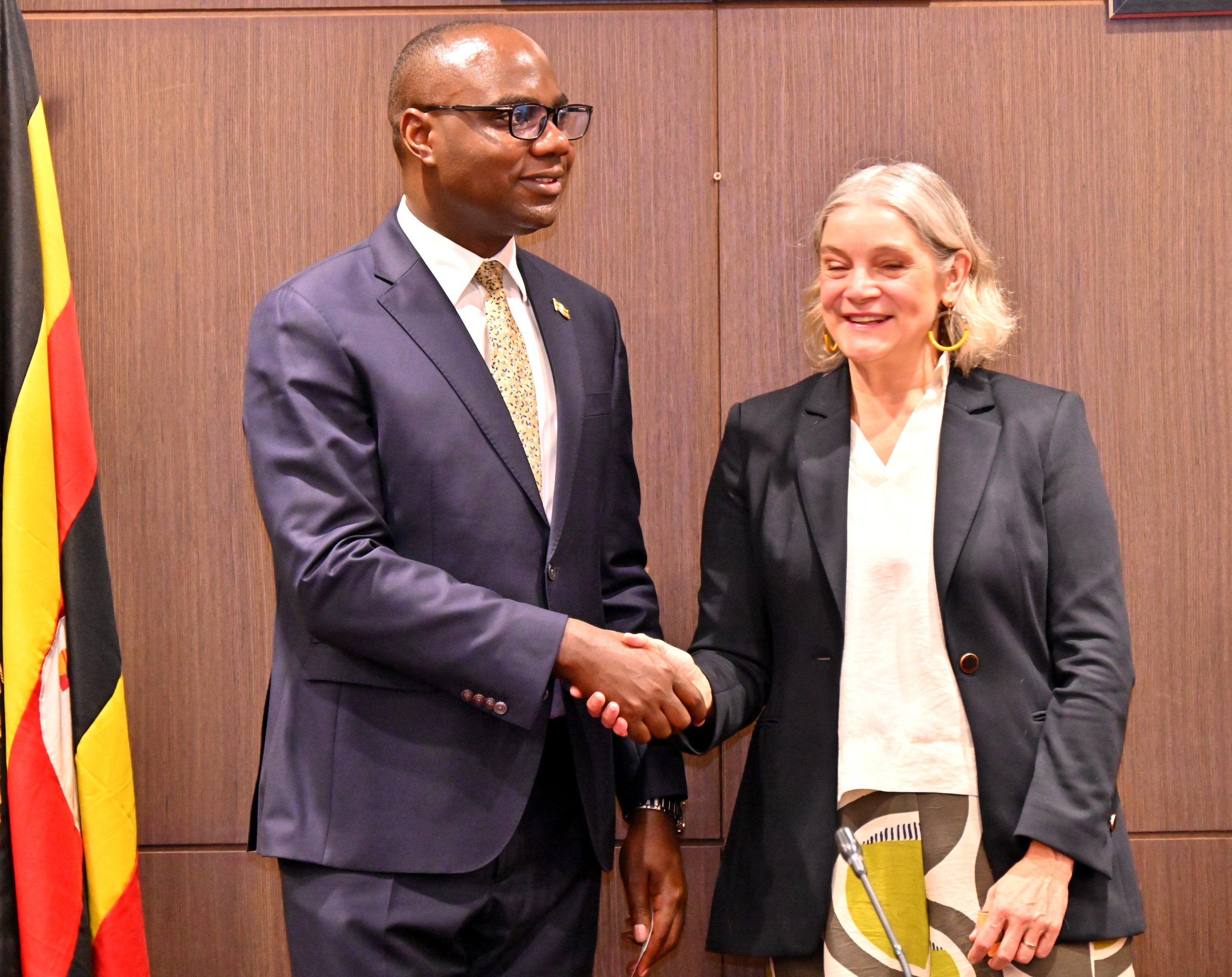
The plans were discussed during a meeting between the State Minister for Privatisation and Investment, Aminah Mukalazi, and a delegation from MTN Mobile Money led by its General Manager, Phrase Lubega.
During the engagement, Keith Tukei, MTN Mobile Money’s General Manager for Regional Operations, said the company was willing to support the digitisation of industrial parks through technology-driven financial solutions.
He cited the company’s existing partnership with Kiira Motors Corporation, where MTN Mobile Money provides cashless payment services for electric buses, as an example of how digital financial solutions can support Uganda’s industrial and transport sectors.
MTN is interested in extending similar arrangements to industrial parks and other investment areas, including agro-processing, mineral extraction and artisan enterprises.
Taking cashless payments to industrial parks
Justine Icabala Ziruba, MTN Mobile Money’s Enterprise Segment Manager, said the company had already visited several industrial parks to engage businesses and promote the adoption of cashless transactions.
Under the proposed intervention, MTN Mobile Money intends to provide businesses with digital devices and SIM cards at affordable rates, with payment spread across manageable instalments.
The devices would come with cashless applications pre-installed, allowing businesses to adopt digital payment systems without having to make significant upfront investments in the required technology.
The approach is expected to improve transaction security by reducing the amount of physical cash handled by businesses and their customers.
MTN also highlighted its range of enterprise payment solutions, including bulk payment services that operate across mobile money networks.
The company further pointed to free withdrawal charges for transactions of Shs300,000 and below as one of the features supporting the accessibility of its mobile money services.
Mukalazi welcomed the proposed collaboration, commending MTN Mobile Money for the public confidence it has built through its digital financial services.
She recognised the company’s partnership with Kiira Motors in facilitating cashless payments for electric buses, as well as initiatives such as Code Yo and Mali Yo targeting boda boda riders.
The minister encouraged MTN to extend similar digital payment solutions to taxi operators and other players in the transport industry, arguing that wider adoption could improve payment convenience and financial inclusion.
She, however, highlighted the need to build greater trust in digital financial services, particularly among farmers, market vendors and businesses operating in informal markets.
In response, the MTN delegation said it was already engaging these groups to understand their operational challenges and develop financial solutions suited to their needs.
Mukalazi also encouraged the company to bring farmers’ cooperatives onto its digital platforms, noting that this could reduce delays in processing financial transactions and improve access to financial services for agricultural communities.
She further welcomed the provision for reversing erroneous mobile money transactions, describing such safeguards as important in strengthening customer confidence and encouraging wider adoption of digital payments.
Beyond mobile money transactions
The proposed collaboration reflects a broader opportunity for mobile money operators to become part of Uganda’s industrialisation and enterprise development ecosystem.
By extending digital payments into industrial parks, agricultural cooperatives, transport operations and small businesses, MTN Mobile Money could help formalise business transactions while creating opportunities for enterprises to access digital financial products.
Merchant lending, in particular, could provide an additional financing channel for businesses seeking working capital to support daily operations and expansion.
For industrial parks, wider use of cashless systems could improve payment efficiency, transaction records and accountability, while giving businesses access to a more integrated digital financial environment.
However, successful adoption will depend on affordability, reliable connectivity, customer education and confidence in the security and reliability of digital transactions.
The engagement signals growing interest in using mobile financial technology not merely as a channel for transferring money, but as infrastructure supporting production, trade, investment and enterprise growth across Uganda.