Uganda sharpens focus on data-driven development with three new UBOS frameworks
The Uganda Bureau of Statistics (UBOS) has unveiled three strategic documents aimed at strengthening the country’s National Statistical System (NSS) and improving the production and use of official statistics through 2029/30.
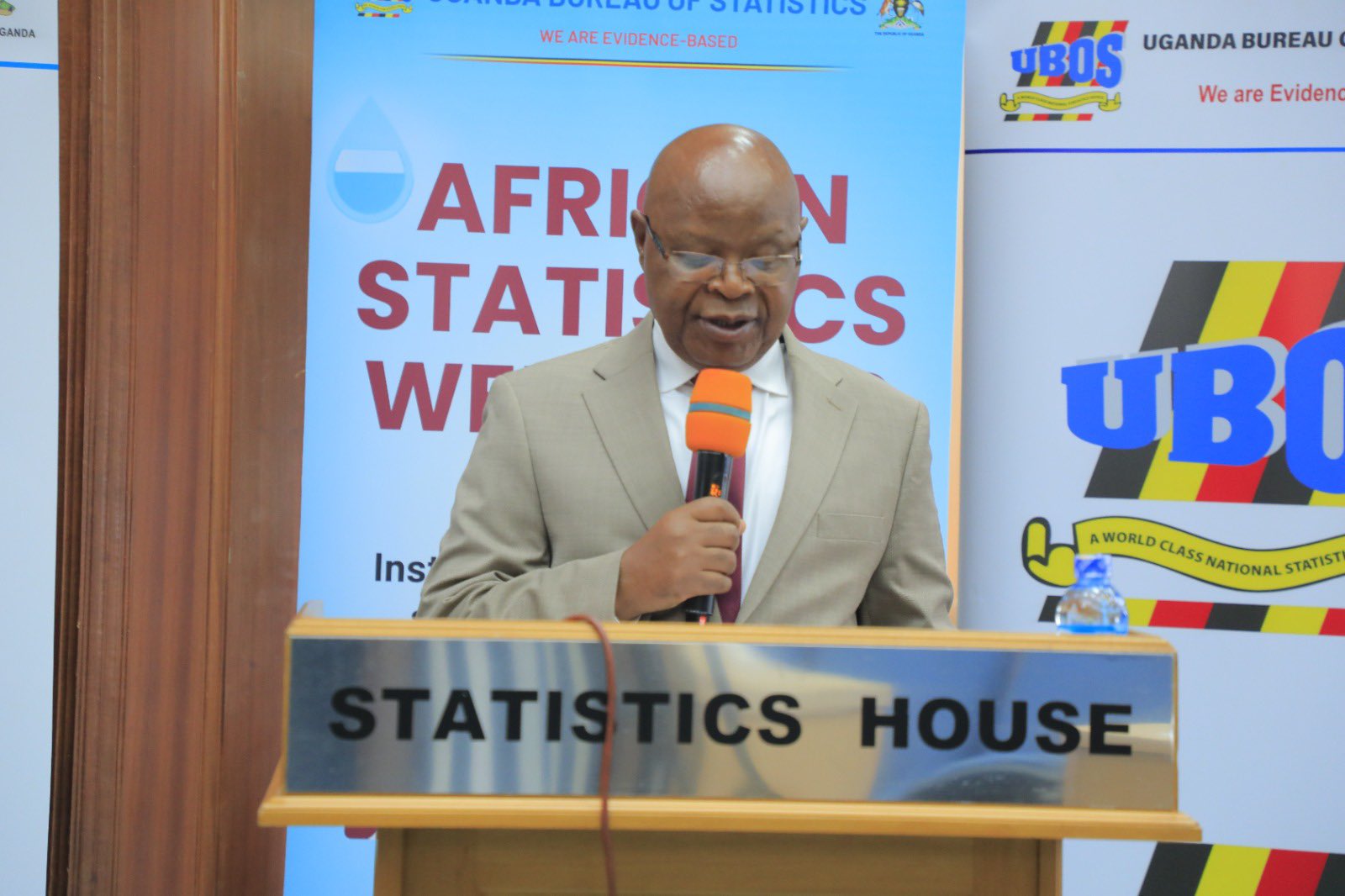
The Uganda Bureau of Statistics (UBOS) has unveiled three strategic documents aimed at strengthening the country’s National Statistical System (NSS) and improving the production and use of official statistics through 2029/30.
The documents, launched last Friday at Statistics House in Kampala as part of Africa Statistics Week 2026, include the Fourth Plan for National Statistical Development (PNSD IV), UBOS Strategic Plan IV and the UBOS Service Delivery Standards.
The documents, aligned with Uganda’s Fourth National Development Plan (NDP IV), will guide statistical operations during the 2025/26–2029/30 planning period, with a focus on modern infrastructure, innovation and technical capacity to deliver timely and quality data.
Speaking on behalf of the UBOS Board Chairman, Dr Albert Byamugisha, Executive Director, and Chief Statistician Dr Chris N. Mukiza emphasised that reliable statistics are a strategic national asset for planning, resource allocation, and evaluating government programmes.
He highlighted the importance of digital technologies, geospatial analytics, and automated systems in improving data production and dissemination while urging stakeholders to rely on official statistics and hold UBOS accountable for its service commitments.
The Chief Guest, Minister of State for Finance, Planning and Economic Development (Planning), Hon. Amos Lugoloobi commended UBOS for its progress in producing and sharing quality statistics and coordinating the National Statistical System.
Lugoloobi urged ministries, departments, agencies, and local governments to establish functional statistics units and integrate data into budgeting, policymaking, and monitoring progress under Uganda’s Tenfold Growth Strategy.
He also called for greater use of administrative data from government institutions, civil society, and the private sector, alongside modern technologies such as artificial intelligence and big data analytics to strengthen statistical production and governance.
He further challenged UBOS to honour its commitments under the Service Delivery Standards by ensuring timely and quality service delivery.