CNOOC replaces diesel with hydropower at kingfisher, cuts emissions and fuel use
Beyond the transition to hydropower, CNOOC has introduced several environmental interventions at Kingfisher aimed at reducing emissions, improving resource efficiency and minimising waste.
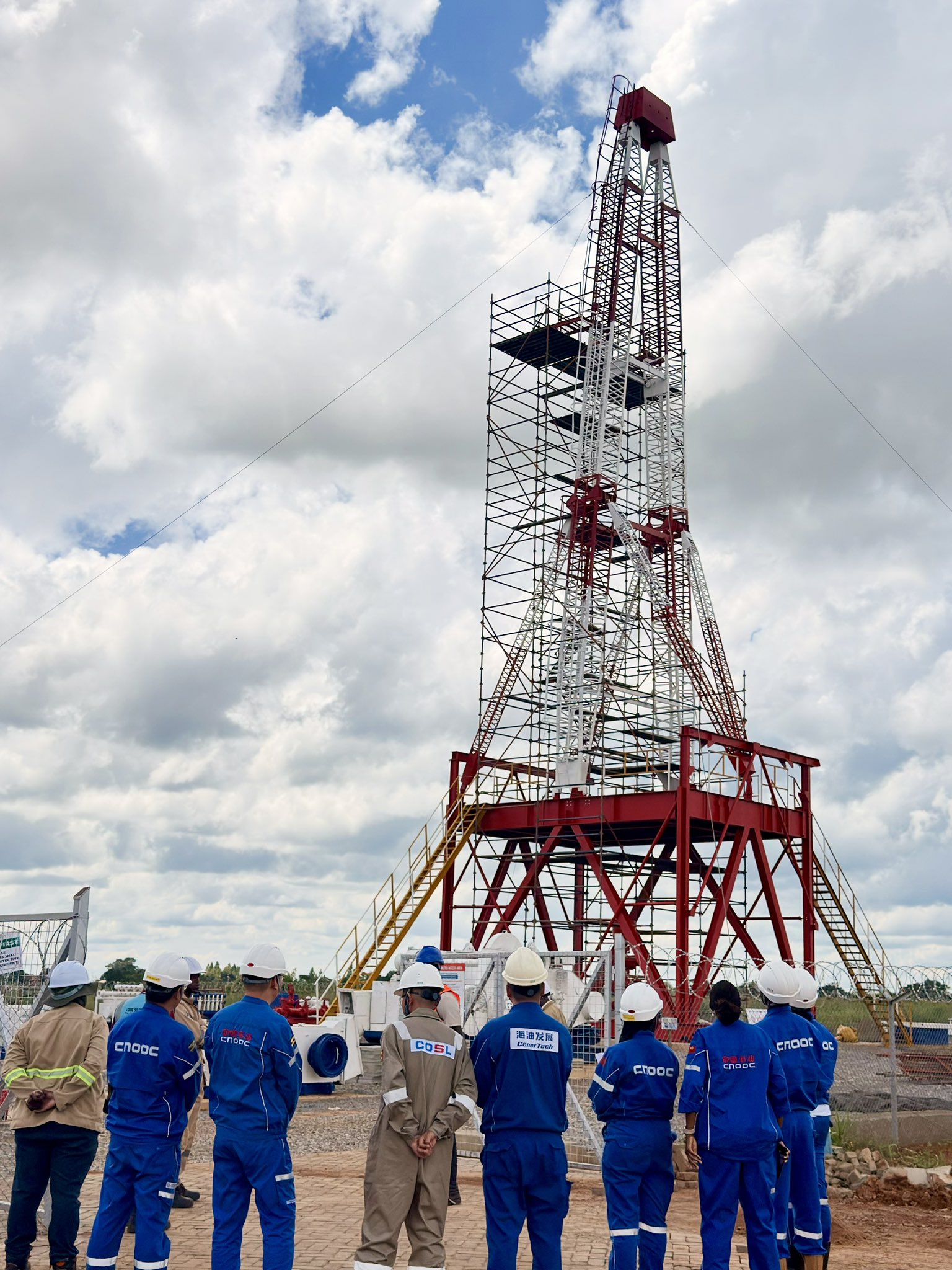
Uganda’s oil and gas development is beginning to demonstrate how cleaner energy technologies can reduce the environmental footprint of petroleum operations, with CNOOC Uganda Limited reporting significant fuel savings following its transition from diesel-powered electricity generation to hydropower at the Kingfisher Development Area.
The transition has eliminated the consumption of more than 1,400 litres of diesel daily, reducing greenhouse gas emissions, fuel-related waste and operational costs while improving access to more reliable electricity for neighbouring communities.
The development highlights the growing role of cleaner energy technologies in Uganda’s petroleum industry, where operators are under increasing pressure to balance commercial production with environmental protection and sustainable development.
Speaking at the 4th Annual Civil Society Conference on Uganda’s Oil and Gas Sector at Mestil Hotel in Kampala, CNOOC Uganda Limited Acting President Hu Weijie said environmental conservation, cleaner energy adoption and community development were central to responsible petroleum operations.
Hu said the Kingfisher Project, operated by CNOOC in partnership with TotalEnergies Uganda and the Uganda National Oil Company (UNOC), demonstrated that industrial development could be pursued alongside environmental protection, particularly in ecologically sensitive areas such as the Albertine Graben.
He noted that the hydropower transition was among several interventions aimed at reducing the project’s environmental footprint while improving operational efficiency.
Importantly, the benefits have extended beyond petroleum operations to neighbouring communities, including the Buhuka Water Supply Scheme, which has gained access to cleaner and more reliable electricity.
Cleaner technologies reshape oil operations
Beyond the transition to hydropower, CNOOC has introduced several environmental interventions at Kingfisher aimed at reducing emissions, improving resource efficiency and minimising waste.
These include LPG recovery and power generation, environmental restoration, tree-planting programmes and improved waste management systems.
The company has also introduced food waste recycling at workers’ camps and deployed advanced technologies, including the LR8001 Modified Rig, as part of efforts to improve operational efficiency and environmental performance.
Hu said the interventions demonstrated that environmental responsibility and operational efficiency were not competing objectives, but could reinforce each other through innovation and investment in cleaner technologies.
For Uganda, the experience is particularly significant as the country moves towards commercial oil production, with sustainability increasingly becoming an important measure of the sector’s long-term value.
The challenge is ensuring that environmental safeguards are integrated throughout the petroleum value chain, from exploration and development to production and eventual decommissioning.
Beyond environmental protection
Hu said responsible petroleum development must also deliver measurable socio-economic benefits to Ugandans, particularly communities hosting oil and gas infrastructure.
He highlighted local content initiatives as an important channel through which the Kingfisher Project is creating employment opportunities and strengthening the participation of Ugandan businesses in the petroleum value chain.
The company has also invested in education, skills development, road safety, community health and continuous stakeholder engagement.
These interventions, he said, were intended to improve community well-being, strengthen relationships with host communities and ensure that petroleum development contributes to broader national development.
He identified three major lessons from the Kingfisher experience: integrating sustainability into every stage of project planning and implementation, maintaining meaningful engagement with stakeholders, and building strong partnerships between government, industry, communities, civil society and development partners.
However, he acknowledged that challenges remain, particularly in balancing industrial expansion with environmental conservation, managing community expectations, strengthening local capacity, safeguarding human rights and ensuring equitable distribution of petroleum sector benefits.
Building a legacy beyond oil
Looking ahead, Hu called for increased investment in Ugandan businesses, workforce development, women and youth empowerment, sustainable livelihoods and cleaner energy solutions.
He argued that the value of Uganda’s petroleum industry should not be determined solely by production volumes or revenues, but also by the strength of institutions, resilience of communities, environmental protection and the legacy left for future generations.
His remarks come as Uganda prepares for the next phase of its petroleum industry, with the Tilenga and Kingfisher developments and the East African Crude Oil Pipeline (EACOP) forming the backbone of the country’s emerging oil production infrastructure.
The 4th Annual Civil Society Conference brought together government officials, petroleum companies, civil society organisations and development partners to assess progress, share lessons and examine the future of sustainability in Uganda’s oil and gas sector.
The discussions underscored a central question for the country’s petroleum industry: how to convert its oil and gas resources into economic opportunities without compromising environmental integrity and the interests of future generations.