Buliisa women turn household waste into briquettes to reduce dangerous journeys in search of firewood
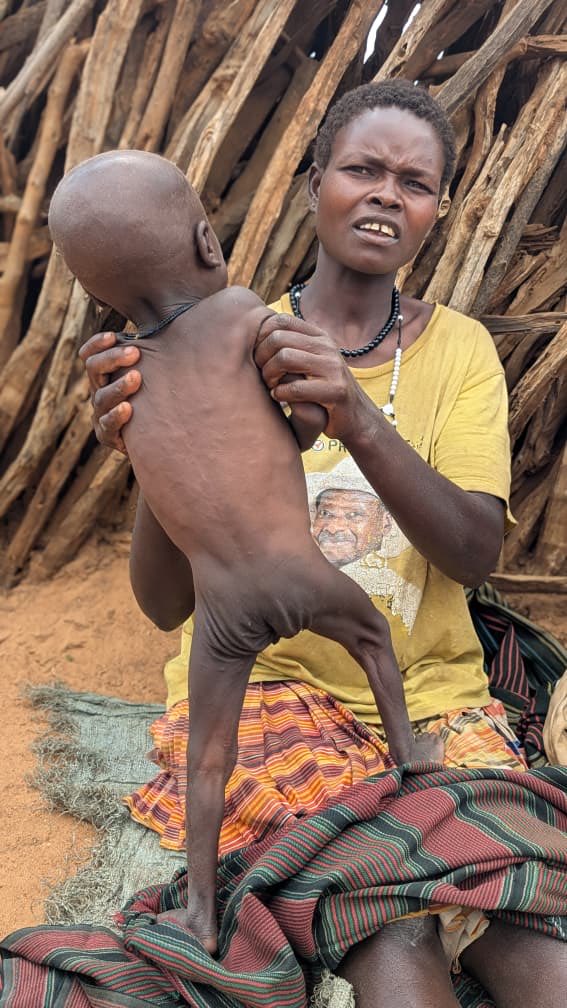
As firewood becomes harder to find close to their homes, women say they are forced to walk longer distances to collect it.
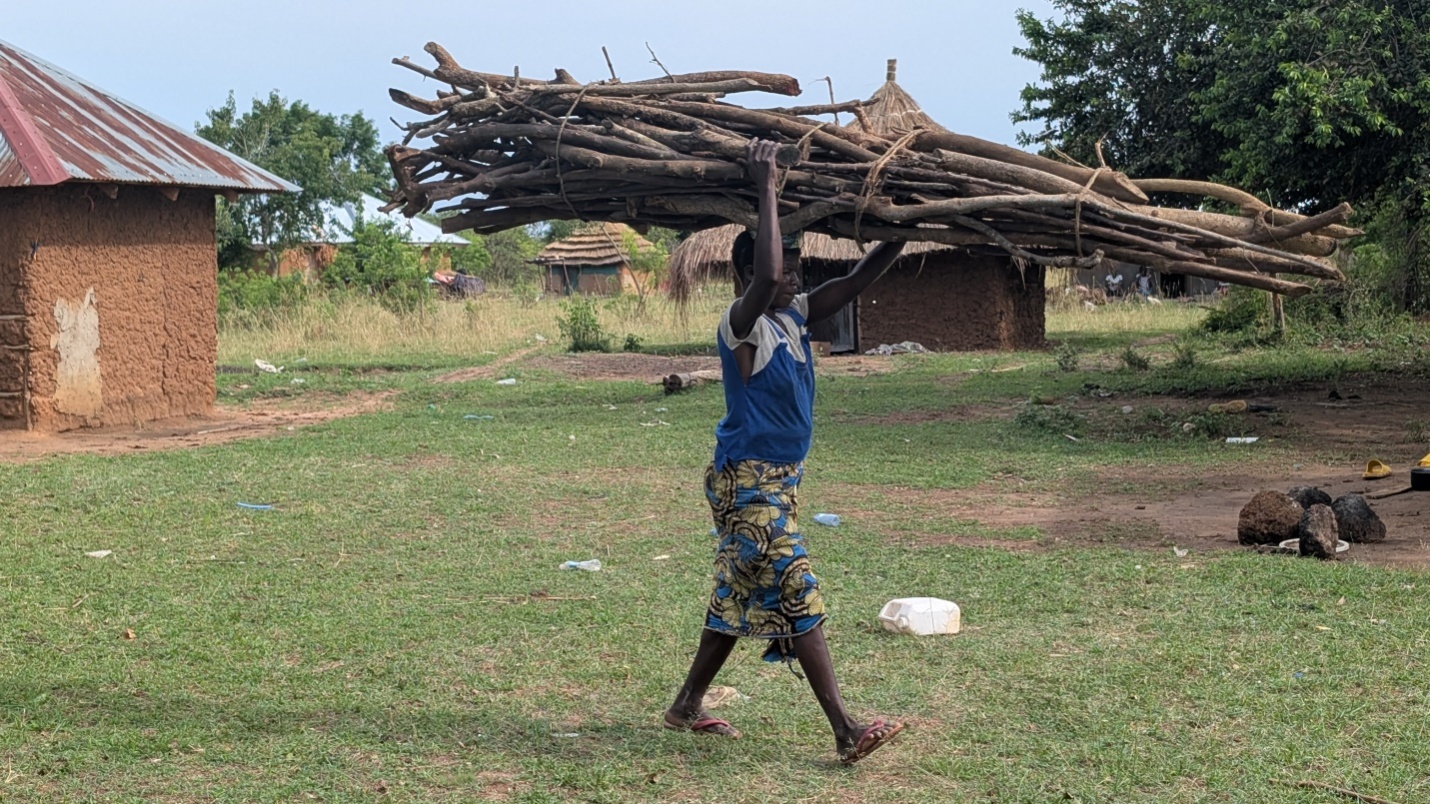
In June 2023, Janet Bero Pamungu, left her home in Waiga village with two of her children to collect firewood from the nearby bush. The 42 year old mother of seven did not return alive. Pamungu was attacked and killed by a stray elephant while searching for firewood needed for cooking, according to the report by The Cooperator.
For many families in Buliisa, collecting firewood is part of everyday life. But in villages bordering Murchison Falls National Park and Bugungu Wildlife Researve, that responsibility can bring women into areas frequented by elephants and other wildlife.

As firewood becomes harder to find close to their homes, women say they are forced to walk longer distances to collect it.
Pamungu’s death is not an isolated incident. The Uganda Wildlife Authority says its available records show that three people were killed in elephant attacks during the first quarter of 2025.
Media reports have separately documented elephant attacks involving people collecting firewood, tending to gardens, grazing animals, and walking through affected communities.
On February 9, 2025, 51-year-old Eunice Kyabadiri Nyajangi Kutegeka of Kigoya Village in Buliisa Sub-county was killed by an elephant while collecting firewood near her home. Her four-year-old son, who had accompanied her, was seriously injured.
Kutegeka’s death further illustrates the risks faced by residents who venture into wildlife-inhabited areas in search of firewood and other necessities. According to Daily Monitor, local leaders say at least 18 people have been killed by elephants and buffaloes in Buliisa District since 2022, while others have sustained injuries.

Spending a Whole Day Searching for Firewood
Buliisa is in Uganda’s Albertine region, a landscape where wildlife habitats, farming communities, and major oil and gas developments exist side by side. As the population grows, communities face increasing pressure on land and natural resources, while demand for firewood, farmland, and food continues to rise.
For women such as Olive Akumu, this growing pressure is making the search for firewood increasingly difficult and time-consuming. “We no longer have enough firewood in the area. One can spend almost the whole day travelling about 10–12 km looking for firewood,” says Akumu, a resident of Waiga Village in Buliisa Sub-county.
The scarcity of firewood also means families are having to find alternative sources of fuel. When the firewood they collect runs out, Akumu says some families cut cassava stems from their gardens and use them for cooking.
VIDEO: https://youtube.com/shorts/t837QNntNiw?si=lIEtMr7XQPDV3n_z
Women in the area say the time spent searching for firewood could otherwise be used for farming, productive work, caring for children, and completing other household responsibilities.
At the same time, growing demand for firewood has turned the risky activity into a source of income for some women, who collect and sell it to other households.
“Some women collect firewood for sale. I buy a bundle for between 10,000 and 15,000 Ugandan shillings, and I need about three bundles of firewood to take me through the week,” says Judith Berwoiroth, a resident of Ngwedo Sub-county in Buliisa District.
For Berwoiroth’s household, this means spending between 30,000 and 45,000 Ugandan shillings a week on firewood, highlighting the financial burden families face in meeting their cooking energy needs.
For those who collect firewood themselves, travelling farther from home also increases their chances of encountering wildlife. Akumu says the risks become even greater when women venture deeper into protected areas.
“When we go deeper into protected areas, we risk being attacked by wildlife or even unscrupulous people. And at that point, even making noise cannot save you,” she says.
From Agricultural Waste to Cooking Fuel
In response to these challenges, the Buliisa Grassroots Women Association (BUGWA) is training women to make charcoal briquettes from locally available agricultural residues and household waste.
The women dry materials such as cassava peelings before carbonizing and crushing them. They then mix the processed material with charcoal dust and soil, adding a binder made from cassava flour porridge. The mixture is molded and dried to produce briquettes that can be used for cooking.
The initiative turns materials that would otherwise be discarded, such as cassava peelings and charcoal dust, into an alternative source of household fuel, while reducing dependence on firewood.

BUGWA Executive Director Harriet Kugonza says the training is intended to reduce the frequency with which women enter areas where they could encounter elephants while collecting firewood.
“So far, we have trained more than 50 women in making charcoal briquettes and energy-saving stoves. Some of the women are already using them at home. This helps protect women from wildlife attacks while also reducing other risks associated with collecting firewood, such as gender-based violence,” she says.

Women who have benefited from the initiative say the briquettes burn for longer and require less attention than firewood. This allows them to spend less time tending to the fire, giving them more time to rest, care for their families, and engage in other productive activities while food is cooking.

“I do not have to stay by the fire constantly adding fuel. This gives me time to rest or attend to other work while the food is cooking,” says Emily Fwacan, one of the beneficiaries.
Growing Demand for Briquette Training
As more households learn about the benefits of briquettes, demand for training is growing. BUGWA has used radio programmes to raise awareness about how briquettes are made and how households can benefit from using them.

Kugonza says the radio programmes generated calls from community members interested in learning how to produce the fuel.
“We received many calls from people requesting training. The demand is high in Buliisa and neighbouring districts, but our resources are limited,” says Kugonza.
The association plans to acquire briquette-making equipment, train more women, and help them turn briquette production into small businesses.
However, briquettes alone cannot end human-wildlife conflict in Buliisa. Communities also need effective barriers around protected areas, timely responses when animals enter villages, and accessible mechanisms through which affected residents can seek compensation for deaths, injuries, crop losses, and property damage.
UWA Steps Up Efforts to Curb Human-Wildlife Conflict
UWA reports that approximately 141 kilometres of electric fencing have been completed around the Murchison Falls Conservation Area. This includes 40 kilometres in Buliisa, 76 kilometres in Nwoya, 15 kilometres in Oyam, and five kilometres each in Masindi and Kiryandongo.
A further five-kilometre section is under construction in Purongo and Anaka sub-counties in Nwoya District. However, about 258 kilometres, representing 65 percent of the required fencing, remain unfinished, including sections around Bugungu and Karuma.
According to UWA Communications Officer Bashir Hangi, the overall fencing programme is about 35 percent complete.

He says electric fencing has proved to be one of the most effective measures for reducing human-wildlife conflict, but it cannot work alone. Other interventions include digging trenches, promoting beekeeping along park boundaries, carrying out scare shooting, cultivating crops that wildlife generally avoids, and recruiting, training and equipping community wildlife scouts.
Because elephants are highly adaptable, UWA says a combination of measures is needed to sustainably reduce human-elephant conflict.
Women’s efforts to produce alternative cooking fuel can complement these measures by addressing one of the reasons women enter wildlife-prone areas, the search for firewood.
For women such as Akumu, briquettes do not eliminate every threat facing communities near protected areas, but they can reduce the frequency with which women make long journeys in search of firewood.
In a district where the search for firewood has cost women their lives, even one fewer journey can make a difference. BUGWA’s initiative demonstrates the importance of supporting women to develop practical solutions based on their everyday experiences.
This story was produced by Harriet Kugonza and Akugizibwe Peter Araali, with support from Women’s Media Initiative for Sustainable Environment (WISE) and additional information obtained from published media reports.