
Ebola-Free Uganda: A public health milestone marking a new era in outbreak response and offering lessons for the world
The country had confirmed 20 cases, 15 imported from the Democratic Republic of Congo (DRC) and five locally acquired infections among healthcare workers. Eighteen patients recovered while two died.
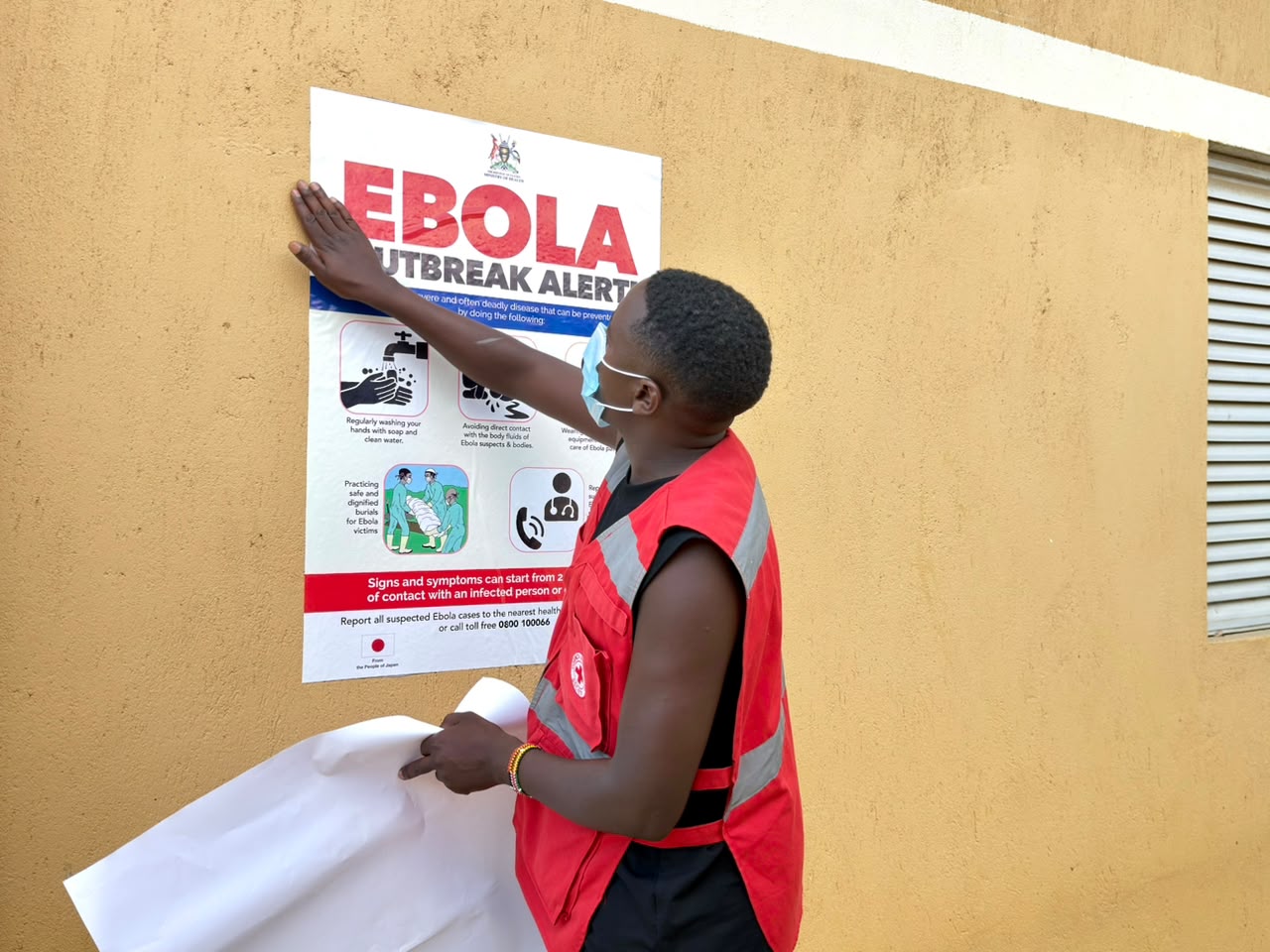
Uganda’s declaration that the country is officially Ebola-free closes another difficult chapter in its long history of battling one of the world’s deadliest diseases.
But unlike previous outbreaks, the end of the 2026 Ebola epidemic may also represent a turning point in how future outbreaks are investigated, contained and ultimately declared over.
The Ministry of Health announced on 28 July that Uganda had completed the mandatory 42-day monitoring period without recording a single new Ebola case, officially bringing the outbreak to an end.
The country had confirmed 20 cases, 15 imported from the Democratic Republic of Congo (DRC) and five locally acquired infections among healthcare workers. Eighteen patients recovered while two died.
Yet the significance of this declaration extends far beyond the statistics.
A different kind of Ebola outbreak
Unlike previous Ebola epidemics that originated within Uganda, the 2026 outbreak was epidemiologically unique.
Health authorities identified the exact source of infection, traced every transmission chain, quarantined every identified contact and documented every confirmed case. The outbreak began with imported infections from eastern DRC rather than unexplained community transmission.
This level of epidemiological certainty allowed scientists to reconstruct the entire outbreak almost in real time.
The Ministry argues that such comprehensive evidence raises important questions about whether the long-standing global requirement of waiting 42 days after the last confirmed case should remain the sole criterion for declaring an outbreak over.
Rather than relying only on time, Uganda is suggesting that scientific evidence, including genomic sequencing, molecular diagnostics and digital surveillance, should increasingly guide public health decisions.
If accepted internationally, this could reshape how future outbreaks are managed worldwide.
Technology has transformed outbreak response
The Ebola outbreak demonstrated how modern science has revolutionised disease surveillance.
Rapid molecular testing enabled quicker diagnosis. Whole genome sequencing allowed researchers to confirm that the virus belonged to a distinct Bundibugyo Ebola virus variant while helping scientists understand how the outbreak emerged.
Digital surveillance systems strengthened contact tracing, while real-time incident management enabled health teams to monitor every identified contact until the risk period ended.
These technologies dramatically reduced uncertainty compared to outbreaks two decades ago, when investigators relied heavily on manual tracing and slower laboratory confirmation.
Today, Uganda possesses one of Africa’s strongest outbreak response systems, built through repeated experiences with Ebola, Marburg, COVID-19 and other emerging infectious diseases.
Years of investment paid off
Uganda’s success did not happen by chance.
Over the past two decades, government investments have strengthened surveillance systems, expanded laboratory capacity, trained rapid response teams and improved emergency coordination.
These investments enabled authorities to rapidly isolate patients, trace contacts, deploy laboratory services and establish treatment centres before widespread community transmission could occur.
Equally important was the contribution of frontline health workers who cared for infected patients despite personal risk, alongside community health workers who ensured public cooperation in surveillance and reporting.
Their combined efforts prevented what could have become a nationwide epidemic.
Cross-border cooperation is now essential
Despite declaring victory, Uganda cannot afford complacency.
The neighbouring DRC continues to battle Ebola, meaning Uganda remains vulnerable to fresh importations through one of East Africa’s busiest border regions.
Recognising this reality, Uganda and the DRC signed a Memorandum of Understanding establishing a joint cross-border Ebola response. Uganda has gone further by establishing two mobile laboratories and an 80-bed Ebola Treatment Unit inside the DRC at Aru and Kasenyi.
The strategy reflects an important shift in public health thinking: disease containment no longer stops at national borders.
Helping neighbouring countries control outbreaks has become one of the most effective ways of protecting Uganda itself.
Economic confidence restored
Declaring Uganda Ebola-free carries important economic implications.
During outbreaks, tourism often declines, trade slows, conferences are postponed and investor confidence weakens because of international health concerns.
The Ministry’s assurance that Uganda is safe for tourism, investment and business sends a strong message to international partners that normal economic activity can resume.
For sectors such as hospitality, aviation, transport and cross-border trade, the declaration provides much-needed reassurance after months of heightened health surveillance.
Vigilance remains the best defence
The end of the outbreak should not be mistaken for the end of the threat.
As long as Ebola continues circulating in neighbouring countries, Uganda remains at risk of future importations.
The Ministry’s continued emphasis on border surveillance, rapid response teams and community vigilance reflects a crucial lesson from previous epidemics: preparedness saves lives long before the first patient arrives.
Uganda’s victory over Ebola is therefore not merely a public health achievement; it is evidence that sustained investment in surveillance, science, regional cooperation and resilient health systems can stop deadly diseases before they become national catastrophes.
The country’s next challenge will be maintaining that readiness, because in infectious disease control, success is measured not only by defeating today’s outbreak but also by preventing tomorrow’s.