Former MP John Ssimbwa backs Balaam’s project inspections, calls for National Government Monitoring and Accountability Framework
In a policy commentary, Ssimbwa praised Minister Balaam for choosing to physically verify government projects rather than relying entirely on reports from implementing agencies, which he said can sometimes be inaccurate or manipulated.
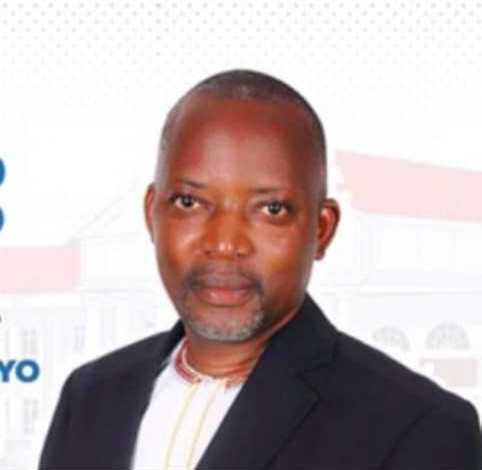
Former Makindye East Member of Parliament John Ssimbwa has backed State Minister for Youth and Children Affairs Balaam Barugahara’s ongoing on-site inspections of government projects, describing the initiative as a practical approach to fighting corruption and improving service delivery.
In a policy commentary, Ssimbwa praised Minister Balaam for choosing to physically verify government projects rather than relying entirely on reports from implementing agencies, which he said can sometimes be inaccurate or manipulated.
He urged the minister to remain focused despite criticism and strengthen the initiative with broader anti-corruption mechanisms.
Ssimbwa, who previously sponsored amendments to the Anti-Corruption Act introducing mandatory confiscation and forfeiture of property acquired through corruption, said corruption has become deeply rooted in some government systems and requires proactive monitoring.
He noted that corruption networks involving accounting officers, procurement officials, contractors, internal auditors and other actors often manipulate procurement processes, inflate project costs, hide poor-quality work and weaken accountability.
According to Ssimbwa, surprise inspections can help identify irregularities before projects are completed, preventing misuse of public funds and improving project outcomes.
He listed benefits of the inspections as deterring corruption, identifying implementation challenges early, improving adherence to timelines and quality standards, promoting value for money and restoring public confidence in government institutions.
Ssimbwa also emphasized the importance of involving communities, saying direct interaction with beneficiaries allows citizens to report delayed or substandard projects that may not appear in official records.
However, he cautioned that the initiative should not depend on one individual, proposing the creation of a National Government Monitoring and Accountability Framework to institutionalize project inspections.
The proposed framework, he said, should bring together technical experts, anti-corruption agencies, law enforcement bodies and sector ministries to improve coordination, investigations and enforcement.
Ssimbwa further called for a balanced role for local governments in monitoring projects, arguing that while some district officials may be part of corruption networks, local leaders remain important because they hold project records and are responsible for service delivery.
He proposed that independent monitoring teams should conduct inspections while requiring local leaders to provide documentation, explain implementation progress and participate in corrective measures.
The former legislator said cases involving suspected wrongdoing should be referred to relevant investigative and prosecutorial agencies.
He concluded that Balaam’s inspection model offers a results-oriented approach to government oversight by combining physical verification of projects with engagement of officials and communities, and that institutionalizing it could strengthen accountability and ensure public resources deliver quality services to Ugandans.