Harshad Barot at 65: The life of an entrepreneur whose resilience gave birth to Tirupati Group, a dynamic business empire transforming Uganda’s economy
What Barot has excelled at, he has passed on to his children, including Miraj Barot and his wife, Kruti Barot, as well as his daughter, Juhi Barot. Through deliberate mentorship and the transfer of knowledge and experience, the Barot family continues to contribute to Uganda’s economic transformation.
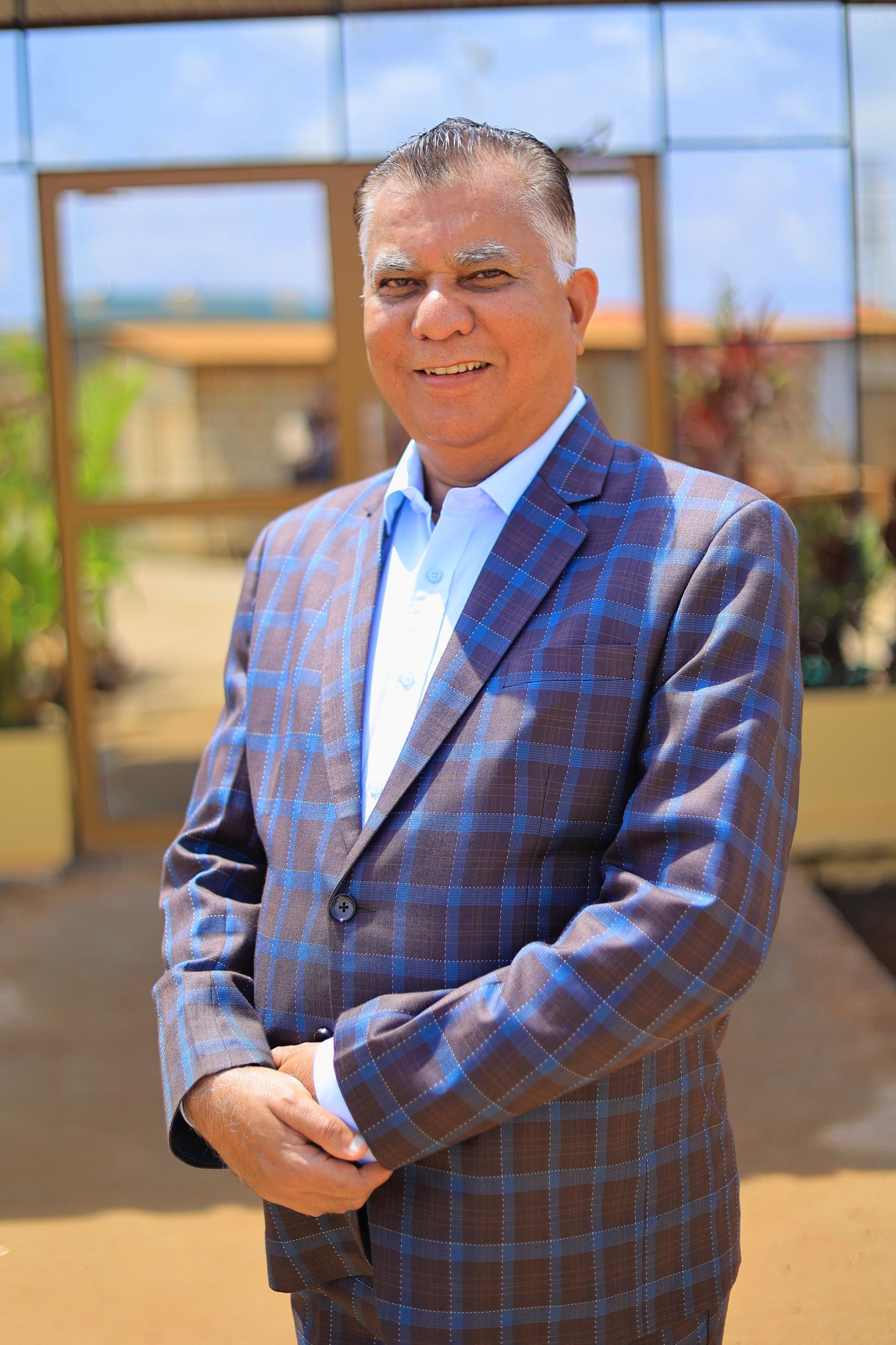
As Harshad Barot turns 65 today, September 17, his story offers a striking account of how modest beginnings, entrepreneurial discipline and long-term investment can grow into an enterprise with a significant footprint in Uganda’s economy.
The Chairman and founder of Tirupati Group arrived in Uganda in 1993 from his native India and began moving from door to another selling household items, learning the Ugandan market one customer and one transaction at a time.
More than three decades later, Barot has built a business empire spanning property development, construction, commercial real estate and infrastructure, with investments ranging from shopping malls and residential apartments to warehouses, business parks, housing estates and industrial developments.
His journey from a modest trader to one of Uganda’s prominent property developers was recognised nationally in January this year when President Yoweri Museveni conferred upon him the Distinguished Order of the Crested Crane (Grand Officer).
The honour was presented on January 26, 2026, during the 40th NRM/A Liberation Day celebrations at Kololo Ceremonial Grounds.
Those early experiences would later become important to his approach to entrepreneurship.
Rather than seeing property merely as an investment vehicle, Barot increasingly viewed buildings and commercial spaces as platforms through which other entrepreneurs could operate, create employment and participate in the economy.
By 2006, he had begun focusing more deliberately on affordable commercial and residential infrastructure, particularly facilities that could accommodate small and medium enterprises.
The growth of Tirupati Group has been closely associated with Uganda’s expanding urban economy.
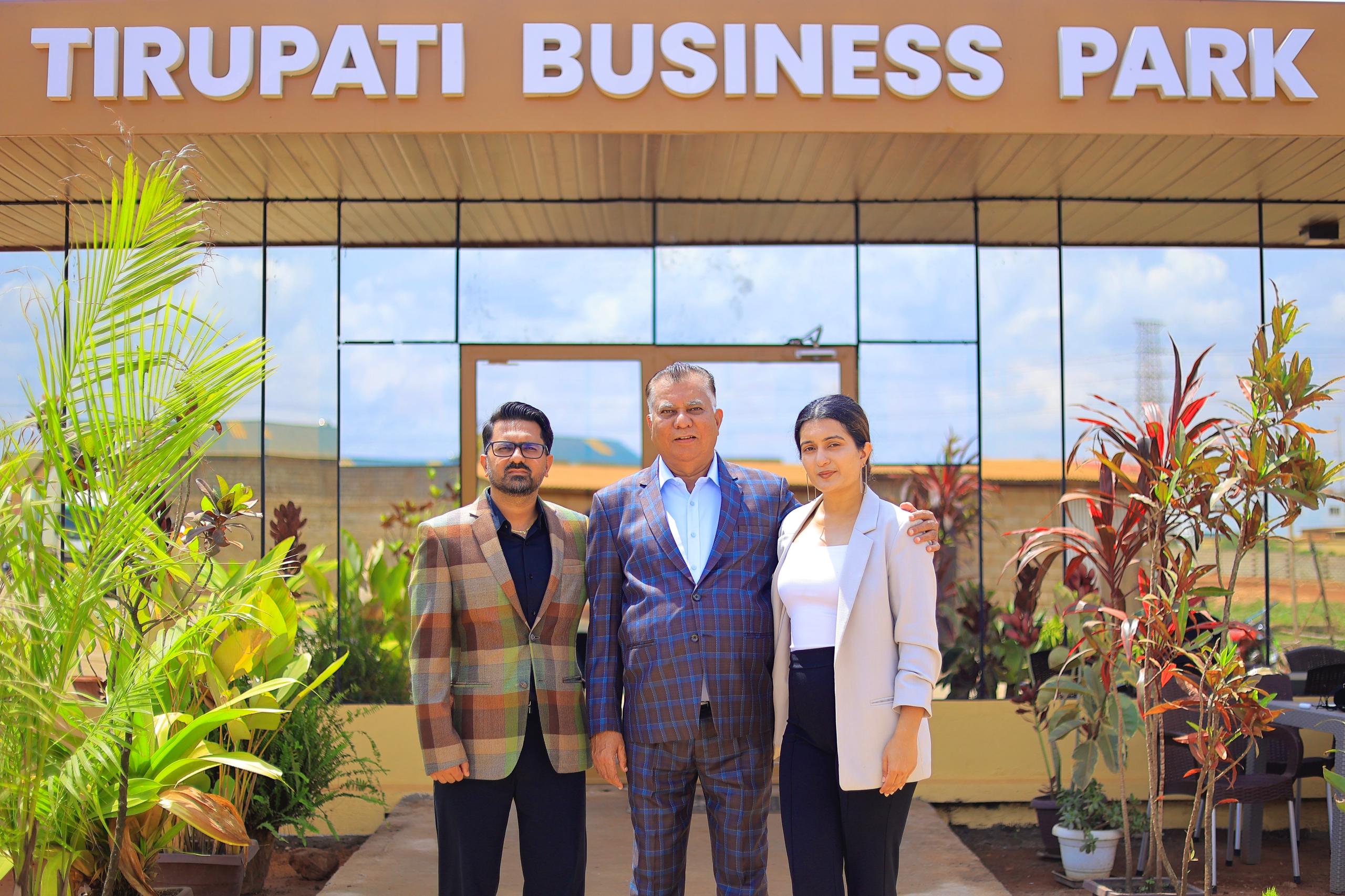
The group’s portfolio includes shopping malls, apartments, housing estates, warehouses and business parks. One of the developments frequently highlighted in connection with Barot’s SME-focused approach is Kyebando Business Park, along the Northern Bypass, which reportedly accommodates more than 200 SMEs and supports more than 2,500 jobs.
Another landmark development was Tirupati Ovino Mall in Kisenyi. The development, completed during Tirupati’s early expansion, brought hundreds of commercial spaces into an area that had previously faced significant challenges associated with informal trading and limited organised commercial infrastructure.
This model, developing commercial property while creating space for other businesses, has enabled Tirupati’s investments to have an economic effect beyond the buildings themselves.
Every occupied shop, office, warehouse or business unit represents an opportunity for an entrepreneur to trade, employ workers and provide goods and services.
Barot’s influence on Uganda’s economy can therefore be viewed not only through the value of his property investments, but also through the businesses that operate within them.
SMEs are a major part of Uganda’s commercial landscape. By developing organised and relatively accessible commercial spaces, Tirupati has provided physical infrastructure from which entrepreneurs can conduct business.
A shopping centre creates direct employment in construction, management, security, cleaning and maintenance. It also creates indirect employment among retailers, restaurants, service providers, transport operators and suppliers.
Similarly, residential developments generate demand across the construction value chain, from architects, engineers and contractors to artisans, suppliers and service providers.
At 65, Barot’s business legacy is increasingly measured not only by the properties associated with his name, but by the economic activity taking place around them.
His story demonstrates how capital, when combined with entrepreneurial vision and reinvestment, can grow from a small trading venture into a major investment portfolio.
It is also a story about the relationship between an investor and the economy in which he operates.
What Barot has excelled at, he has passed on to his children, including Miraj Barot and his wife, Kruti Barot, as well as his daughter, Juhi Barot. Through deliberate mentorship and the transfer of knowledge and experience, the Barot family continues to contribute to Uganda’s economic transformation.