Jinja City Woman MP advocates for clean water in schools at commemoration of Day of African Child
Lwansasula further observed that despite Jinja’s urban status, several communities remain underserved, citing island areas such as Kisama in Masese as illustrative examples.
By Joseph Sooka
The Jinja City Woman Member of Parliament and National Unity Platform legislator, Sarah Lwansasula, has called for the provision of clean water sources in schools as a measure to curb waterborne diseases and stem school dropouts.
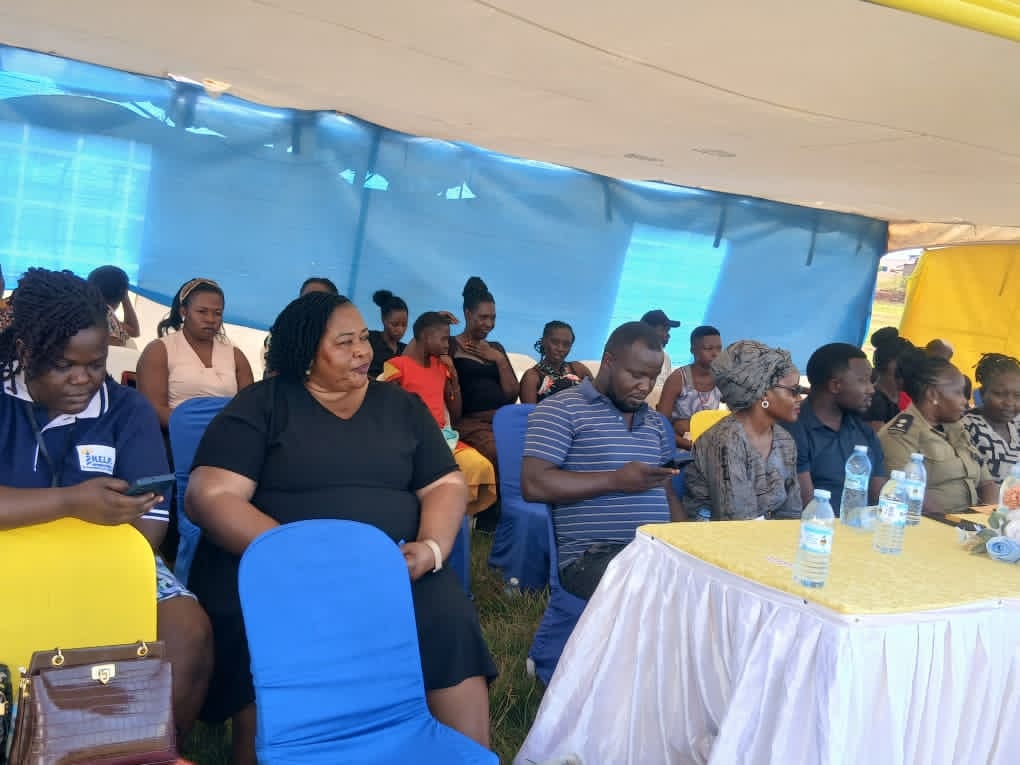
Speaking as chief guest during commemorations of the Day of the African Child at Mafubira Primary School in Jinja Northern Division, jointly organized by Jinja City and non-governmental organizations, Lwansasula noted that children who traverse long distances to access safe water are disproportionately affected, particularly girls during their menstrual periods.
She has since urged government to expedite interventions to ensure universal access to clean water in all communities and learning institutions.
“When a school lacks access to safe water, learners become vulnerable to diseases such as bilharzia, typhoid, and diarrhea. In light of today’s theme and activities, we must intensify efforts to ensure that both communities and schools have access to reliable clean water sources. This will not only mitigate disease transmission attributable to unsafe and contaminated water, but also enhance school retention,” she asserted.
Lwansasula further observed that despite Jinja’s urban status, several communities remain underserved, citing island areas such as Kisama in Masese as illustrative examples.
She also appealed to parents to desist from subjecting children to labor, emphasizing that children are entitled to their fundamental rights, chief among them education.
This year’s theme is “Ensuring Universal Access to Clean Water, Sanitation and Hygiene for All.”
Dorothy Mirembe, Senior Probation Officer for Jinja City, also expressed concern over inadequate sanitation facilities in schools, noting that in many institutions learners and teachers are compelled to share the few available latrines.
Mirembe called upon political leaders and civil society organizations to extend support to schools in addressing the challenge.
“We must advocate for the establishment of clean water points and the construction of designated facilities to support girls during menstruation,” she said.
She further implored teachers to refrain from corporal punishment, warning that such practices contribute to increased school dropout rates.
The guest of honor, Owen Kalulu, a student of Masese Seed School sponsored by Children on the Edge Africa Organisation based on Oboja Road, decried the lack of clean water sources, stating that it has undermined learning, particularly for girls.
“Stakeholders must intervene and support us so that we can learn in a confident and conducive environment,” he said.
*END*