Masaka Hospital struggles to sustain ambulance services amid funding cuts
Appearing before the Public Accounts Committee on Thursday, the hospital’s Executive Director, Dr James Elima, said the facility is grappling with inadequate resources to maintain and operate its ambulance fleet.
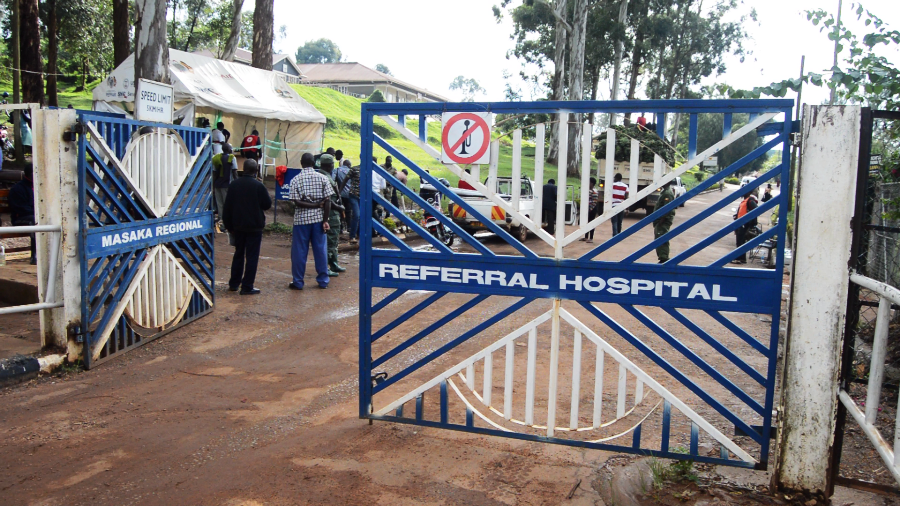
Ambulance services at Masaka Regional Referral Hospital are under strain following funding cuts that have significantly limited emergency response capacity across the Greater Masaka region.
Appearing before the Public Accounts Committee on Thursday, the hospital’s Executive Director, Dr James Elima, said the facility is grappling with inadequate resources to maintain and operate its ambulance fleet.
Dr Elima told legislators that the hospital receives only Shs36 million per quarter to service and fuel five ambulances, a figure he described as insufficient to meet the growing demand for emergency medical transport.
The limited funding, he added, is stretched further to cover fuel for generators and other operational travel within the region, compounding the strain on already constrained resources.
Health officials warn that the funding gap risks delaying emergency response times, particularly in rural and hard-to-reach areas that depend heavily on the hospital’s ambulance services for referrals and critical care.
The Greater Masaka region serves a large and widely dispersed population, making reliable ambulance services essential for timely access to healthcare. However, with rising fuel and maintenance costs, the current budget allocation is increasingly proving unsustainable.
Members of Parliament on the committee raised concerns over the impact of underfunding on service delivery, noting that emergency healthcare remains a critical component of the public health system.
Dr Elima called for increased funding to support ambulance operations, emphasizing that without adequate investment, the hospital’s ability to respond to emergencies and save lives will remain severely constrained.
The concerns come amid broader challenges facing Uganda’s public health sector, where facilities continue to grapple with resource limitations even as demand for services grows.