NORMAN KATENDE: The excuses killing responsibility
Earlier this week, someone shared a video with me about a woman who had been abandoned by her mother as a child and raised in an orphanage.
We may not choose where life starts us, but the excuses we keep are choices — and we are paying the price.
When we were growing up, there was an unwritten rule: if you saw rubbish on the floor at school, you picked it up. It did not matter who had dropped it. “It wasn’t me” was never an acceptable answer. The only question was: “What did you do to make the situation better?”
It was really a lesson about responsibility. We might not be responsible for everything around us, but we were always responsible for how we responded.
Somewhere along the way, we traded that lesson for something easier: the excuse.
Earlier this week, someone shared a video with me about a woman who had been abandoned by her mother as a child and raised in an orphanage. For years she blamed her mother for everything that went wrong in her life: her failed marriages, her restlessness, her disappointments.
When she was encouraged to write a letter to her late mother, she broke down. Her mother’s abandonment was real and unjustifiable. But she had been making her own choices ever since, and every time things went wrong, she reached for the same explanation. She had spent 24 years letting her pain become the excuse for everything that followed.
Taking responsibility does not mean excusing those who hurt us or pretending everyone starts with the same chances. It means refusing to let what happened to us have the final say over what happens next.
Nowhere is this lesson more urgent than among our young people.
According to the Uganda Bureau of Statistics’ 2025 Labour Market Survey, 42.6 per cent of Ugandans aged 15 to 24, that is about four million young people, are not in employment, education or training. Youth unemployment stands at almost 18 per cent.
Let us be honest: many of the obstacles are real. The economy is not creating jobs fast enough. Too many graduates leave school with certificates, but without the practical skills employers need. Capital is hard to find, and in many districts electricity and basic infrastructure are still missing. No one should pretend these young people are simply lazy.
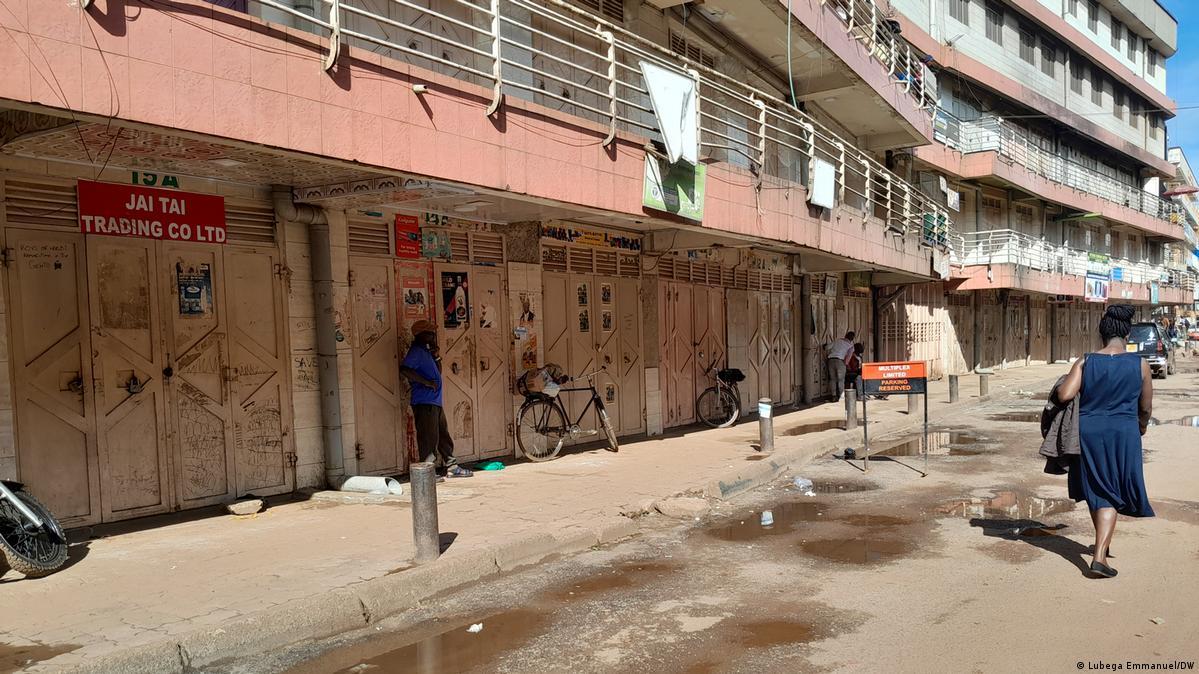
But walk through any trading centre, and you will hear another story alongside the statistics. “There are no jobs.” “You need connections.” “The government has not helped us.” “I studied for an office job, so I cannot do that kind of work.” Each of these may contain some truth, yet together they have become a wall that keeps many young people sitting still.
Different friends have complained about the rate of turnover in their employment, as the people they trust in businesses and offices end up not measuring up to expectations or change after working for some time, with excuses of overarching interests.
Some of these people spend their days in betting shops, hoping one lucky slip will change their lives. Betting revenue reportedly rose to Shs2.3 trillion in the 2024/25 financial year. That is money and time that could have gone into skills, savings or a small business. Others wait for a government programme, a relative abroad or the perfect white-collar job that may never come.
A friend of mine who built a respectable business from very little regularly speaks to struggling young people I refer to her. She estimates only about 20 per cent go on to make real progress. The biggest obstacle, she says, is rarely money or connections. It is the number of excuses people have already built around their circumstances. Many already have something they could turn into an income, but fear, comparison and the belief that there is only one way to succeed hold them back.
One woman she met was washing clothes for a living, borrowing constantly and sinking into debt. She wanted money. Instead, my friend challenged her to buy fresh produce at the market, clean it, package it and deliver it to customers. The woman was afraid nobody would buy. Eventually, she started anyway. Customers recommended her to others, and within three months she had two assistants.
Her circumstances had not changed. She received no investment and found no secret formula. She simply stopped letting her situation and her fear make every decision for her.
That is what responsibility looks like.
It is not about blaming young people for an economy they did not build. Government, employers, schools and parents all have work to do. But while we demand that they do it, we must also ask ourselves: What can I do with what I have? What is within my control? What is the next step I can take today?
The greatest danger of excuses is that they become part of our identity. We start to see ourselves through what has been denied to us rather than what we are still capable of doing. We become spectators in our own lives, waiting for someone else to make things better, while the years quietly pass.
We cannot always choose what life throws at us. But we can choose whether to spend our lives explaining it away or take responsibility for what comes next.
Norman Katende is an award-winning journalist and the author of Parenting: A Universal Language.