Opinion: The most important election in your community may not be the one you think
The consequence is that communities lose the opportunity to benefit from people with the knowledge, discipline and leadership skills needed to improve local governance.
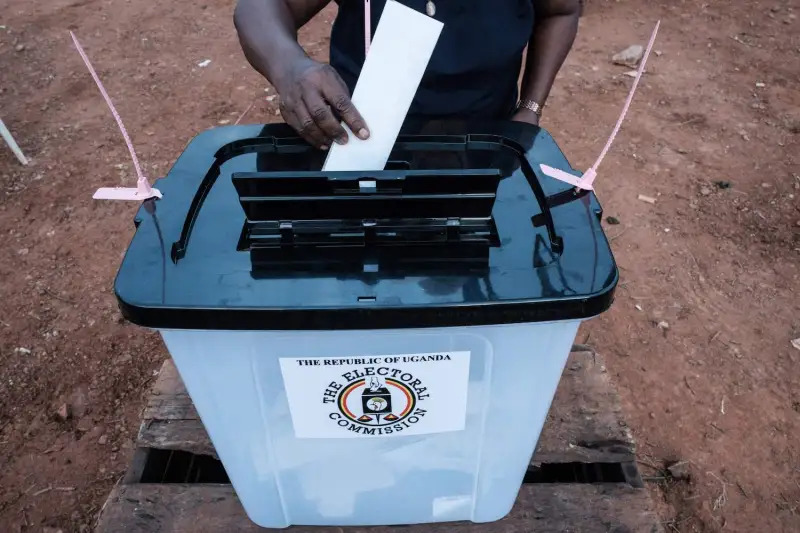
As Uganda conducts Local Council elections, attention has once again shifted to campaign posters, village meetings and community debates. For many Ugandans, however, these elections are treated as routine exercises—far less important than parliamentary or presidential contests.
That perception deserves to be challenged.
The quality of governance in any country is determined not only by those who make laws in Parliament but also by those who implement leadership where people live. Local Councils are the first point of interaction between citizens and government.
They are expected to resolve disputes, coordinate community development, mobilise residents during emergencies, and serve as the voice of the people.
Yet these are the very positions that many educated Ugandans avoid.
Too often, graduates and professionals argue that their ambitions lie elsewhere. Some believe Local Council leadership offers little recognition, while others view it as a temporary stop on the road to “real politics.”
The consequence is that communities lose the opportunity to benefit from people with the knowledge, discipline and leadership skills needed to improve local governance.
This mindset has contributed to a dangerous gap between education and public service.
If educated citizens are willing to manage companies, hospitals, schools and organisations, why should they hesitate to manage the affairs of their own communities? Leadership should not be measured by the size of the office but by the lives it improves.
The challenges facing many communities today, poor sanitation, youth unemployment, domestic violence, land conflicts and environmental degradation, cannot always wait for intervention from central government.
They require leaders who understand local realities and are prepared to work with residents to find practical solutions.
Local Councils also provide an important training ground for future national leaders. They teach accountability, public engagement, negotiation and decision-making under real conditions.
A leader who has successfully served a village or parish enters higher office with valuable experience that cannot be gained through political speeches alone.
But this responsibility does not rest solely with aspiring candidates. Voters must also rethink what they expect from their leaders. Elections should not reward generosity during campaigns or empty promises. They should reward competence, integrity and a genuine commitment to serving the public.
Uganda’s democracy will become stronger when its most capable citizens see grassroots leadership as an honour rather than a consolation prize. Communities deserve leaders who listen, plan and act, not simply those who seek titles.
The road to national transformation does not begin in the corridors of Parliament. It begins in villages where neighbours gather to solve common problems, in parishes where development priorities are identified, and in communities where leadership is tested every day.
If Uganda is serious about building accountable leadership, then educated citizens must stop waiting for bigger opportunities and begin serving where they are needed most.
The strongest trees grow from healthy roots, and the strongest nations are built in exactly the same way.