OranaGate investment signals new phase in Uganda’s agro-industrial growth
The OranaGate Factory, a joint venture between Southgate Properties Ltd and Denmark-based Orana AS, represents a strategic bet on value addition in one of Uganda’s most under-optimised sectors: fruit production.
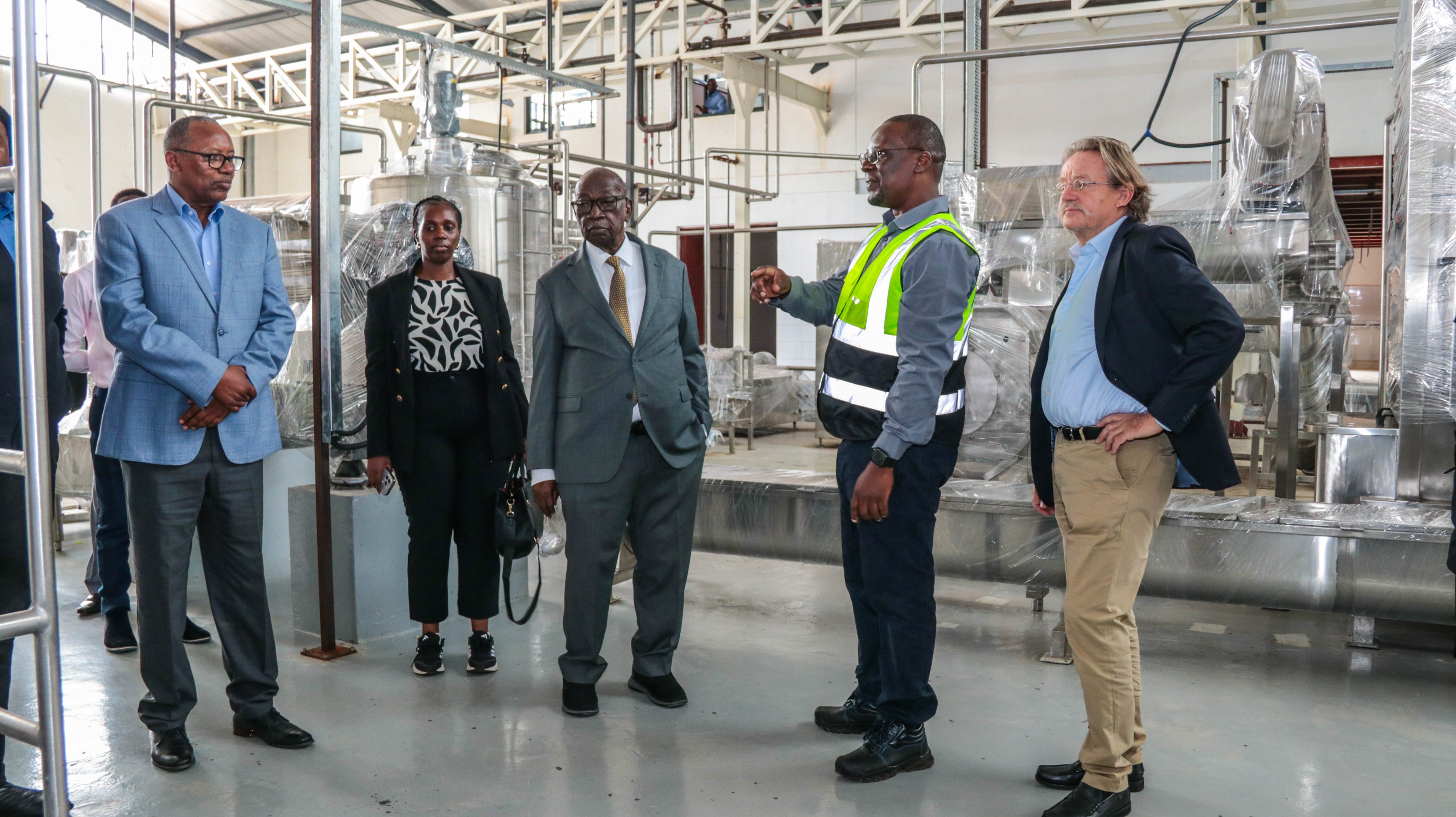
Uganda’s push toward value addition and agro-industrialisation gained fresh momentum this week as a new UGX 22.5 billion fruit processing facility took shape in the country’s flagship industrial hub.
The visit by Trade Minister Francis Mwebesa to the OranaGate Factory in Namanve Industrial Park underscores growing confidence in Uganda’s manufacturing potential, and a shift toward bridging long-standing gaps in agricultural markets.
The OranaGate Factory, a joint venture between Southgate Properties Ltd and Denmark-based Orana AS, represents a strategic bet on value addition in one of Uganda’s most under-optimised sectors: fruit production.
Designed as an integrated processing and bottling plant, the facility will convert pineapples, mangoes, passion fruits and tomatoes into pulp and concentrates for both regional and international markets.
With an installed processing capacity of five metric tonnes per hour and a bottling line capable of 4,000 bottles per hour, set to expand to 12,000 by 2027, the factory is positioning itself as a critical link between smallholder farmers and high-value markets.
Closing the Market Gap
For decades, Uganda’s fruit sub-sector has faced a structural imbalance: abundant production on one end, and limited processing and storage capacity on the other. The result has been high post-harvest losses, volatile prices and missed export opportunities.
OranaGate’s business model directly targets this inefficiency. By transforming perishable produce into shelf-stable products, the factory creates a reliable offtake market for farmers while enabling participation in regional and global value chains.
“This is the kind of investment we envisioned when we championed the Buy Uganda Build Uganda policy,” Mwebesa said during the visit. “This factory will turn our farmers’ produce into premium, shelf-stable products that can compete globally.”
The facility is expected to primarily source raw materials from regions such as Greater Luwero, where fruit farming is widespread but often constrained by limited access to markets.
A Platform for SME Growth
Beyond its core processing function, OranaGate is also positioning itself as an enabler of entrepreneurship. The plant will offer co-packing services—allowing small and medium-sized enterprises to produce fruit juice, bottled water, herbal drinks, jams and other products without investing in costly machinery.
According to Richard Munyaneza, this model lowers the barrier to entry for Ugandan entrepreneurs.
“We shall provide an opportunity for Ugandan entrepreneurs with innovative ideas but lacking capital for machinery and technical expertise to start their business journey with only working capital,” he said.
This approach reflects a broader shift in manufacturing ecosystems, where shared infrastructure is increasingly used to accelerate SME participation in industrial production.
Strengthening Rural Incomes
At the farm level, the impact could be equally transformative. By offering a consistent market, the factory is expected to stabilise farmgate prices, reduce post-harvest losses and increase household incomes. The introduction of a nucleus farm model will further support farmers through training, agronomy services and the promotion of organic farming practices.
In a circular economy approach, fruit waste from processing will be converted into organic compost and returned to farmers, enhancing soil fertility while reducing environmental impact.
Aligning with Uganda’s Industrial Vision
The OranaGate investment aligns closely with Uganda’s broader industrialisation agenda, which prioritises value addition as a pathway to economic transformation. By processing raw agricultural commodities domestically, the country stands to capture more value, create jobs and reduce reliance on imports of finished goods.
The factory is expected to begin operations in May 2026, adding to a growing network of agro-processing facilities aimed at strengthening Uganda’s manufacturing base.
For policymakers, the project represents a tangible outcome of efforts to attract investment into industrial parks and promote public-private partnerships. For farmers and entrepreneurs, it offers something equally critical: a dependable bridge from production to profit.
As Uganda continues to industrialise, investments like OranaGate may well define the next chapter, where agriculture and manufacturing converge to unlock new growth.