UBOS data shows Uganda still faces tough malaria fight
While the findings show strong progress in malaria prevention measures, particularly the widespread use of mosquito nets, they also reveal emerging challenges that could slow Uganda’s ambition to significantly reduce malaria transmission.
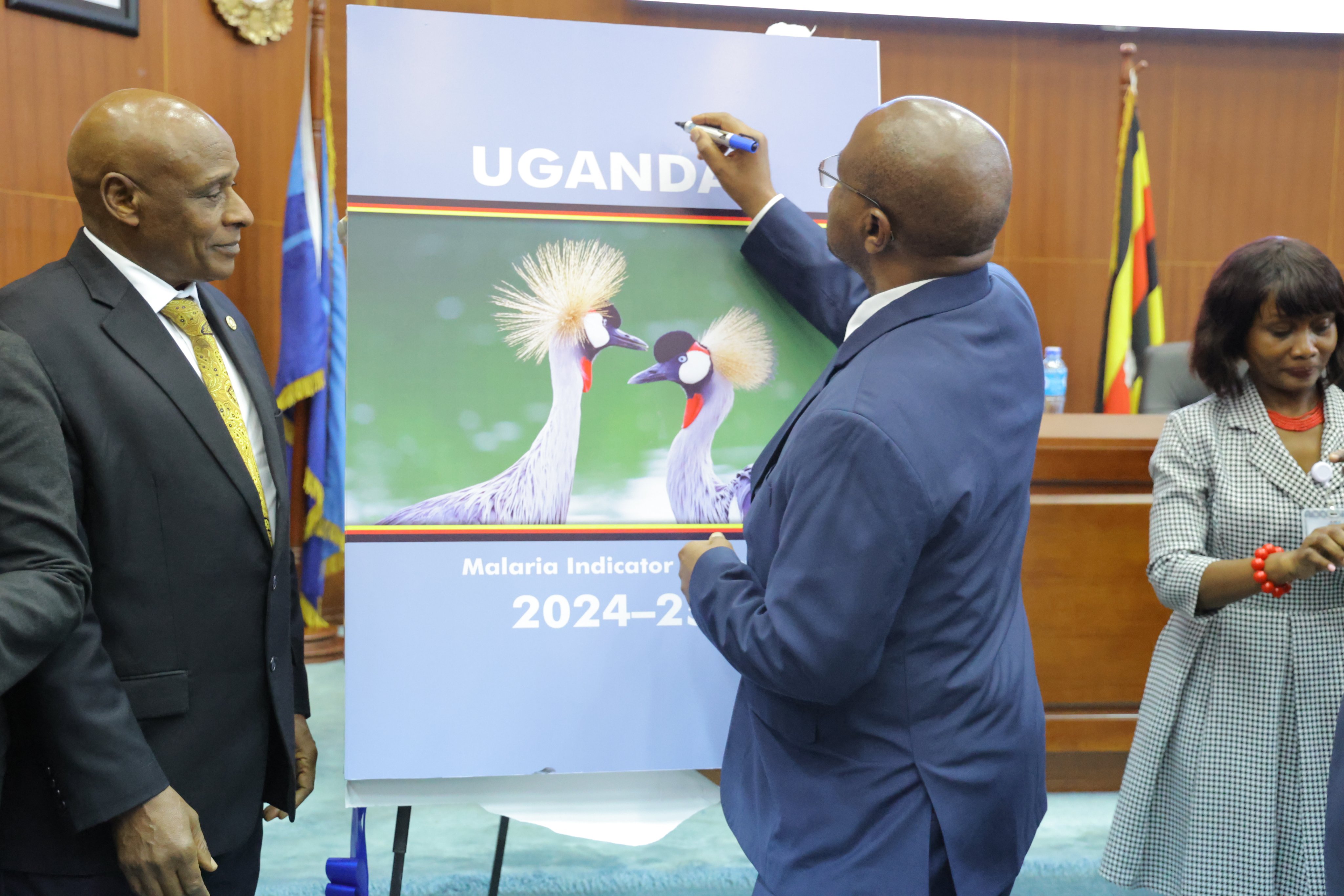
Uganda’s battle against malaria remains at a critical juncture, according to the newly released Malaria Indicator Survey (MIS) 2024/25, which offers a detailed snapshot of prevention efforts, health outcomes, and the evolving dynamics of one of the country’s most persistent public health threats.
The survey, disseminated on March 12 at Statistics House in Kampala by the Uganda Bureau of Statistics (UBOS), provides fresh data to guide policy decisions and targeted interventions in the fight against malaria. The report was officially launched by Amos Lugoloobi.
While the findings show strong progress in malaria prevention measures, particularly the widespread use of mosquito nets, they also reveal emerging challenges that could slow Uganda’s ambition to significantly reduce malaria transmission.
Prevention Gains, But Uneven Coverage
One of the most encouraging findings in the report is the widespread ownership of Insecticide Treated Nets (ITNs), a key pillar in malaria prevention.
According to the survey, 84 percent of Ugandan households own at least one insecticide-treated mosquito net, with rural areas recording higher coverage than urban centres. Regional disparities remain significant: ownership is highest in Teso (95%) and Lango (92%), while Kampala records the lowest level at 69 percent.
Mass distribution campaigns appear to be the primary driver behind these gains. Nearly 90 percent of respondents said they received mosquito nets through government-led mass distribution exercises, while others accessed them through antenatal clinics, community health workers, schools, health facilities, and private purchases.
Usage levels are also relatively high. The survey shows that 76 percent of household members slept under a mosquito net the night before the survey, including 78 percent of children under five and 84 percent of pregnant women, two groups considered most vulnerable to malaria.
However, public health experts note that the gap between net ownership and actual use remains an important challenge.
Targeted Interventions Show Regional Patterns
The report also highlights differences in malaria control strategies across regions.
Indoor Residual Spraying (IRS), the spraying of insecticides inside homes to kill mosquitoes, remains relatively limited nationwide. Only 10 percent of households reported receiving IRS in the past 12 months, with coverage slightly higher in rural areas (12 percent) compared to urban areas (8 percent).
Regional interventions vary significantly. IRS usage is highest in the West Nile sub-region, while Seasonal Malaria Chemoprevention (SMC) is widely implemented in Karamoja, reflecting the tailored strategies used in areas with distinct transmission patterns.
These variations illustrate how Uganda’s malaria control efforts increasingly rely on targeted, region-specific interventions rather than a one-size-fits-all approach.
A Young Population at Risk
Demographic data from the survey further underscores the scale of the challenge.
Nearly 48 percent of Uganda’s population is under the age of 15, a statistic that highlights the vulnerability of children to malaria infection. The report also notes that 30 percent of households are headed by women, a factor that can influence health-seeking behaviour and access to prevention tools.
For policymakers, these demographic realities reinforce the importance of sustained investment in maternal and child health programmes as part of the broader malaria control strategy.
Malaria Prevalence Edges Up
Despite improvements in prevention coverage, the survey reveals a concerning trend.
According to World Health Organization Uganda Country Representative Kasonde Mwinga, malaria prevalence has risen from 10 percent in 2018–2019 to 13 percent in 2024–2025, indicating that progress in combating the disease has slowed.
The increase highlights the complex nature of malaria control, where gains in prevention can be offset by factors such as climate conditions, mosquito resistance to insecticides, population growth, and gaps in treatment coverage.
Global Partnerships Remain Critical
International partnerships continue to play a crucial role in Uganda’s malaria response.
The United States has provided a significant volume of malaria prevention and treatment commodities, including 2.6 million mosquito nets, 4.5 million rapid diagnostic tests, 2.2 million treatment doses for uncomplicated malaria, and 200,000 treatment doses for severe malaria.
In addition, indoor residual spraying campaigns funded by the U.S. are currently targeting seven districts in Eastern Uganda, protecting nearly 2.9 million people across about 822,000 households.
The survey’s release also coincides with a new five-year health cooperation agreement worth nearly $2.3 billion between Uganda and the United States, reinforcing international support for strengthening health systems and malaria control efforts.
The Power of Data in Public Health
For government planners, the importance of the survey extends beyond statistics.
Minister Lugoloobi emphasized that credible and timely data remains the foundation of effective policy planning and resource allocation.
“Without reliable statistics, it becomes difficult to guide development decisions,” he said, noting that the findings will help government and partners better target high-burden areas and improve prevention and treatment strategies.
Similarly, Albert Byamugisha described the survey as one of the country’s most important statistical tools for tracking progress in the fight against malaria.
He credited improvements in health indicators, such as reductions in under-five mortality and maternal deaths, to sustained investments in Uganda’s health system and collaboration with development partners.
The Road Ahead
The findings of the Malaria Indicator Survey 2024/25 reinforce a familiar reality: Uganda has made measurable progress in expanding malaria prevention tools, but the disease remains deeply entrenched.
As the country continues to scale up interventions, policymakers will need to address the persistent gaps between prevention coverage, behavioural adoption, and health outcomes.
Ultimately, the report highlights both the success of large-scale public health campaigns and the complexity of eliminating malaria in a country with a young and rapidly growing population.
For Uganda, the path toward a malaria-free future will depend not only on distributing more nets and medicines but also on sustained investment, innovation, and the consistent use of evidence-based data to guide the fight.