UBOS Research Figures: What the next wave of national data will reveal about Uganda
With the new releases, UBOS continues to strengthen Uganda’s national data ecosystem, providing the statistical foundation necessary for economic planning, social policy development, and private-sector investment decisions.
Uganda Bureau of Statistics (UBOS) has announced a structured release calendar for a series of major statistical reports derived from recent national surveys and census activities, signaling an important data cycle for policymakers, researchers, and businesses across the country.
In a public statement issued in Kampala on Friday, 6th March 2026, the national statistics agency said the reports will be disseminated between March and May 2026, covering critical sectors including health, poverty, education, labour markets, aquaculture, and human capital development.
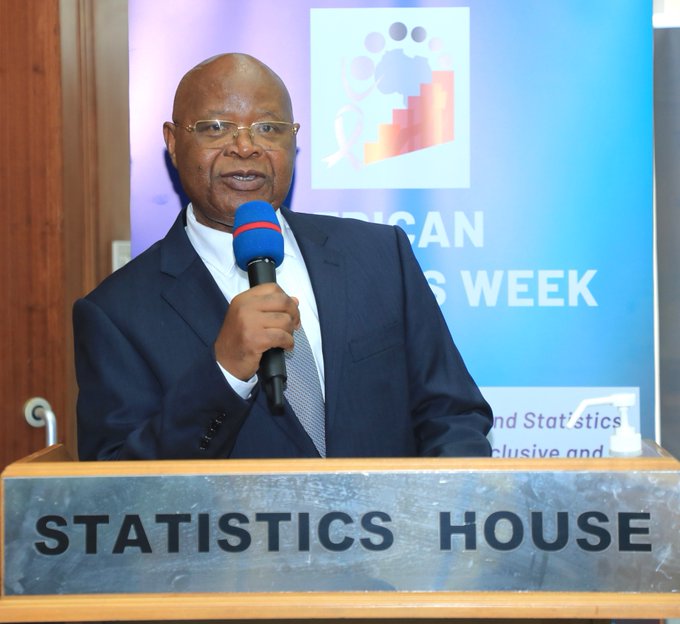
According to Chris N. Mukiza, Executive Director and Chief Statistician at UBOS, the scheduled publications are intended to support evidence-based planning, policy formulation, and informed public debate in Uganda’s development landscape.
Data Releases Begin with Health and Social Welfare Reports
The first report in the series will be the Uganda Malaria Indicator Survey (UMIS) Report 2025, scheduled for release on 12 March 2026. The survey provides nationally representative data on malaria prevalence, prevention practices, and treatment access which are key indicators for Uganda’s public health strategies.
This will be followed on 19 March 2026 by the Orphans and Other Vulnerable Children (OVC) Census Monograph 2024 – Volume IV, which examines the demographic and socio-economic status of vulnerable children across the country.
Poverty and Education Data to Follow
UBOS will then publish the Multi-Dimensional Poverty Index (MPI) Census Monograph 2024 – Volume V on 26 March 2026, offering deeper insights into poverty beyond income levels by examining factors such as education, living standards, and access to essential services.
In April, attention will shift to the education sector with the release of the Baseline Education Census (BEC) Report 2025 on 9 April 2026, expected to provide updated statistics on schools, enrollment, infrastructure, and staffing across Uganda.
Labour, Human Capital and Agriculture Insights
Economic and labour market indicators will dominate the mid-April releases. The Labour Market Survey Report 2025 will be issued on 16 April, followed by the National Human Resource (Manpower) Survey Report 2025 on 23 April, both expected to provide valuable insights into employment trends, workforce skills, and human capital availability.
Agriculture and fisheries stakeholders will also gain new sector data when the Uganda Aquaculture Census Report 2025 is released on 30 April, offering updated information on fish farming production, distribution, and sector growth.
Multi-Year Household Data Concludes Series
The release cycle will conclude on 7 May 2026 with the publication of the Uganda Harmonized Indicator Survey (UHIS) reports covering Wave I and II (2021–2024) and Wave III (2025). The UHIS provides comprehensive socio-economic indicators on household welfare, consumption, health, and education.
Supporting Evidence-Based Decision Making
UBOS said all reports will be published on its official website on the respective release dates, allowing broad public access to the data.
“The Uganda Bureau of Statistics assures all stakeholders of high-quality official statistics for evidence-based planning, decision making and informed public debate,” Mukiza said.
Analysts note that the scheduled reports are particularly important for government ministries, development partners, investors, and research institutions, as the datasets provide updated insights into Uganda’s health outcomes, labour dynamics, poverty levels, and agricultural sectors.
With the new releases, UBOS continues to strengthen Uganda’s national data ecosystem, providing the statistical foundation necessary for economic planning, social policy development, and private-sector investment decisions.