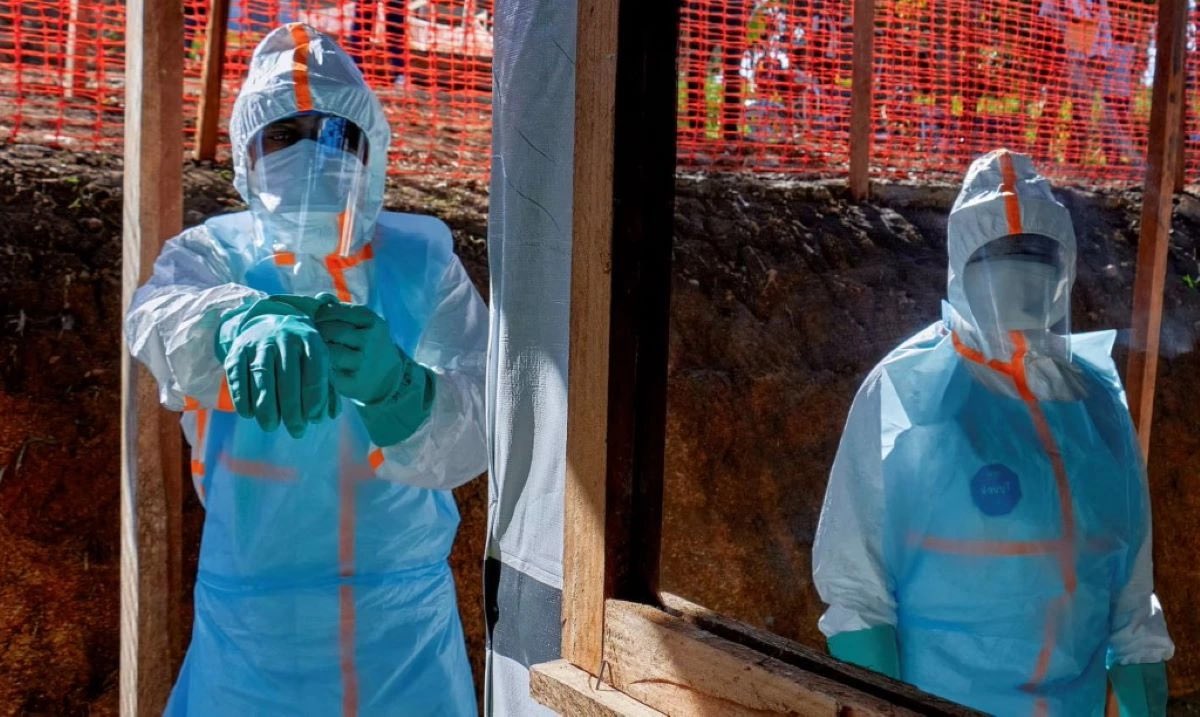
Uganda tests medical drones in Kalangala, looks to Rwanda, Kenya, and Malawi for lessons
Uganda is testing medical drones in Kalangala District to assess their potential to improve access to medical supplies in hard-to-reach island communities.
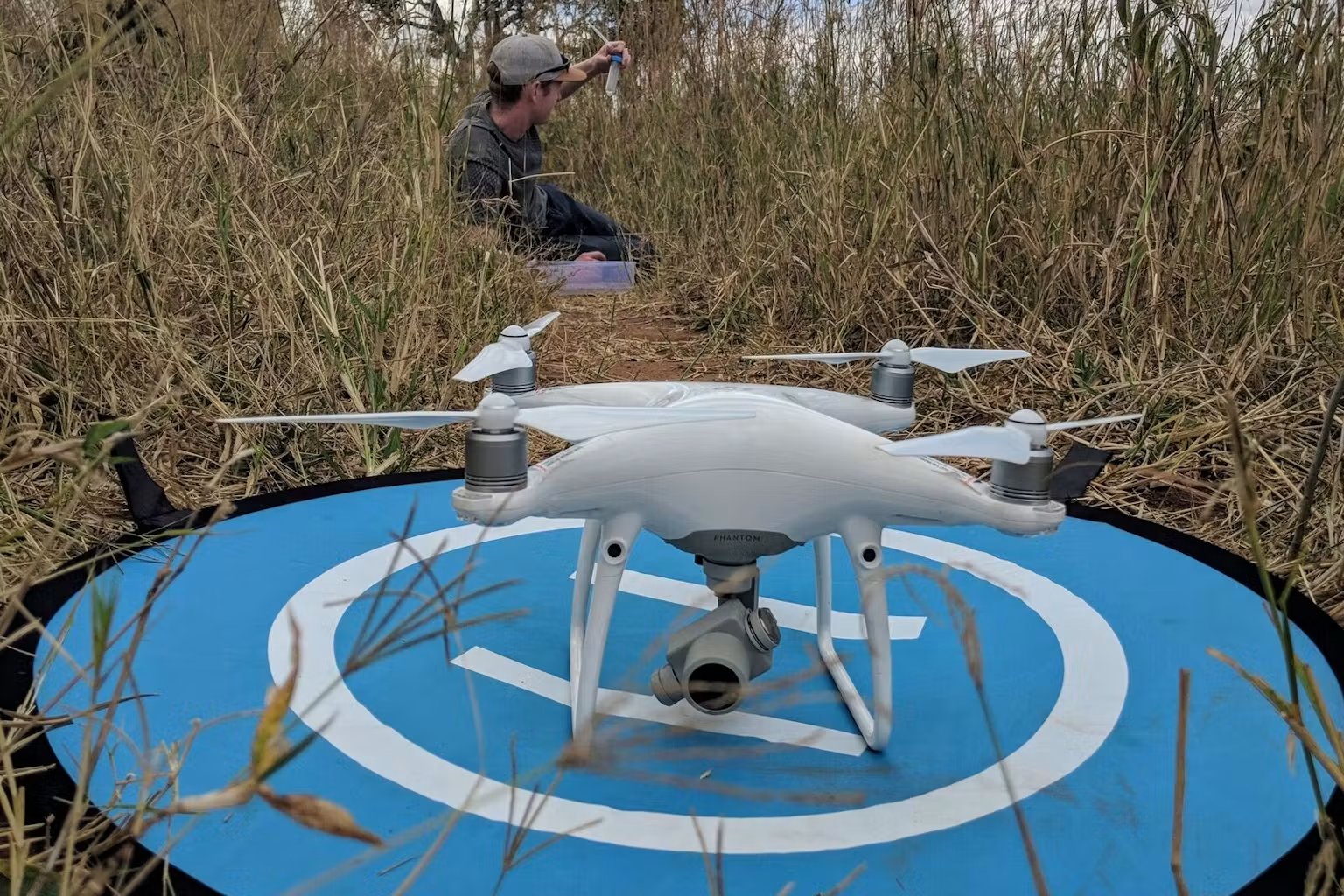
Uganda is testing medical drones in Kalangala District to assess their potential to improve access to medical supplies in hard-to-reach island communities.
Teams from the National Health Laboratory and Diagnostic Services Department conducted the tests to assess readiness for possible deployment, with flight data expected to guide future implementation.
The initiative comes as other African countries provide lessons on using drones to strengthen healthcare delivery.
In Rwanda, a study covering 2017 to 2019 recorded 12,733 drone deliveries of blood products, with an average delivery time of 49.6 minutes. Researchers also reported a 67% reduction in blood-product expirations after 12 months.
Kenya began medical drone deliveries in Kisumu County in 2023 and expanded the service to include blood products and vaccines in 2024, targeting remote health facilities around Lake Victoria.
In Malawi, a UNICEF evaluation documented 5,158 laboratory samples transported by drones during a 2020 pilot. However, gaps in baseline data and integration with health information systems made it difficult to measure the full impact.
These experiences highlight the importance of delivery efficiency, integration into existing health supply chains, and reliable monitoring of results.
For Uganda, the challenge goes beyond adopting drone technology. Authorities must establish their costs, identify services that would benefit most, and determine whether drones can complement existing transport systems and improve patient care.
Parliamentary budget scrutiny, regulation, and oversight will, therefore, be important in ensuring that any future deployment delivers measurable benefits to communities.