Magogo pushes for stronger intellectual property protection to unlock value in Ugandan sport
At a time when global sport is driven by lucrative broadcasting deals, branding, and athlete image rights, Magogo warned that Uganda risks missing out on similar gains if it does not tighten its grip on intellectual property (IP). “Sport is a creation,” he said, emphasising that ownership must be legally recognised to unlock commercial benefits.
Ugandan football is increasingly becoming big business, but without stronger protection of intellectual property, much of its value risks slipping through the cracks. That was the central message from Moses Magogo Hassim, who is urging stakeholders to treat sport not just as entertainment, but as a valuable asset worth safeguarding.
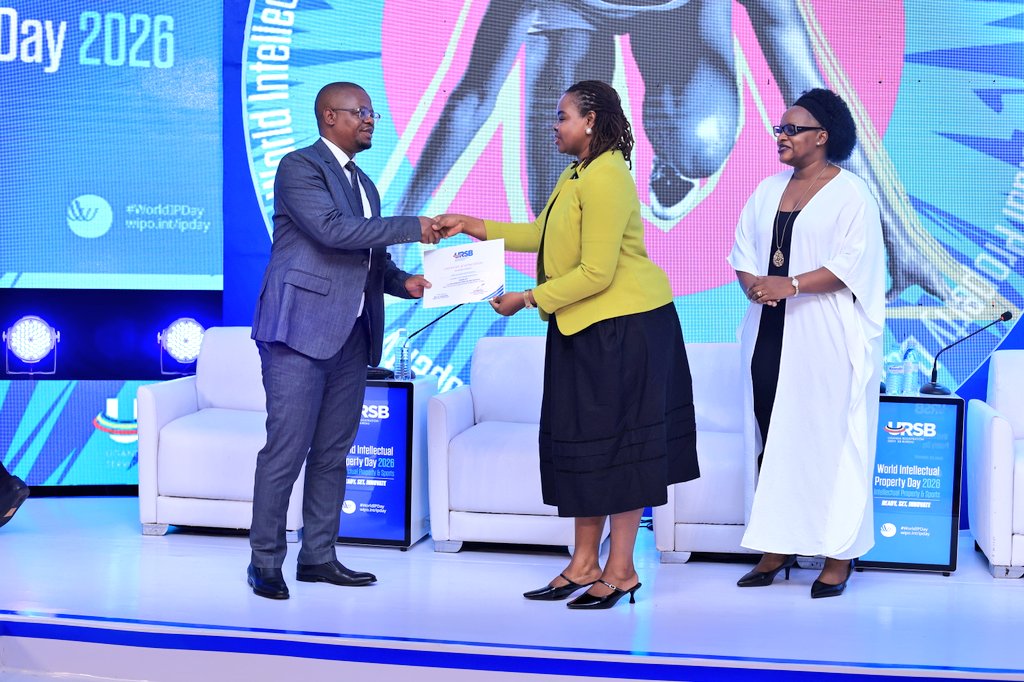
Speaking after a high-level engagement to mark World Intellectual Property Day 2026, organised by the Uganda Registration Services Bureau, Magogo underscored the urgent need for athletes, clubs, and federations to formally register and protect what they create.
At a time when global sport is driven by lucrative broadcasting deals, branding, and athlete image rights, Magogo warned that Uganda risks missing out on similar gains if it does not tighten its grip on intellectual property (IP). “Sport is a creation,” he said, emphasising that ownership must be legally recognised to unlock commercial benefits.
The Business of Sport Beyond the Pitch
Modern sport thrives on intangible assets—broadcast rights, merchandise, sponsorships, and personal branding. Magogo noted that these elements only translate into revenue when properly protected under the law. Without registration, clubs and athletes have little recourse when their content or brands are exploited.
In Uganda, the challenge is not just about awareness, but action. While frameworks for IP registration exist, uptake across the sports ecosystem remains limited. This gap has left room for widespread infringement, particularly in merchandise.
Counterfeits Undermining Growth
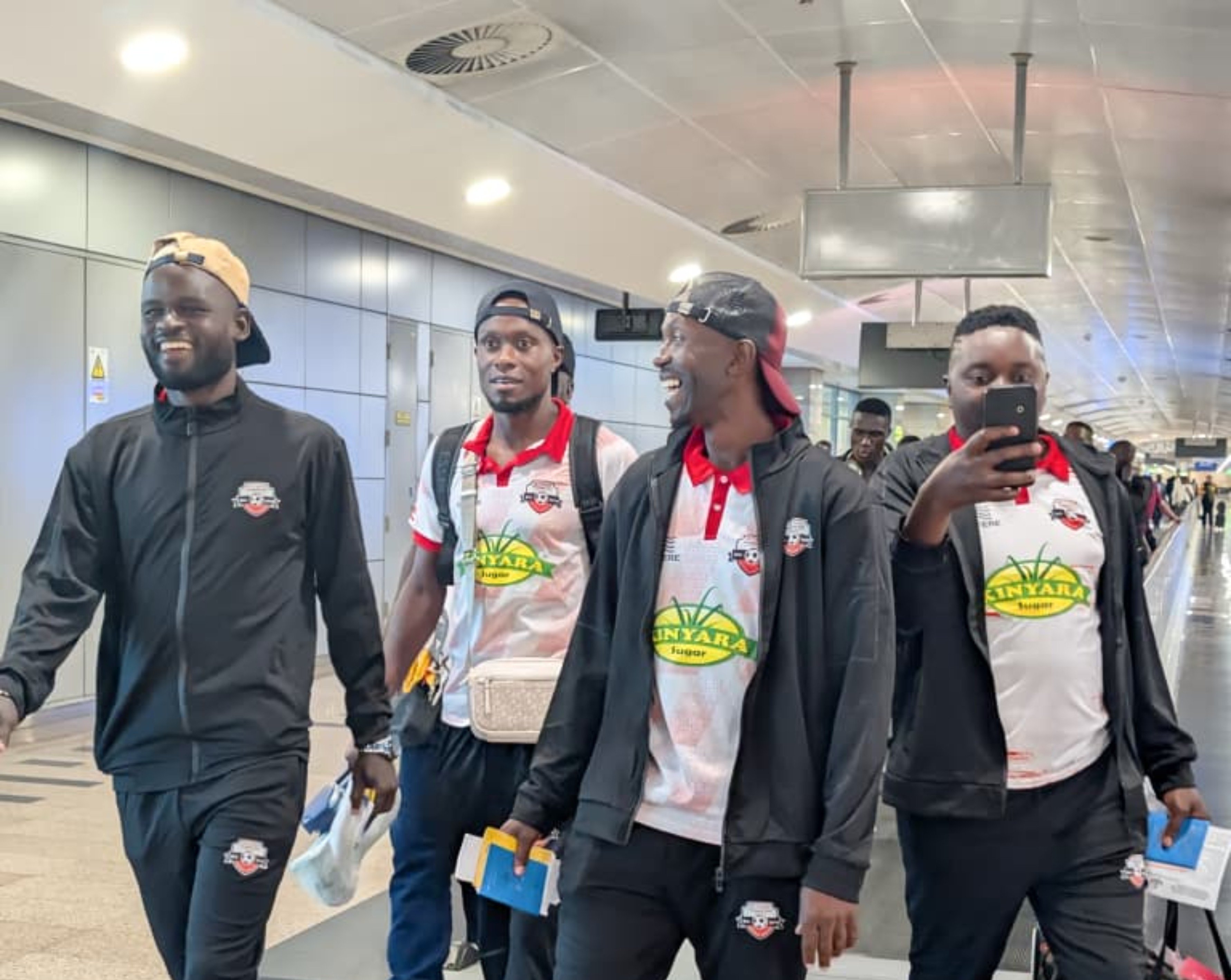
One of the most visible examples is the proliferation of counterfeit jerseys in local markets. Despite the Federation of Uganda Football Associations registering its trademarks, fake kits continue to dominate sales, cutting into potential revenue streams for clubs and the federation.
Magogo acknowledged that this reflects a deeper issue, weak enforcement. “The laws are in place,” he noted, “but there are areas where enforcement is not being applied.”
This disconnect between legislation and implementation is a critical bottleneck. Without consistent enforcement, even registered IP offers limited protection, discouraging further investment in branding and innovation.
A Call to Action for the Industry
Magogo’s message was clear: stakeholders must take proactive steps. From grassroots academies to elite athletes, registering intellectual property is no longer optional—it is essential for survival in a competitive sports economy.
The push aligns with broader efforts to professionalise Ugandan sport, positioning it as a viable commercial sector rather than a purely recreational activity. Protecting IP, he argued, is foundational to this transformation.
Looking Ahead
While acknowledging existing challenges, Magogo remains optimistic. The growing recognition of intellectual property within sport signals a shift in mindset—one that could redefine how Ugandan sport generates and retains value.
If matched with stronger enforcement and industry-wide compliance, this shift could open new revenue streams, attract investment, and elevate the global profile of Ugandan athletes and competitions.
For now, the message from the top is unmistakable: in the business of sport, what is not protected cannot truly be owned, and what is not owned cannot be fully monetised.