Buliisa confronts rising gender-based violence as cases surge
Some participants at the training pointed to underlying causes of GBV in the district, including informal marriages without legal recognition, economic pressure on women, and men abandoning family responsibilities.
By George Niyonzima
Authorities in Buliisa District have raised concern over a rising wave of gender-based violence (GBV), with new data indicating a 34 percent prevalence rate among women and girls.
According to Godfrey Tumusiime, the district continues to register between 10 and 20 GBV cases every month, most of them involving physical and sexual abuse.
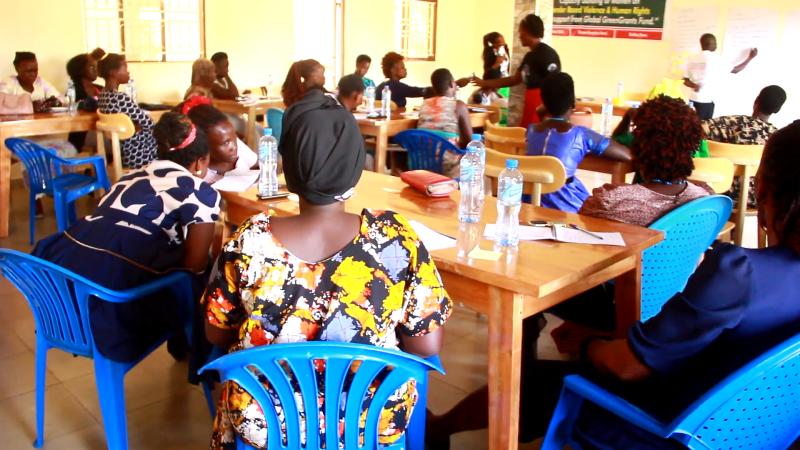
Speaking during a capacity-building meeting for women on GBV, Tumusiime stressed the urgency of addressing the growing crisis.
“We are deeply concerned about the continued violence against women and girls in our communities,” he said.
He attributed the high rates of GBV to entrenched social norms, economic dependency, and limited awareness of women’s rights. He also noted that stigma and fear of retaliation often prevent survivors from reporting cases or seeking justice.
“Many survivors remain silent due to fear of stigma and retaliation. We need to create safe spaces and avenues for them to report and access justice,” he added.
Tumusiime commended the efforts of the Buliisa Grassroot Women Association for supporting awareness and capacity-building initiatives in the district.
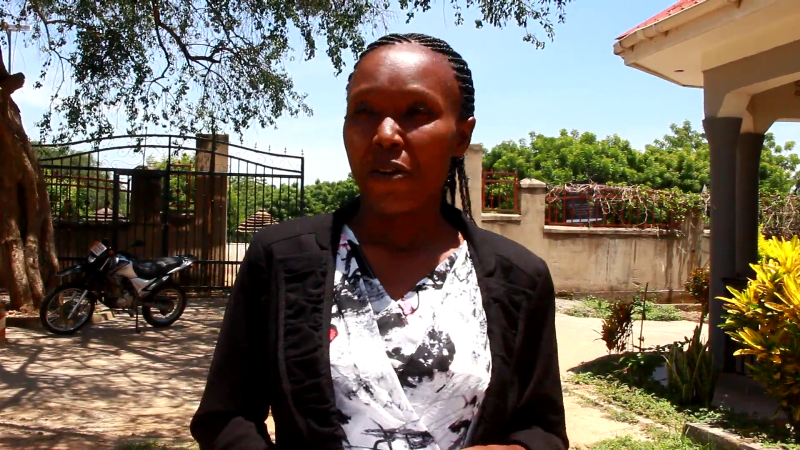
The association’s chairperson, Harriet Kugonza, said the group has recorded numerous GBV cases, prompting targeted interventions across the district.
“As an association, we have received many GBV cases, which pushed us to organise these trainings to empower women,” she said.
Kugonza emphasized that addressing GBV requires collective action from all members of society.
“This fight requires a united approach. Men, women, and young people must all come together to reject violence and promote equality,” she noted.
She also called on well-wishers and development partners to support the initiative, saying the association cannot manage the challenge alone.
The capacity-building program currently covers six sub-counties: Ngwedo, Buliisa Town Council, Buliisa Sub-county, Kigwera, Biiso Town Council, and Biiso Sub-county.
Some participants at the training pointed to underlying causes of GBV in the district, including informal marriages without legal recognition, economic pressure on women, and men abandoning family responsibilities.
The district leadership says strengthening awareness, improving reporting mechanisms, and promoting community involvement will be key in reversing the troubling trend.