Ssenyonyi warns of ‘Legislative Cruelty’ as Sovereignty Bill sparks economic, political fears
Uganda’s Parliament is facing mounting pressure to halt the Protection of Sovereignty Bill, 2026, with the Leader of Opposition Joel Ssenyonyi delivering one of the strongest rebukes yet, branding the proposed law an “economic suicide note” and a direct threat to the country’s multi-party democracy.
Uganda’s Parliament is facing mounting pressure to halt the Protection of Sovereignty Bill, 2026, with the Leader of Opposition Joel Ssenyonyi delivering one of the strongest rebukes yet, branding the proposed law an “economic suicide note” and a direct threat to the country’s multi-party democracy.
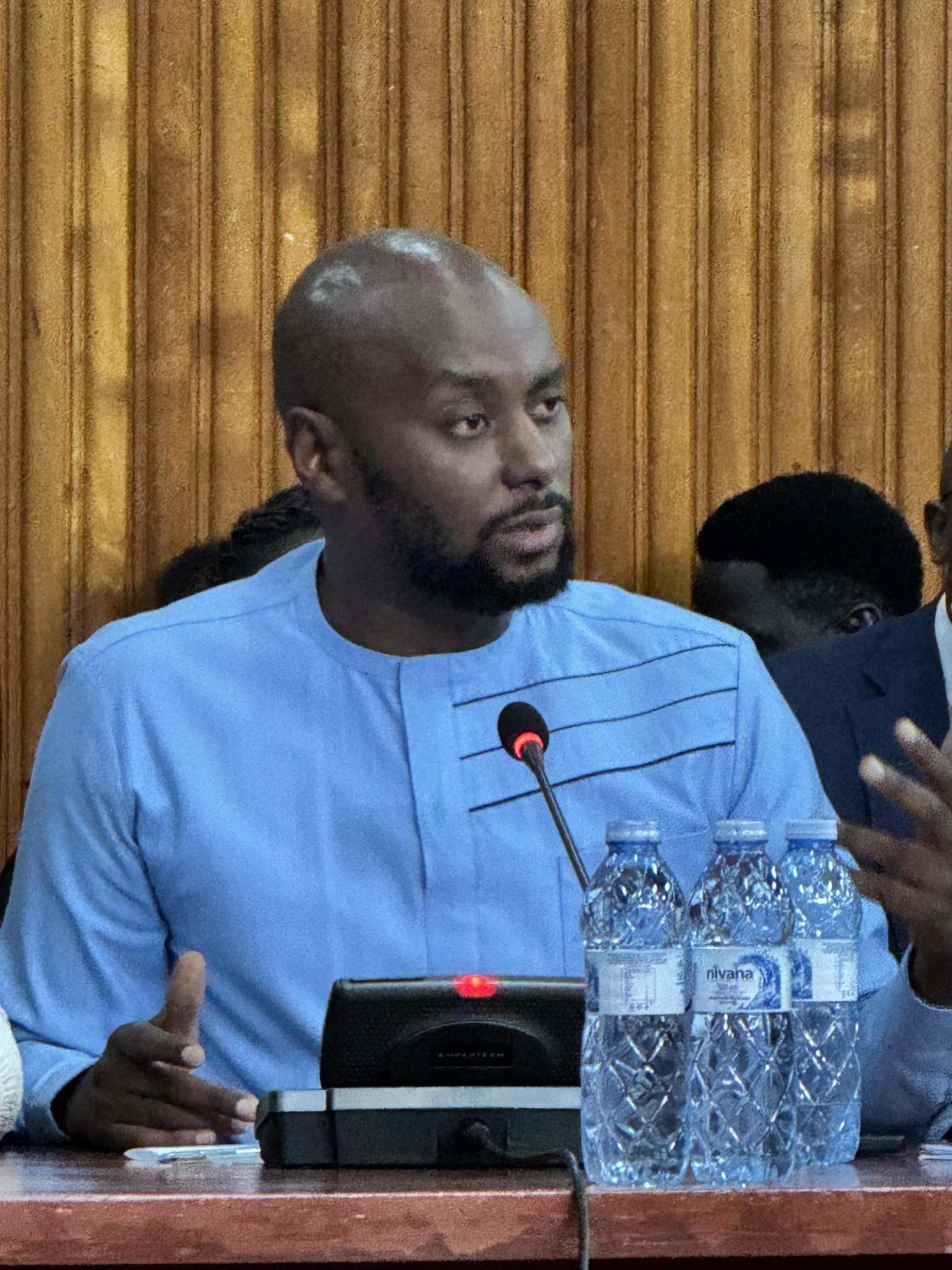
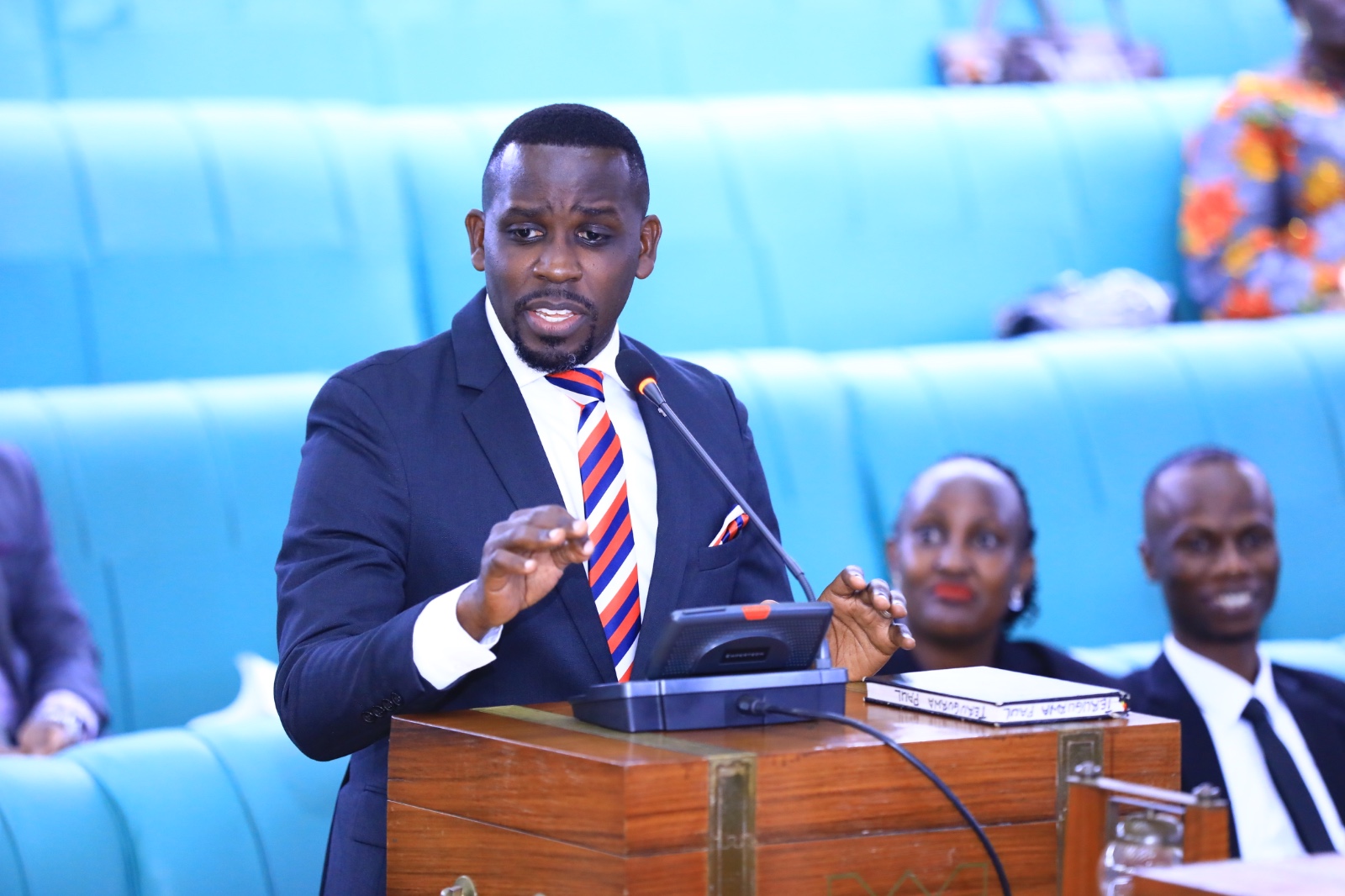
Appearing before the Joint Committees on Defence and Internal Affairs and Legal Affairs on April 24, Ssenyonyi warned that passing the Bill in its current form would amount to “legislative cruelty,” particularly at a time when Uganda’s economy is already under strain.
Economic Alarm Bells
Ssenyonyi linked the Bill to broader economic risks, arguing that its provisions could deter investment, disrupt labour markets, and deepen hardship for ordinary Ugandans.
He pointed to the recent withdrawal of USAID support, which has already left thousands of health workers and NGO employees without jobs, warning that the proposed law could worsen the situation.
“At this exact moment of crisis, the Bill proposes restrictions that will further suffocate economic activity,” he said, cautioning that limiting foreign funding and imposing harsh penalties could create a hostile environment for both capital and labour.
Fear of Shrinking Civic Space
At the heart of the Opposition’s argument is concern that the Bill could be used to silence dissent. Ssenyonyi argued that provisions criminalising actions deemed harmful to the economy or national security are too vague and open to abuse.
He cited a scenario in which journalists exposing corruption could face prosecution if their reporting triggers economic repercussions—raising fears that the law could undermine press freedom and accountability.
“This ceases to be a theoretical threat,” he said. “It becomes an immediate danger to political pluralism and economic survival.”
Diaspora and Identity Debate
One of the most contentious clauses, according to Ssenyonyi, is the definition of a “foreigner,” which includes Ugandan citizens living abroad. Critics say this could affect millions in the diaspora who contribute significantly to the economy through remittances.
By classifying them as foreigners, the Bill could subject their financial support to strict controls, potentially disrupting a key source of national income.
Pushback from Lawmakers
During the session, John Teira raised the possibility of amending controversial provisions rather than discarding the Bill entirely, noting that even the Attorney General had indicated openness to revising certain clauses.
Teira asked whether the Opposition would consider engaging in reforms if outright rejection was not an option.
But Ssenyonyi held firm, arguing that the Bill is unnecessary given existing laws that already address concerns around national security, foreign interference, and financial crimes.
‘A Solution in Search of a Problem’
The Opposition maintains that Uganda’s legal framework—including laws on treason, money laundering, and NGO regulation—already provides sufficient safeguards.
Ssenyonyi described the Bill as legally redundant, accusing its proponents of attempting to legislate over issues already covered.
“You cannot have an Act of Parliament for anything and everything,” he said, warning against legislative excess.
Global Parallels Raise Concern
Ssenyonyi also drew comparisons with similar laws in countries such as China, Russia, India, and Ethiopia, where restrictions on foreign funding and civil society have drawn international criticism.
He warned that adopting comparable measures could damage Uganda’s global standing and scare away development partners, humanitarian organisations, and investors.
A Defining Parliamentary Battle
As debate over the Protection of Sovereignty Bill, 2026 intensifies, it is emerging as a key test of Uganda’s legislative direction—pitting national security arguments against concerns over democracy, economic stability, and civil liberties.
For Ssenyonyi and the Opposition, the stakes are clear: the Bill is not just another piece of legislation, but a potential turning point in Uganda’s political and economic trajectory.