U.S. commits US$75 million to life-saving humanitarian response in Uganda
With the new funding, humanitarian agencies aim to prevent further deterioration of essential services and reduce the risk of avoidable deaths among the most vulnerable populations, particularly children and newly arrived refugees.
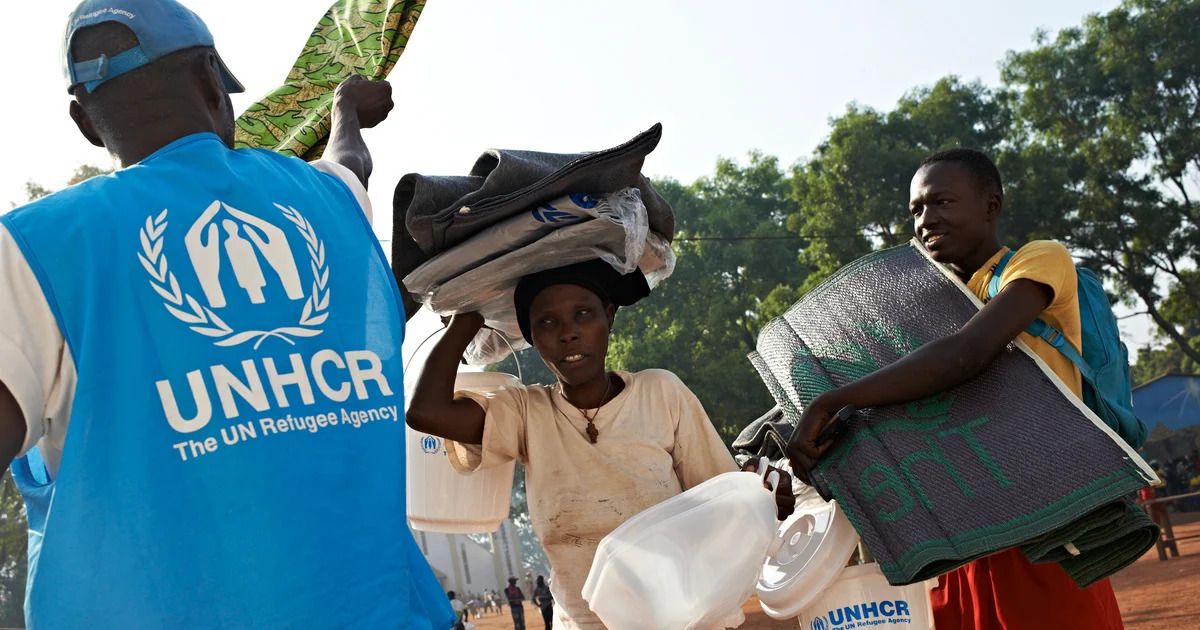
The United States Government has allocated US$75 million to support urgent humanitarian assistance in Uganda, targeting refugees and vulnerable host communities facing severe food insecurity, malnutrition, and disease outbreaks. The funding, delivered through the Eastern and Southern Africa Humanitarian Fund and managed by the UN Office for the Coordination of Humanitarian Affairs (OCHA), will strengthen life-saving interventions across health, nutrition, food security, protection, shelter, and water, sanitation and hygiene services.
According to UN Resident Coordinator in Uganda Leonard Zulu, the support comes at a critical time as Uganda grapples with a worsening humanitarian situation driven by recurrent drought, measles outbreaks, floods, landslides, and continued regional displacement. The country currently hosts more than two million refugees, making it Africa’s largest refugee-hosting nation, while also receiving new arrivals amid increasing vulnerability in already overstretched districts.
Zulu said the funding will be channelled through humanitarian partners, including UN agencies and international and national NGOs, to address the most urgent needs. Priority areas include drought-affected Karamoja, where acute malnutrition among children has reached alarming levels, and refugee-hosting districts struggling to sustain basic services.
He noted that the Uganda Humanitarian Fund mechanism ensures coordinated, transparent and accountable delivery of assistance, aligning with the Uganda prioritization framework and the wider Uganda Country Refugee Response Plan. The intervention, he said, is designed to sustain critical frontline services at a time of exceptional funding constraints while complementing efforts by the Government of Uganda.
“The life-saving needs of close to two million refugees and vulnerable communities in Uganda are very high,” Zulu said, adding that the contribution will be “truly lifesaving” and urging other development partners to support the fund.
The U.S. Embassy in Uganda also welcomed the disbursement, describing it as a timely response that enhances efficiency, oversight, and accountability in humanitarian programming. The embassy emphasized that the approach ensures assistance is responsive to emerging crises while safeguarding value for taxpayers.
Humanitarian actors warn that Uganda’s crisis is being compounded by overlapping shocks, including climate-related disasters and regional instability, which continue to strain public systems and deepen food insecurity.
With the new funding, humanitarian agencies aim to prevent further deterioration of essential services and reduce the risk of avoidable deaths among the most vulnerable populations, particularly children and newly arrived refugees.