Hoima Prison congestion persists despite expanded community service efforts
Justice Opyene attributed the rising number of offenders partly to limited social support systems within communities, noting that many individuals resort to crime due to unresolved social challenges.
By George Niyonzima
Congestion at Hoima Prison remains a pressing concern despite intensified efforts to promote community service as an alternative to custodial sentences in the Bunyoro sub-region.
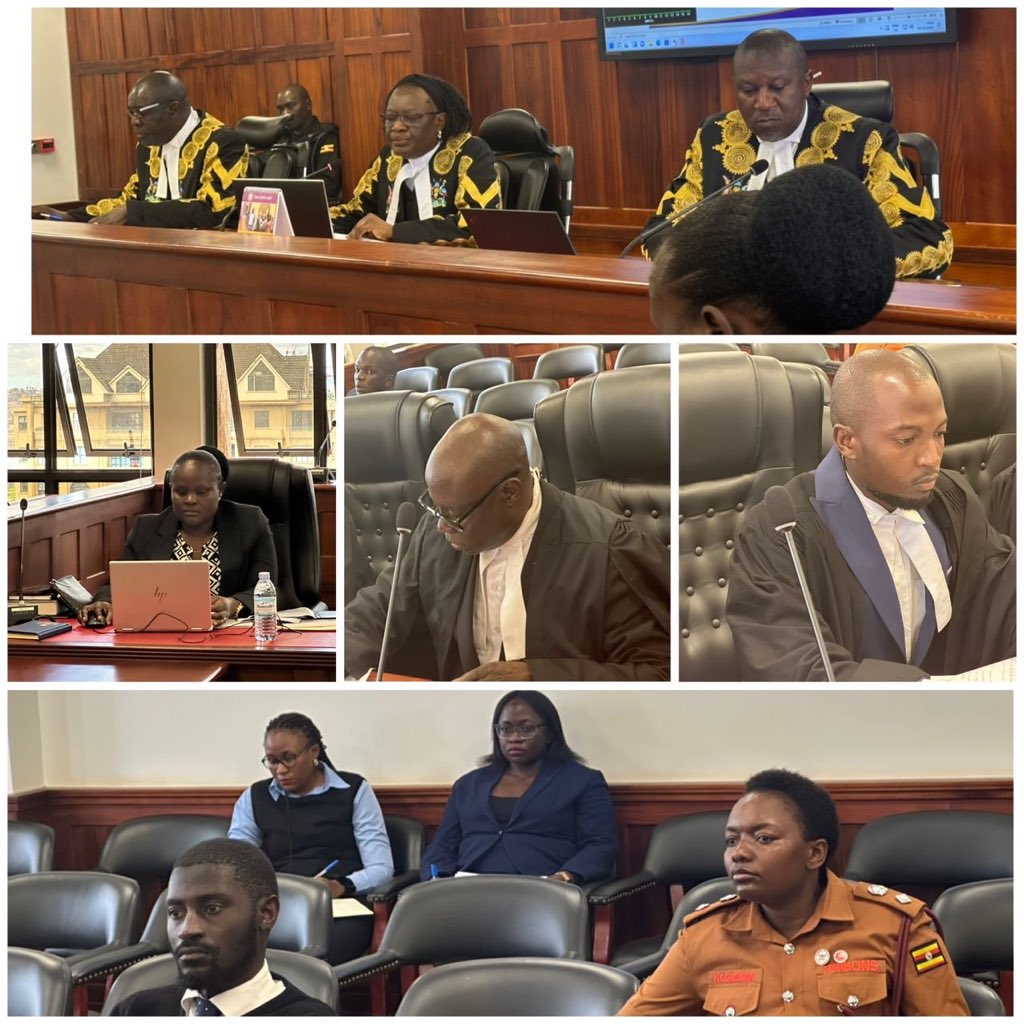
Speaking during a stakeholders’ engagement aimed at strengthening community service, Hoima High Court Resident Judge, Justice Vincent Opyene, revealed that the facility currently holds about 400 inmates in a space designed for only 300, highlighting the growing strain on prison infrastructure.
Justice Opyene attributed the rising number of offenders partly to limited social support systems within communities, noting that many individuals resort to crime due to unresolved social challenges.
“Some people engage in offences due to lack of social support structures to address underlying issues,” he said.
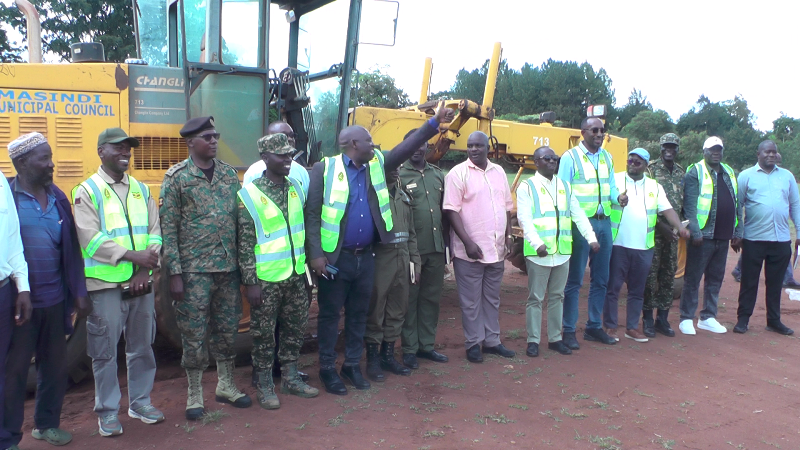
He emphasized the need to expand community service initiatives beyond sensitization campaigns to include practical interventions such as environmental conservation. “As we enhance community service, we should also promote activities like tree planting to instill responsibility and community ownership,” he added.
Authorities warn that continued congestion could trigger serious health, sanitation, and human rights concerns if not urgently addressed.
Hoima Chief Magistrate George Kunihira cited several interventions already in place, including radio talk shows, stakeholder training, and re-arrests of repeat offenders. However, he pointed to systemic challenges undermining progress.
These include a shortage of State Attorneys at Kyangwali and Buseruka Magistrate Courts, which support Hoima High Court, as well as inadequate staffing of community service officers—currently only one serves the area. He also noted delays caused by incomplete police documentation, particularly the failure to fill PF103 forms before forwarding case files to court.
Kunihira clarified that Hoima High Court primarily handles civil matters, further complicating the timely disposal of criminal cases.
According to the court’s FY2025/26 report (July–April), efforts to reduce crime have focused on issuing and supervising community service orders, strengthening capacity building, improving compliance monitoring, and supporting the reintegration of offenders.
Hoima Resident City Commissioner Badru Mugabi acknowledged persistent crime in the city, especially in informal settlements, and called for increased recruitment of support staff to strengthen community service delivery.
He urged local leaders, including Community Development Officers (CDOs), Local Council officials, and Resident District Commissioners, to play a more active role in ensuring timely completion of criminal case files at the community level.
Responding to concerns about police inefficiencies, Mugabi maintained that law enforcement agencies remain central to crime prevention efforts.
At the national level, Justice Tadeo Asiimwe, Chairperson of the National Community Service Committee (NCSC), commended Hoima High Court for its commitment but urged judicial officers to be more decisive in handling criminal cases.
“Criminal cases are complex and require firm, direct handling to avoid case recycling,” Asiimwe said, advising that offenders should undergo thorough trial processes before discharge.
He further called for a coordinated approach involving multiple stakeholders, including RCCs and local council leaders, to strengthen monitoring and implementation of community service programs.
Assistant Albertine Regional Police Commander Titus Byaruhanga reaffirmed the police’s commitment to community engagement through sensitization initiatives, while Deputy Lord Mayor Sylvia Nalumaga linked rising crime rates to population growth, increasing numbers of street children, and poor parenting.
Nalumaga pledged continued collaboration among stakeholders to enhance community awareness and reduce criminality.
Despite ongoing reforms, stakeholders agree that addressing prison congestion in Hoima will require sustained investment in social support systems, judicial capacity, and community-based alternatives to incarceration.