FDC’s Amuriat questions Sovereignty Bill process, urges MPs to reject it
The FDC leader credited civil society organisations, religious and cultural leaders, legal experts, and ordinary citizens for mobilising against the Bill, saying their unified stance had forced government to reconsider its position.
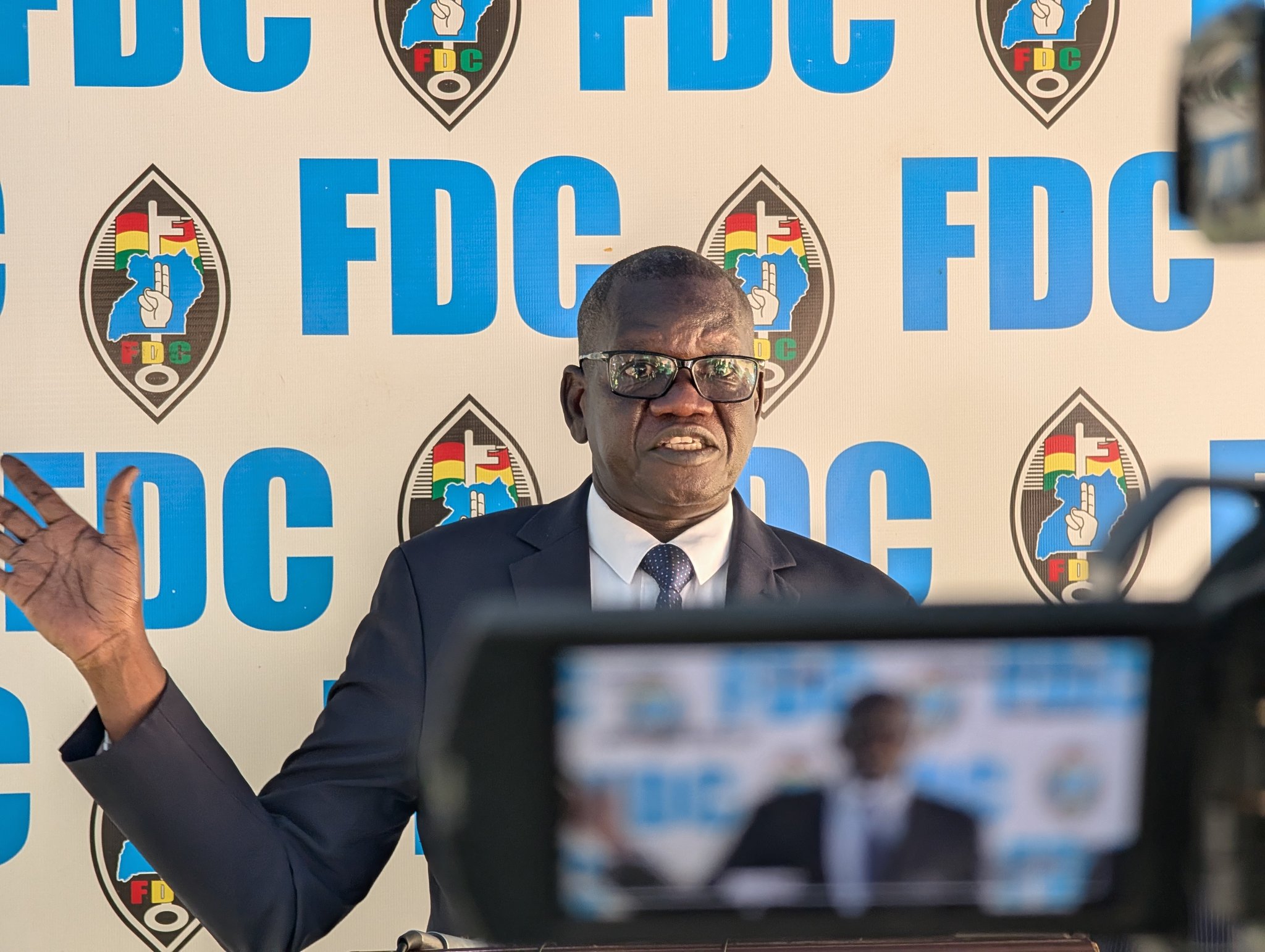
The President of the Forum for Democratic Change, Patrick Oboi Amuriat, has intensified opposition to the proposed Protection of Sovereignty Bill, raising concerns over its origin, drafting process, and implications for civil liberties.
In a statement following recent submissions to Parliament, Amuriat said opposition to the Bill was overwhelmingly expressed during hearings before the joint committees on Defence and Internal Affairs, and Legal and Parliamentary Affairs.
He noted that the majority of stakeholders who appeared before the committees rejected the legislation, reflecting what he described as broad national resistance.
Amuriat also pointed to remarks by President Yoweri Museveni, who recently distanced himself from the version of the Bill currently before Parliament, saying it was “not the Bill he initiated.”
According to the FDC leader, this raises serious questions about the integrity of the legislative process.
“If the President disowns the Bill, then Ugandans deserve answers on who altered it, who authorised its tabling, and how such a document reached Parliament,” Amuriat said, suggesting that responsibility could lie within the Attorney General’s chambers, the Ministry of Internal Affairs, or Cabinet.
He argued that the President’s public distancing from the Bill signals a lack of confidence in the officials involved in its drafting and presentation, and called for accountability to prevent similar occurrences in future.
Amuriat further criticised the manner in which the matter has been handled, noting that once a Bill is formally tabled in Parliament, any revisions or withdrawal should follow established legislative procedures rather than public pronouncements.
- The FDC leader credited civil society organisations, religious and cultural leaders, legal experts, and ordinary citizens for mobilising against the Bill, saying their unified stance had forced government to reconsider its position. He described the development as evidence of the power of collective civic action.
At the same time, he warned that despite widespread opposition, parliamentary committees are reported to have endorsed the Bill, leaving the final decision to the full House.
He called on Members of Parliament to reject the legislation in its current or amended form if it undermines constitutional freedoms.
“Parliament must stand with Ugandans and protect fundamental rights, including freedom of speech, association, and political participation,” Amuriat said.
The proposed law has sparked intense national debate, with critics arguing it could restrict civic space, while government maintains it is intended to safeguard Uganda’s sovereignty in decision-making. The Bill is now expected to proceed to the next stage of parliamentary consideration.