
Ssentamu reflects on reform, challenges during his tenure as Makerere University’s Guild President
His tenure was not without difficult moments. Early on, he made the decision to dismiss a minister who did not align with the cabinet’s vision, an experience he says reinforced the need for integrity and unity in leadership.

When Ssentamu Churchill James took office as the 91st Guild President of Makerere University, he carried with him more than just a campaign promise, he brought a deeply rooted belief in leadership shaped by family, school, and personal ambition.
Raised in a household where politics and public service were part of daily life, Ssentamu says his father, Fred Nyanzi Ssentamu, and uncle, Robert Kyagulanyi Ssentamu, the President Of National Unity Platform (NUP), played a defining role in shaping his interest in leadership.
That early exposure, he told Makerere University News in an interview, was sharpened during his school years, where he served as Sports Minister and later Head Prefect at St. Juliana High School, Gayaza.

But it was the rise of former Guild President Vincent Lubega Nsamba, a fellow alumnus he once succeeded as Head Prefect, that ultimately convinced him that leading Makerere’s student body was within reach.
Once elected, Ssentamu’s vision was straightforward but ambitious: to amplify the student voice and ensure their concerns translated into action.
Navigating the university’s administrative systems proved challenging, but he points to steady progress.
His leadership engaged university management to improve student welfare, leading to greater flexibility in organizing social events such as the Bazaar and Freshers’ Ball – activities that had previously faced restrictions.
Beyond campus life, his administration tackled one of the most persistent academic frustrations: missing marks.
What once took entire semesters to resolve has now been streamlined through closer coordination with the Academic Registrar’s office, significantly reducing delays for affected students.
Perhaps his most impactful reform was advocating for students to sit examinations after paying at least 60 percent of tuition fees.
The policy shift has eased financial pressure on many students and helped reduce dropout rates, an achievement he considers a defining moment of his tenure.
Under his leadership, the Guild structure itself also became more functional, with ministers and Guild Representative Councillors (GRCs) taking on clearer roles and delivering more effectively.
For Ssentamu, however, the lessons learned went beyond policy wins.
“Leadership begins with influence,” he reflects, noting that managing expectations, especially in a politically active student environment, was one of his greatest challenges.
Delays in student allowances or administrative processes often triggered criticism, but he learned to remain calm, listen, and use feedback constructively.
He also underscores the importance of teamwork, saying effective leadership requires trust and delegation rather than control.
Building strong working relationships with university leadership, including the Vice Chancellor and the Dean of Students, proved critical in pushing through reforms and navigating institutional bureaucracy.
Balancing academics with the demands of office required discipline and careful prioritisation.
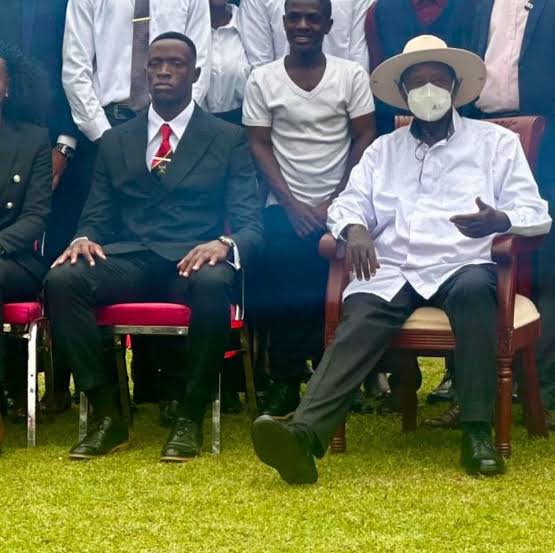
Ssentamu relied on his cabinet to step in during scheduling conflicts, ensuring continuity while maintaining focus on his studies.
Still, he admits that with more consistent engagement with university administrators, even more could have been achieved.
His tenure was not without difficult moments. Early on, he made the decision to dismiss a minister who did not align with the cabinet’s vision, an experience he says reinforced the need for integrity and unity in leadership.
As he prepares to leave office, Ssentamu speaks less about power and more about service.
He says he will not miss the title itself, viewing leadership as a responsibility that must pass on to others.
Instead, he hopes his legacy will be defined by selflessness and commitment to students’ welfare, even when it required personal sacrifice.
He recalls contributing his own money to bridge a funding gap for a Freshers’ Ball event, ensuring it went ahead for the benefit of students.
“I want to be remembered as someone who went the extra mile,” he says.
For Ssentamu, the journey from student leader to change-maker reflects a broader lesson, leadership is not about position, but about impact.