Museveni urges EU to support Africa’s industrialisation as Uganda and Europe mark 50 years of partnership.
Museveni reiterated that partnerships with Europe should increasingly support investments in industries, infrastructure and technology that enable African countries to move up global value chains.
Ugandan President Yoweri Kaguta Museveni has called for stronger support towards Africa’s industrialisation and value-addition agenda, arguing that the continent’s long-term prosperity depends on transforming its abundant raw materials into finished products.
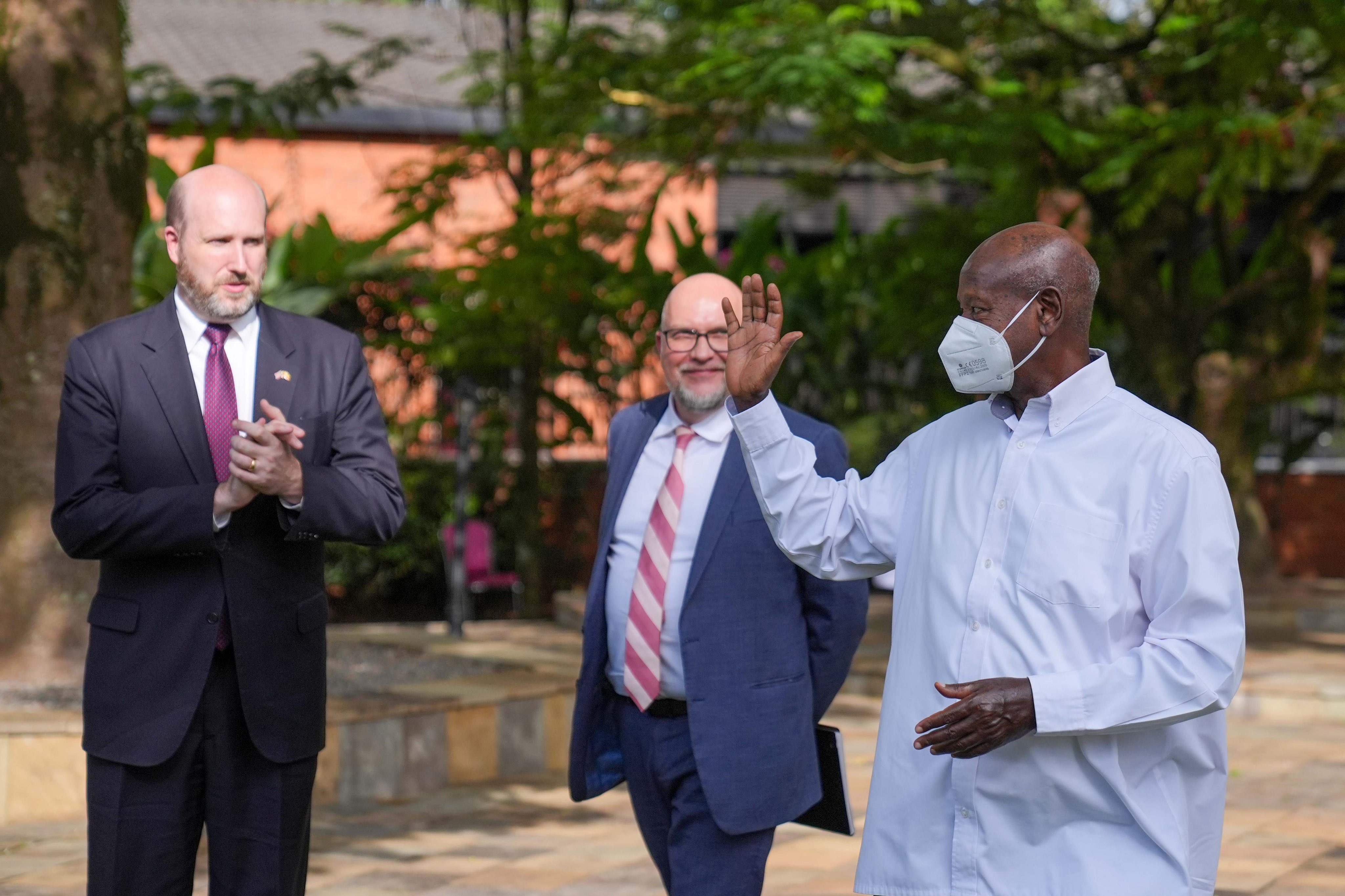
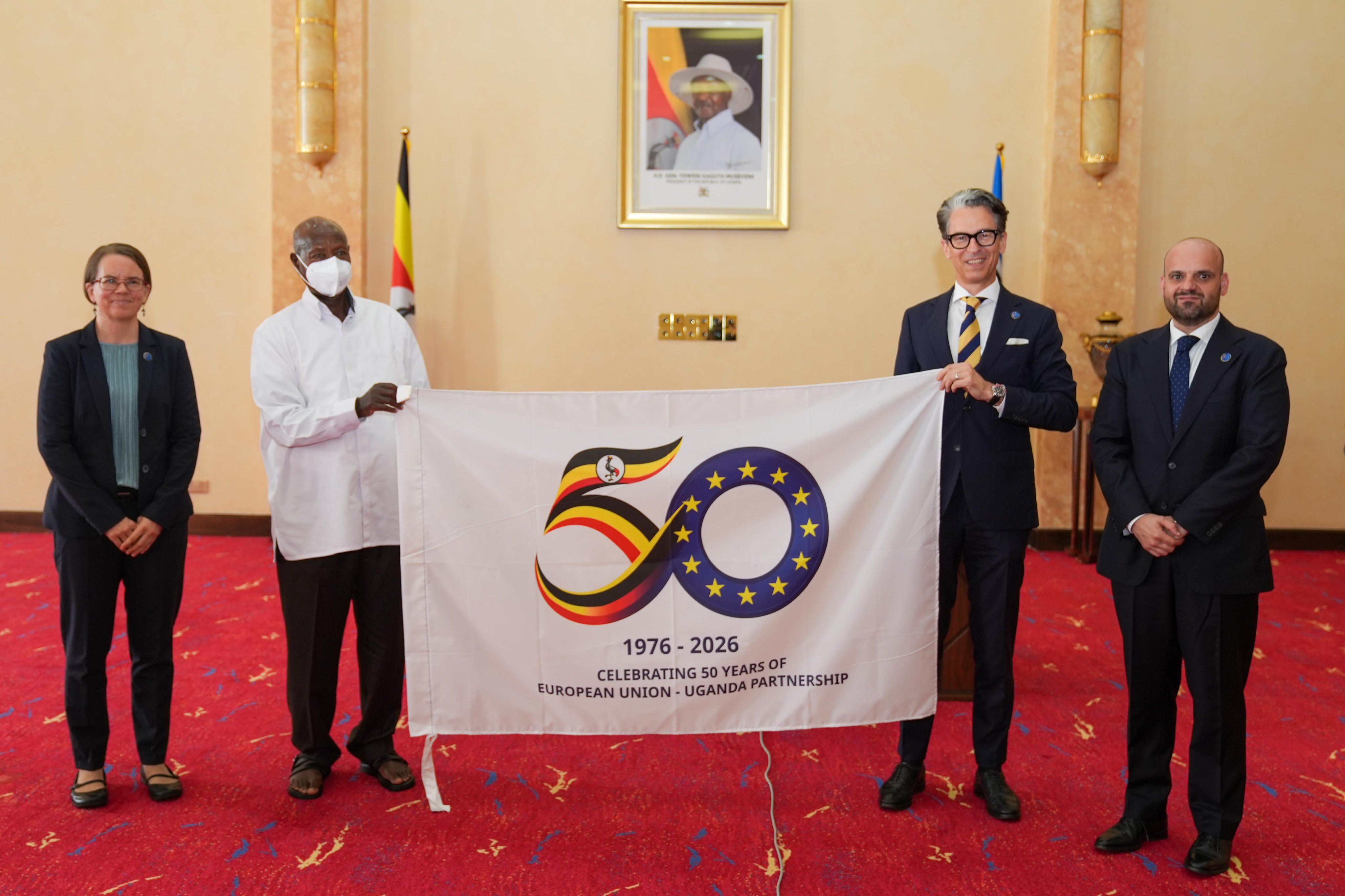
Museveni made the remarks on Tuesday during a meeting at State House Entebbe with Jan Sadek and a delegation from the European Union, as Uganda and the EU reflected on 50 years of diplomatic and development cooperation.
The meeting highlighted the enduring partnership between Uganda and the European bloc, which remains one of the country’s key development, trade and investment partners.
During the discussions, Museveni welcomed the long-standing collaboration but stressed that future partnerships should place greater emphasis on supporting Africa’s industrial transformation.
“Africa cannot continue exporting raw materials while importing finished products if we are to achieve prosperity for our people,” the President said.
He argued that value addition, industrialisation and infrastructure development are critical for unlocking the continent’s economic potential, creating jobs and increasing incomes.
Call for a New Economic Partnership
Museveni said a more prosperous Africa would not only benefit Africans but also create new opportunities for trade, investment and business partnerships with Europe.
According to the President, strengthening manufacturing and processing industries across Africa would expand markets, increase purchasing power and generate mutually beneficial economic growth.
He encouraged European investors and development partners to work more closely with African countries in developing industries that process local raw materials before export.
The President’s position aligns with Uganda’s broader economic strategy, which seeks to promote industrialisation through agro-processing, mineral beneficiation and value addition in key sectors of the economy.
Uganda-EU Relations at 50
The meeting comes as Uganda and the European Union mark five decades of cooperation spanning trade, development assistance, governance, education, infrastructure and private sector development.
Over the years, the EU has been a major source of development financing and investment in Uganda, supporting programmes in agriculture, energy, transport, health and education.
The bloc also remains an important export destination for Ugandan products, particularly agricultural commodities.
Analysts note that Uganda’s push for industrialisation increasingly mirrors broader continental efforts under initiatives such as the African Union’s industrial development agenda and the African Continental Free Trade Area, which seek to promote intra-African trade and manufacturing.
Focus on Value Addition
Uganda has in recent years intensified efforts to encourage local processing of agricultural products, minerals and petroleum resources as part of its strategy to increase export earnings and reduce dependence on imported manufactured goods.
Government officials argue that exporting raw materials deprives the country of jobs, technology transfer and higher-value economic opportunities.
Museveni reiterated that partnerships with Europe should increasingly support investments in industries, infrastructure and technology that enable African countries to move up global value chains.
The discussions with Ambassador Sadek come at a time when Uganda is pursuing ambitious economic transformation goals aimed at expanding industrial output, attracting investment and creating employment opportunities for its growing population.
As Uganda and the European Union celebrate 50 years of partnership, the meeting underscored a shared interest in deepening economic cooperation while highlighting Kampala’s desire for a relationship that supports Africa’s journey from a supplier of raw materials to a producer of value-added goods.