FDC dismisses Museveni’s new cabinet as ‘recycled instrument of personal rule’
The party also renewed its criticism of First Lady Janet Kataaha Museveni retaining the Education and Sports portfolio, arguing that key challenges in the education sector, including high school fees and unresolved welfare concerns for teachers, remain unaddressed.

The opposition Forum for Democratic Change (FDC) has criticised President Yoweri Museveni’s newly announced Cabinet, describing it as a mere reshuffle that offers no new direction for the country and reflects what it called a government disconnected from the realities facing ordinary Ugandans.
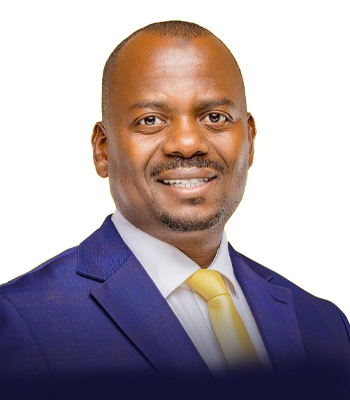
Addressing journalists on Monday, FDC Vice Chairperson Robert Franco Centenary said the Cabinet unveiled last week was not the fresh start many Ugandans had anticipated following the recent elections.
“This is not a new Cabinet that Ugandans expected. It is just a reshuffle,” Centenary said. “The same Vice President, the same Prime Minister, the same First Lady in the same ministry. Ugandans who expected a genuine reset after elections have been handed the same house with some furniture moved around.”
The opposition party argued that the appointments demonstrate an administration that has failed to adapt to the demands of governing a modern state, citing what it termed constitutional and legal irregularities in some of the appointments.
Centenary pointed to the initial appointment of Justine Kasule Lumumba as Government Chief Whip despite not being a serving Member of Parliament. According to the FDC, the appointment contravened parliamentary rules requiring the position to be held by a ruling party MP.
The party also raised concerns about the appointment of Lawrence Muganga as State Minister for Internal Affairs, citing an ongoing legal challenge over allegations that he holds dual Ugandan-Canadian citizenship.
Centenary claimed that documents circulating publicly suggest Muganga registered for dual citizenship and questioned his suitability to oversee a ministry responsible for immigration and citizenship matters while the issue remains unresolved.
The FDC further alleged that other appointees, including Adonia Ayebare, Calvin Echodu and Sanjay Tanna, could face similar questions regarding dual citizenship status.
“A president who has held power for 40 years should not be making elementary constitutional errors in his Cabinet appointments,” Centenary said.
The opposition also criticised Parliament’s recent approval of constitutional changes increasing the number of Cabinet ministers from 21 to 30 and Ministers of State from 21 to 51.
According to the FDC, the expansion places an unnecessary burden on taxpayers at a time when the country is grappling with challenges in healthcare, education and access to basic services.
“Uganda is a country where teachers go unpaid for months, hospitals lack basic medicines, and millions of citizens have no clean water,” Centenary said. “This expansion is not in the public interest. It is managing the NRM’s internal political factions at the taxpayer’s expense.”
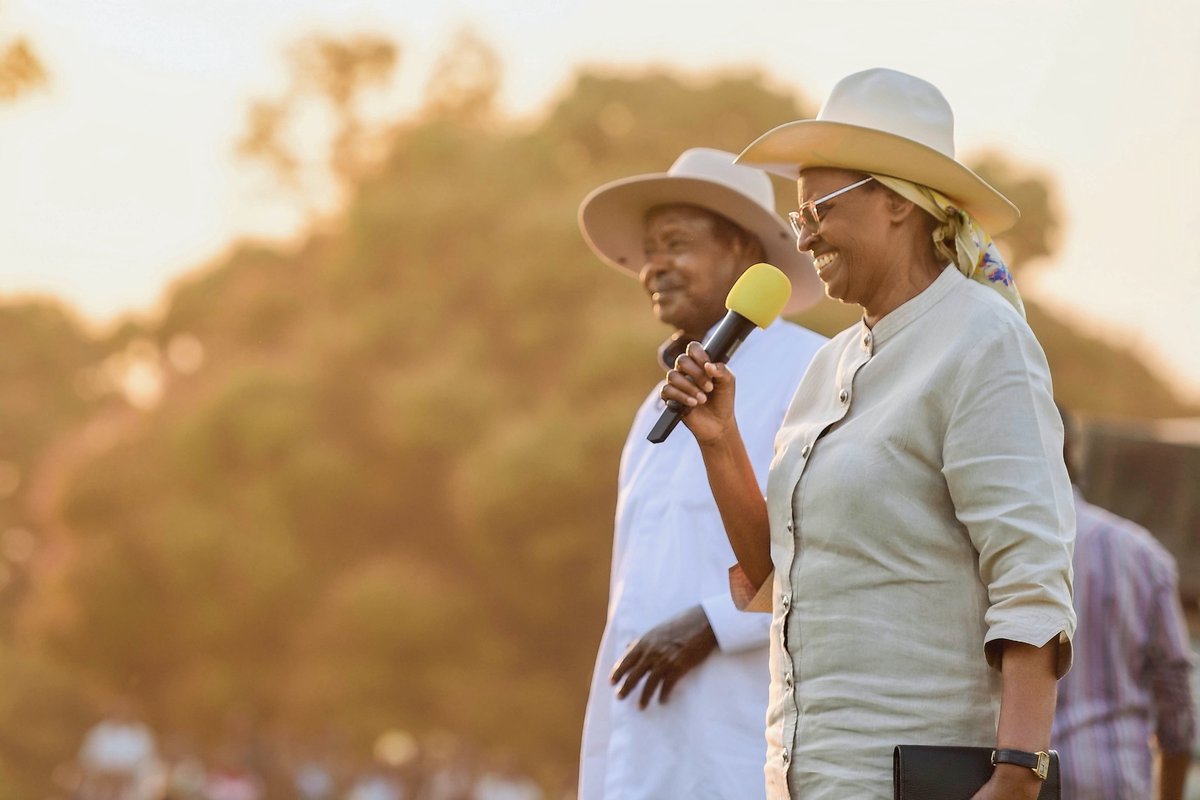
The party also renewed its criticism of First Lady Janet Kataaha Museveni retaining the Education and Sports portfolio, arguing that key challenges in the education sector, including high school fees and unresolved welfare concerns for teachers, remain unaddressed.
With the vetting of ministers-designate beginning before the Parliamentary Appointments Committee chaired by Speaker Jacob Oulanyah Oboth-Oboth, the FDC expressed scepticism about the process, arguing that the ruling party’s dominance in Parliament would limit meaningful scrutiny of nominees.
Centenary concluded by urging Ugandans not to expect significant policy shifts from the new Cabinet, describing it as a continuation of the status quo.
“Ugandans should not expect anything new from this Cabinet. It is the same old story of no change until Ugandans themselves demand real change using means stipulated under the Constitution,” he said.