Uganda, DRC launch joint Ebola response plan to strengthen border surveillance
The partnership is also expected to strengthen emergency preparedness beyond the current outbreak by building sustainable systems for managing future public health threats in the region.
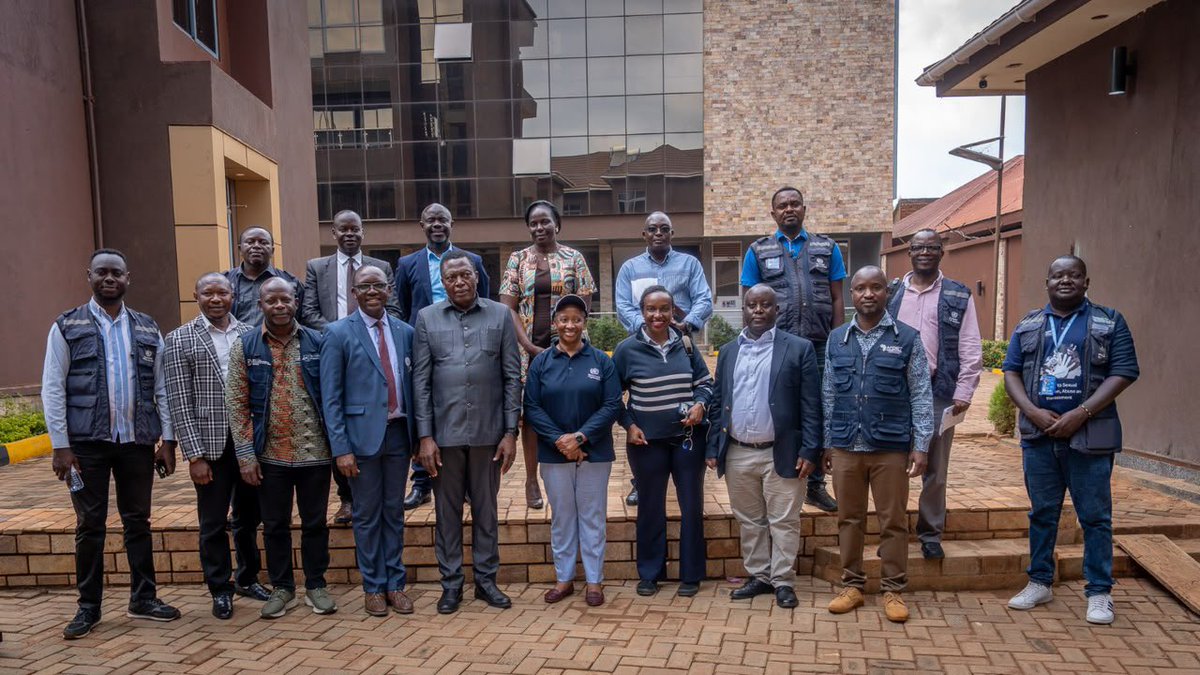
Uganda and the Democratic Republic of Congo (DRC) have launched a joint 90-day cross-border response plan aimed at strengthening surveillance, laboratory capacity and clinical services to contain the ongoing Ebola outbreak and prevent its spread across the two countries.
The initiative was officially launched in the Aru Health Zone in northeastern DRC by health officials from both countries, with support from the World Health Organization.
The programme seeks to enhance disease detection and response mechanisms in border areas through closer collaboration between health authorities, including the sharing of surveillance information, deployment of rapid response teams and establishment of joint laboratory and treatment facilities.
According to the World Health Organization, the plan will begin in Aru and later expand to other strategic locations in the DRC as part of efforts to build stronger cross-border health security systems.
Health officials said the initiative will facilitate the exchange of surveillance data at points of entry and strengthen monitoring of travellers and communities located along the porous Uganda-DRC border.
The plan also provides for the joint deployment of mobile laboratories, Ebola treatment centres and teams of experts from both countries to improve outbreak detection and response.
“The collaboration will strengthen surveillance in border areas and establish joint laboratories and clinical services in several locations across the DRC, starting with Aru,” the WHO said in a statement.
Uganda’s delegation to the launch was led by Charles Olaro, who represented the Ministry of Health.
The Ministry of Health said the initiative is designed to establish laboratory and clinical surge capacity in the DRC while enhancing preparedness and response efforts on both sides of the border.
“The 90-day plan between Uganda and the Democratic Republic of Congo has officially been launched to establish joint laboratory and clinical surge capacity in DRC, starting with Aru, to control the Ebola outbreak,” the ministry said.
Public health experts have long identified cross-border collaboration as a critical component in controlling Ebola outbreaks due to the frequent movement of people between Uganda and eastern DRC for trade, family visits and other social activities.
Previous Ebola outbreaks have demonstrated the importance of coordinated surveillance and rapid information sharing between neighbouring countries to detect cases early and prevent wider transmission.
The latest initiative comes as health authorities continue to intensify efforts to contain the outbreak through surveillance, contact tracing, laboratory testing and community engagement.
Officials say the establishment of joint laboratories and treatment facilities will reduce delays in diagnosis and patient management while improving the overall effectiveness of the response.
The partnership is also expected to strengthen emergency preparedness beyond the current outbreak by building sustainable systems for managing future public health threats in the region.
Health authorities in both countries have urged communities in border districts to remain vigilant, report suspected cases promptly and cooperate with health workers involved in surveillance and response activities.
The launch of the joint response plan marks a significant step in regional efforts to combat Ebola and underscores the growing importance of cross-border cooperation in addressing infectious disease outbreaks in East and Central Africa.