Why Uganda’s booming café culture is creating a skills shortage — and how Barista Coffee School and Café is solving it
Industry players say demand for skilled coffee professionals is rising faster than the supply of trained workers, forcing café owners, hotels and restaurants to compete for experienced staff.
Decade ago, Uganda’s coffee conversation was dominated almost entirely by production volumes, export earnings and international commodity prices. Today, however, another side of the industry is rapidly emerging in urban centres. And this is the café economy.
Across Kampala, cafés are multiplying inside malls, business centres, hotels, co-working spaces and residential neighbourhoods as coffee increasingly becomes part of urban lifestyle, business networking and social culture. Young professionals now hold meetings over cappuccinos, students spend hours in coffee lounges with laptops, and tourists increasingly seek authentic Ugandan coffee experiences.
But beneath this booming café culture lies a growing business challenge: a shortage of professionally trained baristas and hospitality workers capable of meeting modern customer expectations.
Industry players say demand for skilled coffee professionals is rising faster than the supply of trained workers, forcing café owners, hotels and restaurants to compete for experienced staff.
That gap is precisely where Barista Coffee School and Cafe is positioning itself — as a vocational institution training a new generation of job-ready coffee professionals for Uganda’s evolving hospitality industry.
Located in Nalukolongo in Kampala’s Lubaga Division, the school offers practical barista training programs covering espresso extraction, milk steaming, latte art, brewing methods, coffee knowledge, customer service and café operations.
According to Emmanuel Mugisha, the Chief Executive Officer of Barista Coffee School and Café, the expansion of Uganda’s café industry has exposed a major shortage of technically skilled workers.
“The café business is growing much faster than many people realise,” Mugisha said during an interview at the school’s training facility. “Every month new cafés, restaurants and hotels are opening, but many employers struggle to find trained baristas who can operate professionally from day one.”
Mugisha says modern coffee consumers are more informed and demanding than before, forcing hospitality businesses to prioritise quality service and consistency.
“Customers today are exposed to international coffee standards through travel and social media,” he explained. “They expect proper espresso, good presentation, customer care and consistency. That means businesses can no longer rely only on untrained workers learning through trial and error.”
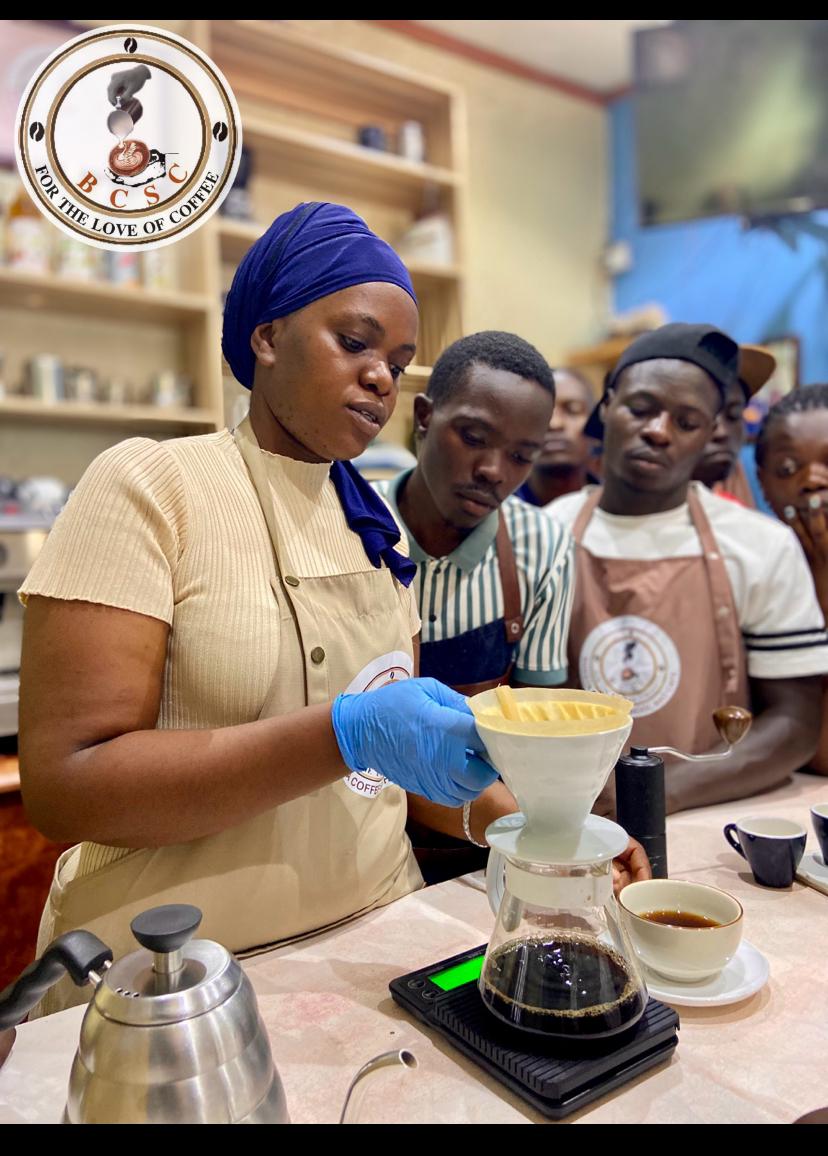
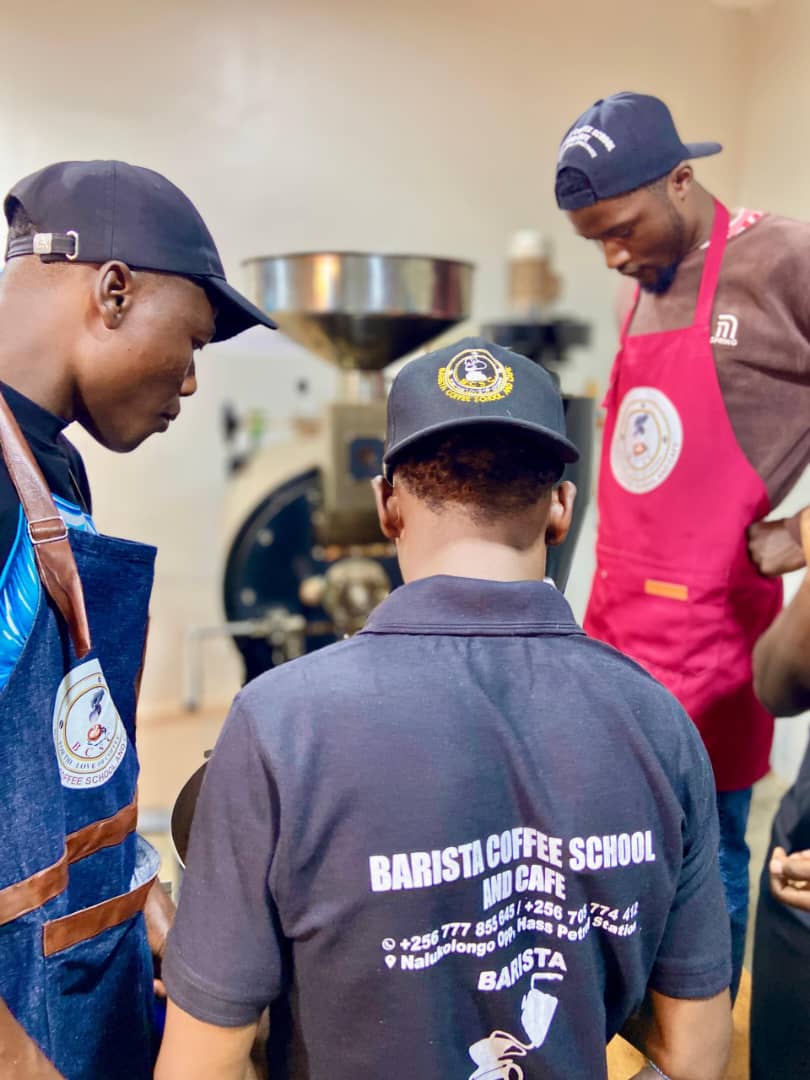
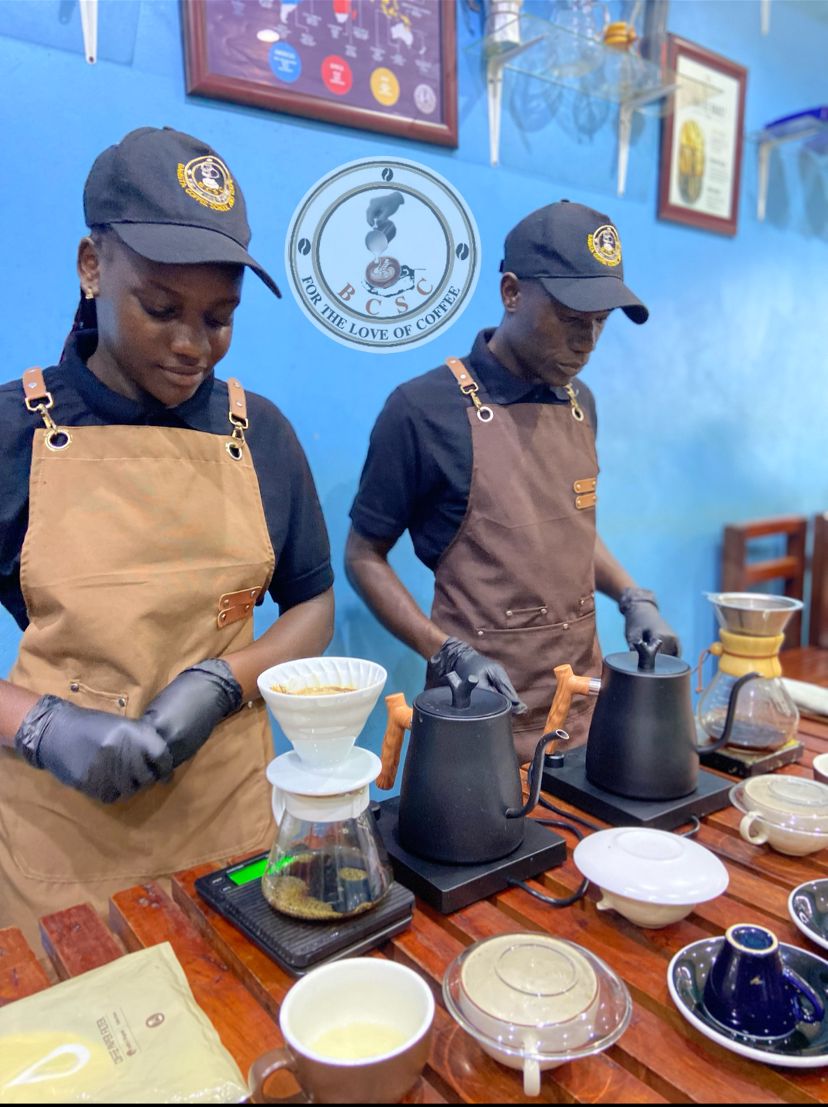
Inside the school’s practical training café, students spend hours rotating between espresso machines, grinders, roasted coffee beans and customer-service simulations designed to reflect real café environments.
For trainee barista Joan Namatovu, the school’s practical approach has changed her understanding of the profession. “Before joining, I thought being a barista was simply making coffee,” she said. “But we learn technical skills, customer handling and even equipment maintenance. The training prepares us for real work situations.”

Another student, Joseph Mukasa, believes the hands-on curriculum gives graduates a competitive advantage in the job market. “Most employers want experience, and this school gives us practical exposure every day,” he explained. “By the time you finish training, you already know how cafés operate professionally.”
Coffee traders say the shortage of skilled baristas affects the entire coffee value chain, particularly as Uganda seeks to strengthen domestic coffee consumption and value addition.
David Katende, a coffee trader supplying cafés in Kampala, says poorly trained workers can damage business reputations even when the coffee itself is high quality.
“You can have excellent Ugandan coffee beans, but if the preparation is poor, customers will not appreciate the product,” Katende said. “Professional baristas are important because they influence how consumers experience the coffee.”
Another trader, Sarah Ahumuza, said the growth of specialty cafés has increased demand for workers with deeper technical understanding. “Customers now ask questions about brewing methods, roast profiles and coffee origins,” she noted. “That requires baristas who are knowledgeable and confident.”
Coffee consumers also say service quality increasingly determines where they choose to spend their money.
“When you enter a café today, you expect more than just coffee,” said coffee consumer Brian Mugerwa. “People want ambience, professionalism and consistency. Skilled baristas are part of that experience.”
Another consumer, Gloria Nansubuga, believes Uganda’s café culture is becoming more sophisticated and competitive. “There are now many cafés in Kampala, so businesses must stand out,” she said. “Customers notice whether coffee is prepared properly or not.”
For many café owners, the shortage of qualified staff has created operational challenges, including inconsistent service quality and high employee turnover as businesses compete for experienced workers.
Mugisha believes vocational institutions have become essential in bridging that gap. “We designed our programs around industry needs,” he said. “Employers want practical competence, confidence and professionalism. Our students train directly with modern equipment and real customer-service scenarios because that is what the market demands.”
The school also offers advanced masterclasses in coffee roasting, sourcing and sensory skills while supplying roasted coffee beans and ground coffee to restaurants, hotels and cafés.
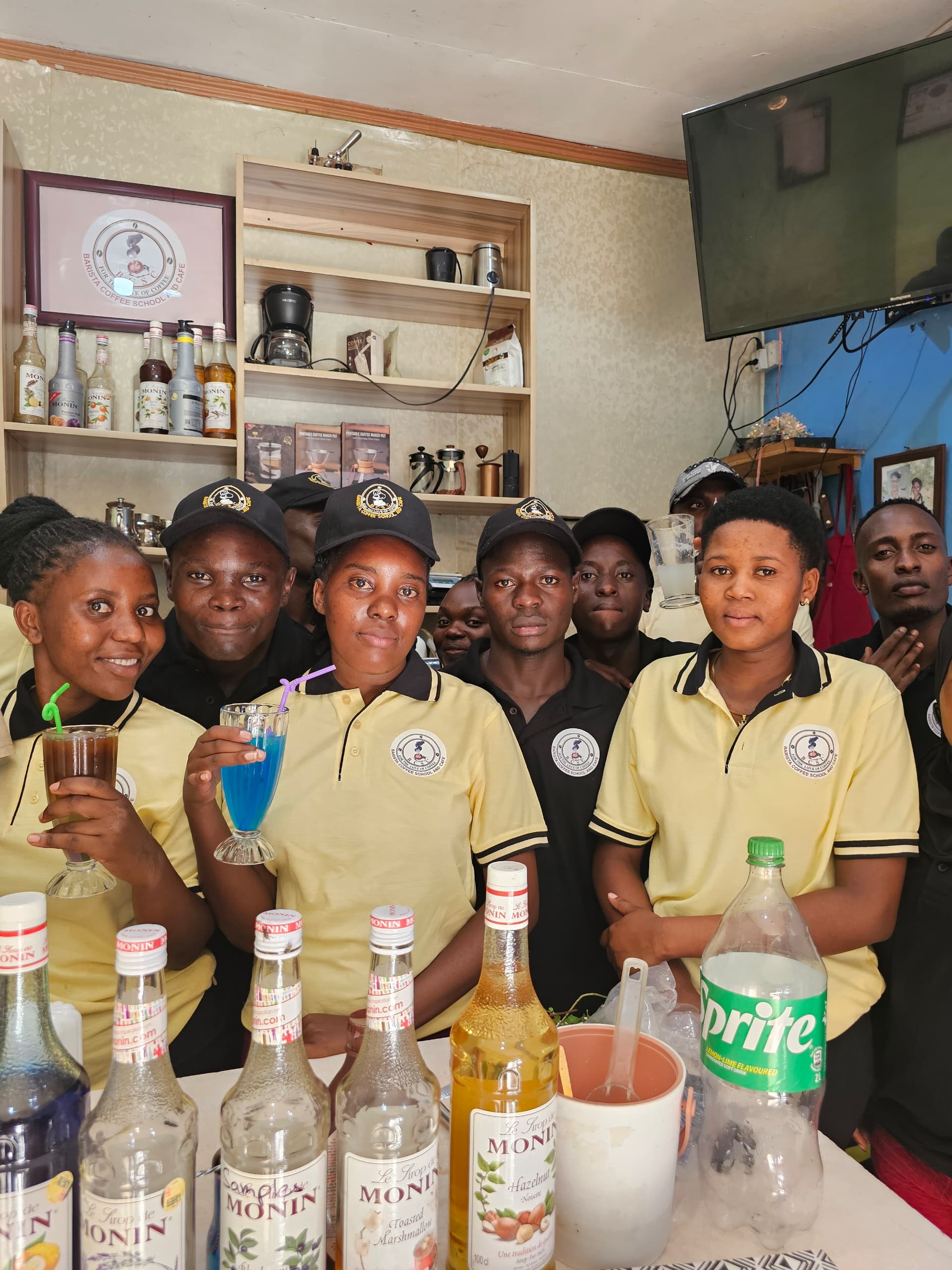
Beyond Uganda, Barista Coffee School and Café is also helping graduates access employment opportunities abroad through partnerships with licensed labour export and recruitment companies, particularly in hospitality markets across Dubai, Saudi Arabia and Kuwait.
Mugisha says the international demand further demonstrates how coffee professionalism is becoming a viable career path for Ugandan youth. “Coffee is no longer just about farming,” he said. “It is now an industry creating opportunities in hospitality, tourism, retail and international employment.”
As Uganda continues positioning itself as a global coffee powerhouse, experts say strengthening the service side of the coffee economy may become just as important as increasing production volumes.
And in the middle of Kampala’s growing café culture, institutions like Barista Coffee School and Café are quietly shaping the workforce behind every professionally prepared cup.