
Premier Keir Starmer announces resignation, Britain set for another change of leadership
In an emotional address outside 10 Downing Street, Starmer acknowledged that he no longer had sufficient backing within his party to lead Labour into the next election.
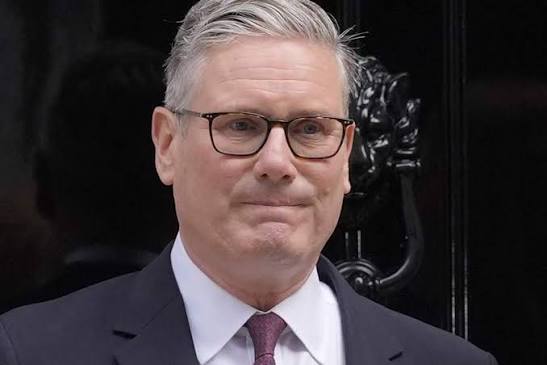
British Prime Minister Keir Starmer has announced that he will step down as leader of the governing Labour Party and resign as prime minister, less than two years after leading the party to a landslide election victory.
The surprise announcement on Monday follows months of mounting pressure from Labour lawmakers amid falling approval ratings, poor election results and growing concerns over the party’s prospects at the next general election.
Starmer said he would remain in office as caretaker prime minister until the Labour Party selects a successor, a process expected to begin in July and conclude before Parliament returns from its summer recess in September.
His resignation paves the way for Andy Burnham, who has emerged as the overwhelming favourite to take over the country’s top political office after securing broad support within Labour ranks.
Burnham’s path to leadership appeared to become even clearer after former health minister Wes Streeting publicly endorsed him and ruled himself out of the leadership contest.
In a statement, Streeting urged Labour members to unite behind Burnham, arguing that the party needed to focus on rebuilding public confidence rather than engaging in a divisive leadership battle.
Starmer’s departure marks another chapter in a turbulent period for British politics. If Burnham assumes office, he will become the seventh British prime minister in roughly a decade, reflecting the political instability that has characterised the years since the United Kingdom voted to leave the European Union in 2016.
The Labour leader swept to power in the 2024 general election with a commanding parliamentary majority, ending years of Conservative rule. However, his government struggled to maintain public support amid economic challenges, policy reversals and growing competition from opposition parties, particularly the right-wing Reform UK movement led by Nigel Farage.
In an emotional address outside 10 Downing Street, Starmer acknowledged that he no longer had sufficient backing within his party to lead Labour into the next election.
He said every decision he had made was intended to put the country first and pledged to support his successor during the transition.
Burnham, a former cabinet minister who most recently served as Mayor of Greater Manchester, has built a reputation as a strong advocate for regional development and local government reform.
His supporters argue that he is better positioned to reconnect Labour with voters who have become disillusioned with the party’s direction.
Political analysts say the leadership transition will be closely watched both at home and abroad, as Britain continues to grapple with sluggish economic growth, high public debt and persistent cost-of-living pressures.
The Labour Party is expected to open nominations for a new leader on July 9, with Burnham widely viewed as the frontrunner to replace Starmer and lead the government into the next phase of British politics.