Museveni’s new cabinet begins five-year agenda with focus on delivery and government coordination
Under Uganda's governance framework, Cabinet serves as the country's highest policy-making body within the Executive, providing strategic direction and approving key government policies, legislation and national programmes.
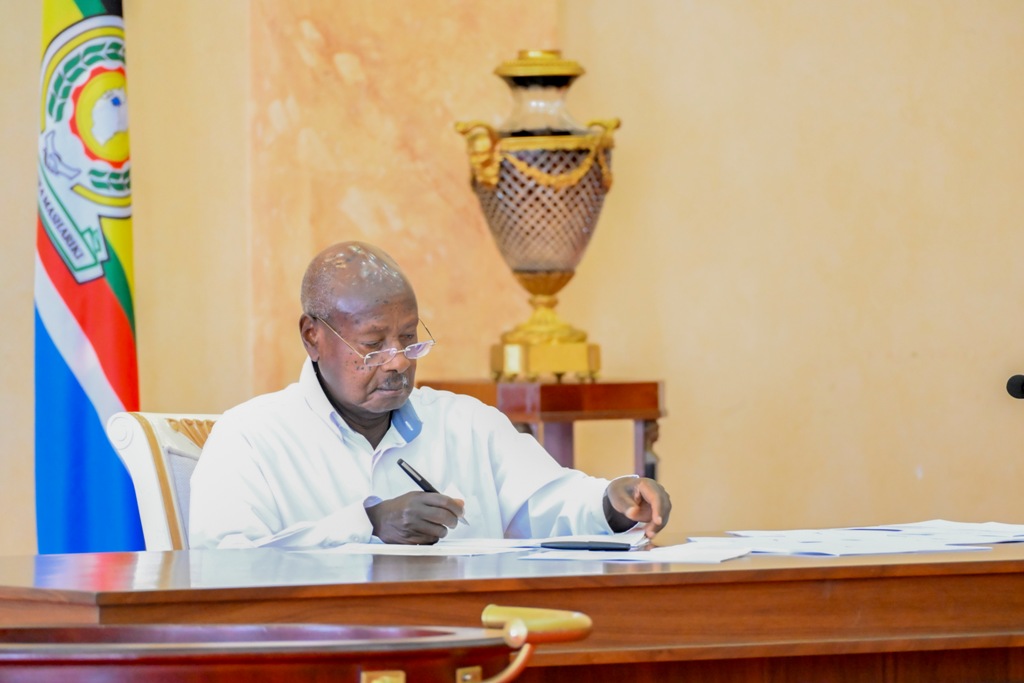
President Yoweri Kaguta Museveni has officially launched the business of Uganda’s new administration after chairing the first Cabinet meeting of the 2026–2031 term, signalling the transition from political campaigns and appointments to the implementation of government programmes.
The inaugural Cabinet meeting, held on Monday, June 29, at State House, Entebbe, marked the beginning of collective decision-making by the newly constituted government following President Museveni’s swearing-in and the appointment of ministers earlier this month.
Coming just weeks after the formation of the new administration, the meeting represents the first major governance milestone of the National Resistance Movement (NRM) government’s new five-year term, setting the tone for policy implementation, service delivery and national development.
The Cabinet session followed a 10-day induction retreat at the National Leadership Institute (NALI), Kyankwanzi, where newly appointed and returning ministers underwent orientation on government priorities, leadership, public service ethics and the strategic direction of the administration.
The retreat, officially opened by President Museveni on June 15, was intended to equip ministers with a shared understanding of the government’s development agenda while strengthening coordination across ministries before the commencement of Cabinet business.
Political observers view the sequence—from the swearing-in of the government to the Kyankwanzi retreat and now the first Cabinet sitting—as an effort to ensure that ministers begin the new term with clear policy direction and collective responsibility for implementing government programmes.
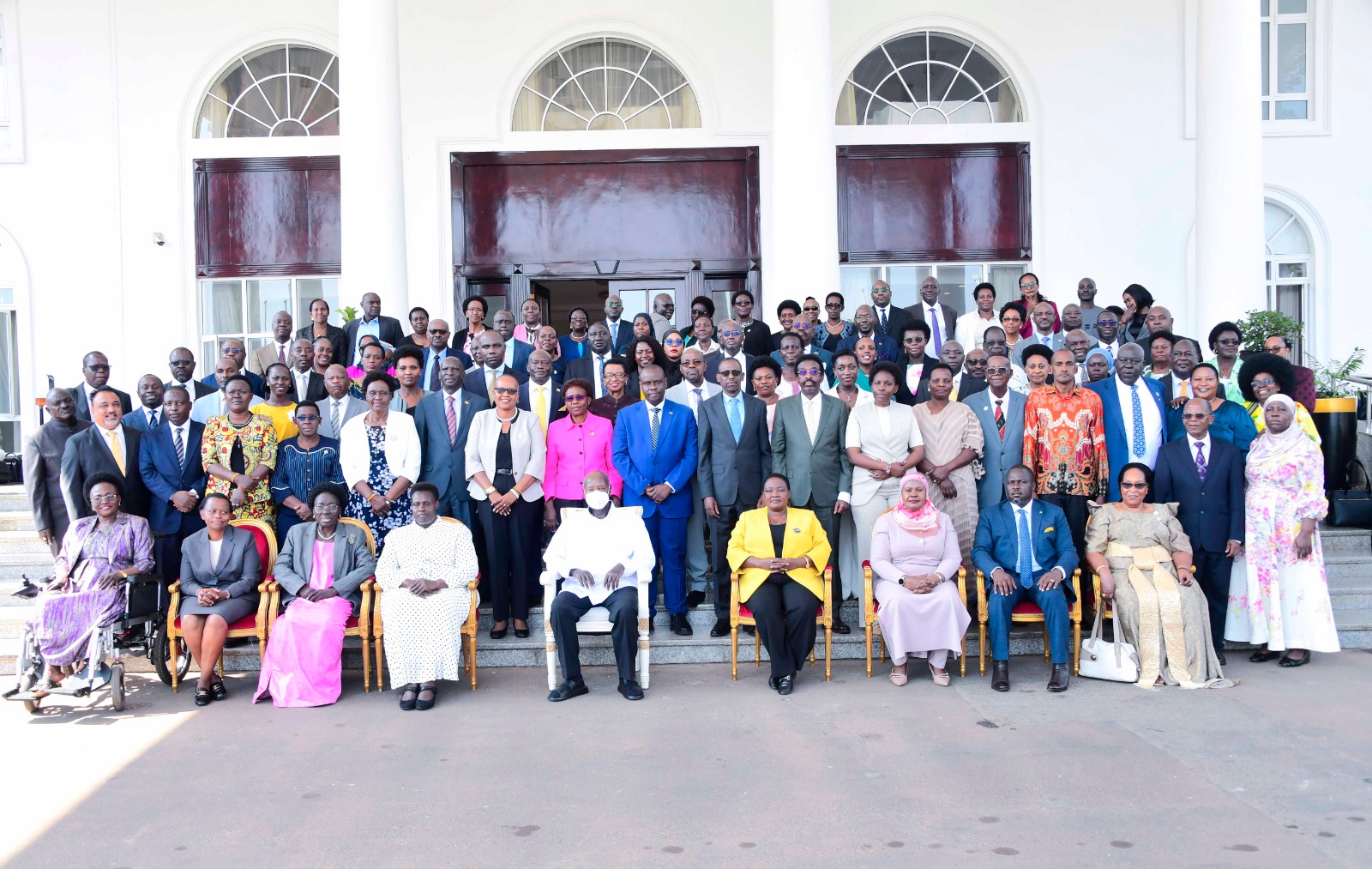
The meeting brought together the country’s top political leadership, including Vice President Jessica Alupo, Prime Minister Robinah Nabbanja, Deputy Prime Ministers, Government Chief Whip Dr. Jane Ruth Aceng, Cabinet Ministers, Ministers of State and senior government officials.
Also present were NRM Secretary General Richard Todwong, Permanent Secretaries from various ministries, Kampala Capital City Authority Executive Director Hajjat Sharifah Buzeki, and Senior Presidential Advisor on Defence and Security Issues Lt. Gen. Proscovia Nalweyiso.
Their attendance underscored the administration’s emphasis on coordination between political leaders and the technical public service responsible for translating Cabinet decisions into programmes and projects across government.
The first Cabinet meeting also signals the operational start of the government’s 2026–2031 development agenda, with ministers expected to oversee the implementation of sectoral priorities ranging from economic transformation and infrastructure development to social service delivery, industrialisation and job creation.
Under Uganda’s governance framework, Cabinet serves as the country’s highest policy-making body within the Executive, providing strategic direction and approving key government policies, legislation and national programmes.
Its mandate is established under Article 111 of the Constitution of the Republic of Uganda, 1995 (as amended), which provides for a Cabinet comprising the President, Vice President, Prime Minister and such number of ministers as the President considers necessary for the efficient running of the State.
Uganda’s current 83-member Cabinet is expected to play a central role in delivering the National Resistance Movement’s manifesto commitments over the next five years, working alongside Parliament, local governments and the public service to implement national development priorities.
With the induction phase now complete, attention shifts from preparation to execution. Ministries will now be expected to translate Cabinet decisions into measurable programmes, accelerate implementation of ongoing government projects and deliver tangible improvements in public services.
For the new administration, the first Cabinet meeting is more than a constitutional requirement, it marks the formal commencement of a new governance cycle in which policy, coordination and accountability will determine the pace of Uganda’s development agenda through 2031.