Principal Judge urges action to improve rehabilitation of children in conflict with the law
Lady Justice Abodo made the call during a visit to Kampiringisa National Rehabilitation Centre (KNRC) in Mpigi District, where she toured the facility, interacted with children undergoing rehabilitation and assessed the challenges affecting the centre.
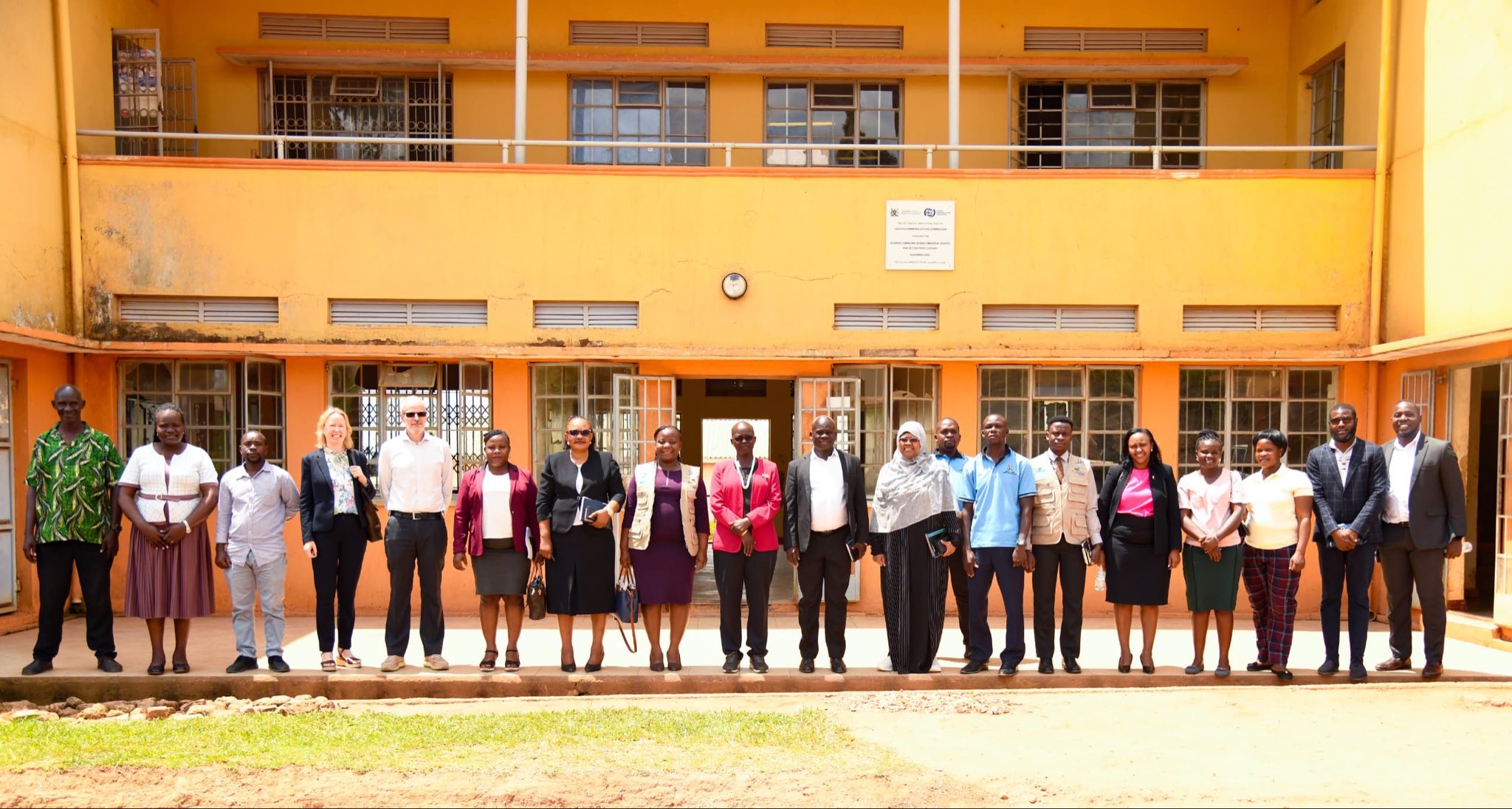
The Principal Judge, Lady Justice Jane Frances Abodo, has called for urgent action by government and justice-sector stakeholders to improve the welfare, rehabilitation, and reintegration of children in conflict with the law.
Lady Justice Abodo made the call during a visit to Kampiringisa National Rehabilitation Centre (KNRC) in Mpigi District, where she toured the facility, interacted with children undergoing rehabilitation and assessed the challenges affecting the centre.
“We should now really move from planning to action,” the Principal Judge said, urging government institutions to take greater responsibility in providing essential services needed for the rehabilitation of children under their care.
The visit brought together officials from the Judiciary, Ministry of Gender, Labour and Social Development, Ministry of Justice and Constitutional Affairs, International Development Law Organisation (IDLO), and the Embassy of Sweden, among other stakeholders.
Lady Justice Abodo said the visit was important in helping justice-sector actors and development partners understand the realities of juvenile justice implementation and the conditions under which children are rehabilitated.
She commended KNRC staff for their commitment despite difficult working conditions, emphasizing that children in conflict with the law should be treated with compassion and understanding.
“You need a lot of compassion and patience. Keep looking at them as children, not through the offence that they committed. Look at the child behind that offence. They have stories,” she said.
The Principal Judge noted that the challenges at Kampiringisa highlighted the need for increased government investment in juvenile rehabilitation institutions.
She called upon the Ministry of Finance, Parliament and other relevant institutions to visit rehabilitation centres and make informed decisions on resource allocation, adding that Uganda should not continue relying heavily on donors and well-wishers to provide basic services for children in Government care.
Lady Justice Abodo also challenged judicial officers and justice-sector institutions to consider the best interests of the child when making decisions on sentencing and rehabilitation.
“When you are deciding that you want this child to go to Kampiringisa, you should ask yourself: will it help the child?” she asked.
She said children are still developing and that mistakes made at a young age should not determine their future.
“The mistake they made does not define them. They made that mistake. They can actually change. They can become totally different people,” she said.
The Principal Judge further emphasized the importance of using appropriate language when handling cases involving children, noting that the judiciary refers to them as young offenders rather than accused persons to support a rehabilitative approach.
She said the judiciary would continue working to ensure children’s cases are handled differently, with sentencing decisions focusing on rehabilitation and successful reintegration into society.
Lady Justice Abodo also called for increased use of diversion programmes, especially at police stations, to prevent children from unnecessarily entering the formal justice system and becoming entrenched in it.