Beyond Profit: How UDB is using shs2.26tn to drive Uganda’s economic transformation
For UDB, the next phase of growth will therefore be judged not simply by how much money it lends, but by how effectively that money changes Uganda's economic landscape.
Uganda Development Bank (UDB) is positioning itself for a bigger role in financing the country’s industrial and economic transformation after recording strong growth in assets, lending, profitability and job creation in 2025.
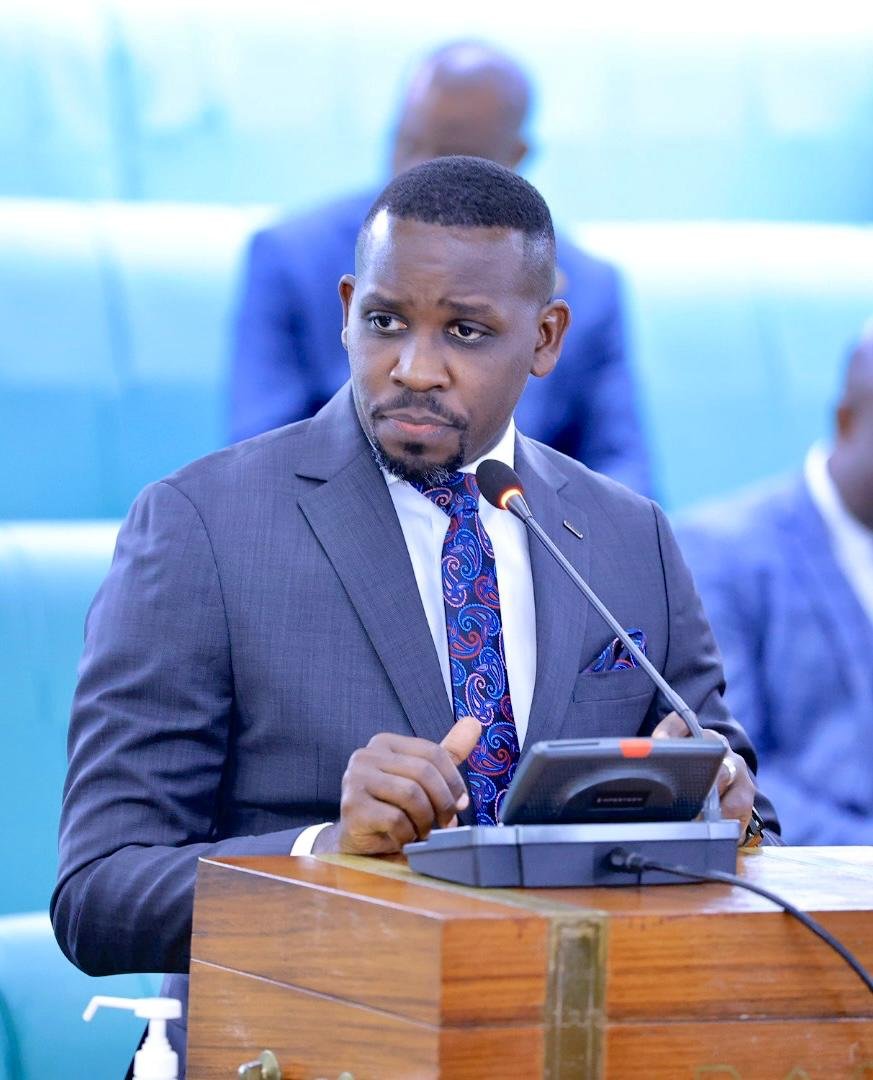
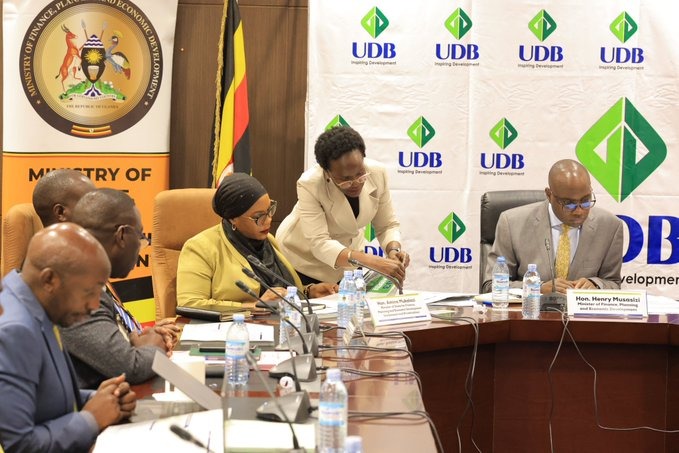
At its Annual General Meeting held at the Ministry of Finance, Planning and Economic Development, Finance Minister Henry Musasizi commended the Bank’s Board and Management for what he described as strong performance, while challenging the institution to ensure that its growing balance sheet translates into measurable economic outcomes.
UDB closed 2025 with total assets of Shs2.26 trillion, up 27% from Shs1.78 trillion in 2024. Net loans and advances increased by 6.6% to Shs1.63 trillion, while gross loans stood at Shs1.77 trillion.
The Bank reported a profit after tax of Shs63.4 billion, representing a 9.7% increase from 2024. Total equity also rose by 24.8% to Shs1.89 trillion.
For a development finance institution, however, the significance of the figures extends beyond profitability.
The central question, Musasizi told the Bank, is whether the capital deployed is creating jobs, expanding productive enterprises, increasing production and strengthening Uganda’s competitiveness.
“Every shilling deployed must translate into jobs, stronger businesses, increased production, exports and Uganda’s economic transformation,” Musasizi said.
From balance-sheet growth to economic impact
UDB’s expansion comes at a time when Government is seeking to accelerate investment in productive sectors as part of its broader ten-fold economic growth strategy.
Agriculture, agro-industrialisation, manufacturing, tourism and infrastructure remain central to this agenda, and Musasizi said UDB has an important role in ensuring development finance reaches businesses capable of generating lasting economic value.
In 2025, nearly two-thirds of UDB financing went to agriculture, agro-industrialisation and manufacturing—sectors that Government considers critical for value addition, productivity, food security and reducing dependence on imported goods.
The Bank approved Shs518.4 billion in new funding for 120 projects during the year, supporting enterprises seeking to expand production, modernise operations, adopt new technologies and compete in domestic and export markets.
Its financing interventions reached 112,392 direct borrowers, while enterprises supported by the Bank created and sustained 69,202 jobs.
The figures offer an indication of how development finance can move beyond conventional lending to influence employment and productive capacity.
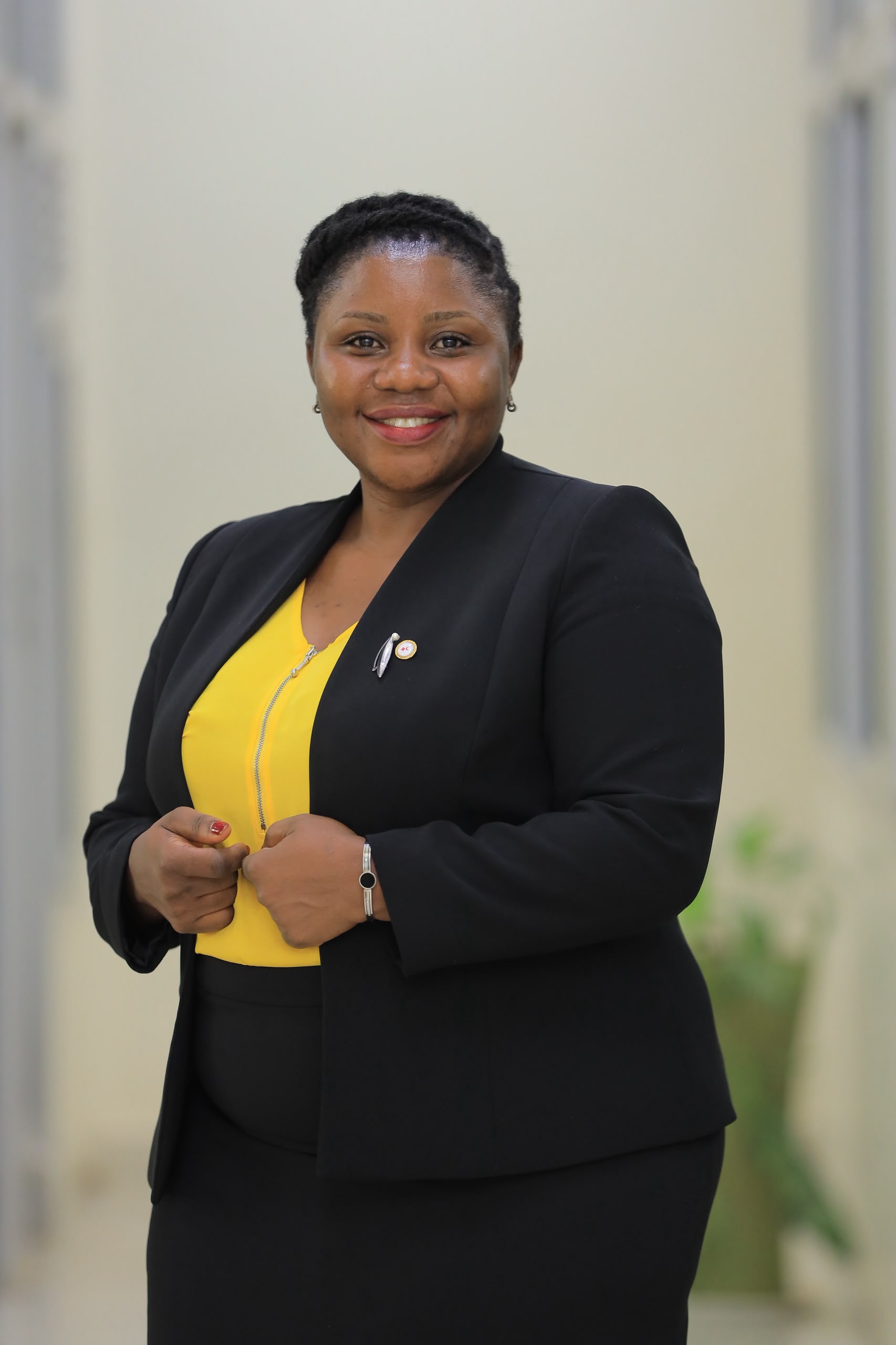
For UDB Managing Director Dr Patricia Ojangole, the Bank’s growing institutional strength gives it greater capacity to provide the patient, long-term capital that many businesses need but may struggle to obtain from conventional commercial lenders.
“Development finance delivers its greatest value when it unlocks opportunities that commercial markets alone cannot provide,” Ojangole said.
She said the Bank’s growth was strengthening its ability to finance businesses that generate employment, increase exports and expand domestic production.
The cost of capital challenge
Despite the positive performance, the Government wants UDB to deepen its role in addressing one of the longstanding constraints facing Ugandan businesses: the cost and availability of long-term finance.
Musasizi urged the Bank to provide affordable and patient credit to manufacturers, small and medium enterprises and other productive businesses.
Government is pursuing single-digit interest rates as part of efforts to lower the cost of capital and improve the competitiveness of Ugandan industry.
For manufacturers investing in machinery, technology and production capacity, access to affordable long-term capital can determine whether an expansion plan becomes a viable business or remains on paper.
UDB’s mandate therefore places it in a different position from conventional commercial banks, with the institution expected to finance investments whose economic and social returns may extend beyond immediate financial returns.
But Musasizi also cautioned that development finance must be accompanied by disciplined project appraisal and prudent financial management.
He called for stronger appraisal of projects, greater focus on priority sectors and improved
Building a stronger funding base
UDB’s rapid asset growth has been supported by increased Government capitalisation and financing from development partners.
While acknowledging Government’s continued commitment to the Bank, Musasizi said UDB must progressively diversify its sources of funding and reduce excessive dependence on Government capitalisation and external credit lines.
He urged the Board and Management to develop a clear strategy for alternative capital formation, including domestic and international resource mobilisation, strategic partnerships and, where appropriate, capital market instruments.
The challenge is to build an institution that can simultaneously deliver development impact and maintain financial resilience.
Board Chairman Geoffrey T. Kihuguru said the Bank was responding by adopting a more proactive model focused on developing bankable projects, de-risking investments, supporting enterprises and mobilising private capital.
“The Bank’s 2025 results demonstrate that strong governance and prudent stewardship can go hand in hand with development impact,” Kihuguru said.
He said UDB was building a resilient institution capable of sustainably financing Uganda’s productive sectors for generations to come.
From financing businesses to developing projects
One of UDB’s strategic shifts is to become more proactive in developing investment opportunities rather than simply waiting for businesses to submit loan applications.
The Bank launched RISE—Reshaping Industry for Sustainable Economy—a platform designed to turn development challenges into viable, investment-ready and fundable projects.
This approach reflects a recognition that one of the constraints to development finance is not only a shortage of capital, but also a shortage of well-prepared projects capable of absorbing that capital effectively.
By helping businesses develop bankable projects, UDB hopes to bridge the gap between available financing and investment opportunities.
The Bank also hosted the inaugural Uganda Development Finance Summit in 2025, bringing together more than 500 policymakers, industry leaders and local and international partners to discuss the role of development finance in Uganda and Africa.
These initiatives point to a broader ambition: using UDB as a platform for connecting capital, enterprise and investment opportunities.
Stronger ratings, stronger expectations
The Bank’s financial performance has also been accompanied by external recognition.
In 2025, UDB secured an AA+ (Uga) national rating from Fitch Ratings, the highest available on Uganda’s national scale, while maintaining an A+ rating from the African Association of Development Finance Institutions.
The Bank also received the Outstanding Business Sustainability Achievement Award at the 2025 Karlsruhe Sustainable Finance Awards in Germany and retained Level 5 SSCI certification, the highest level of sustainability excellence.
For UDB, these achievements strengthen its credibility among investors and development partners.
They also raise expectations.
As its balance sheet grows, the Bank is under increasing pressure to demonstrate that financial strength is translating into economic transformation.
Uganda’s economy grew by 6.3% in 2025, while inflation declined to 3.3%, creating a more favourable environment for investment and business activity.
Against this backdrop, UDB’s next challenge will be to convert its financial capacity into a wider pipeline of productive investments.
The Bank’s 2025 performance suggests that it has strengthened the platform to do so. But the Government’s message at the AGM was clear: the ultimate measure of development finance is not the size of the balance sheet alone.
It is the number of viable businesses created and strengthened, the jobs generated, the factories and farms expanded, the exports increased and the productive capacity added to the economy.
For UDB, the next phase of growth will therefore be judged not simply by how much money it lends, but by how effectively that money changes Uganda’s economic landscape.