Ggoobi seeks billions of dollars in long-term financing for Uganda’s infrastructure
For Uganda, the key test will be whether the proposed funding translates into productive infrastructure capable of stimulating private investment and supporting the government's ambitious economic growth agenda without placing excessive pressure on public debt.

Uganda is seeking billions of dollars in long-term financing for priority infrastructure projects as the government pursues its Tenfold Growth Strategy to expand economic output, boost exports and create jobs.
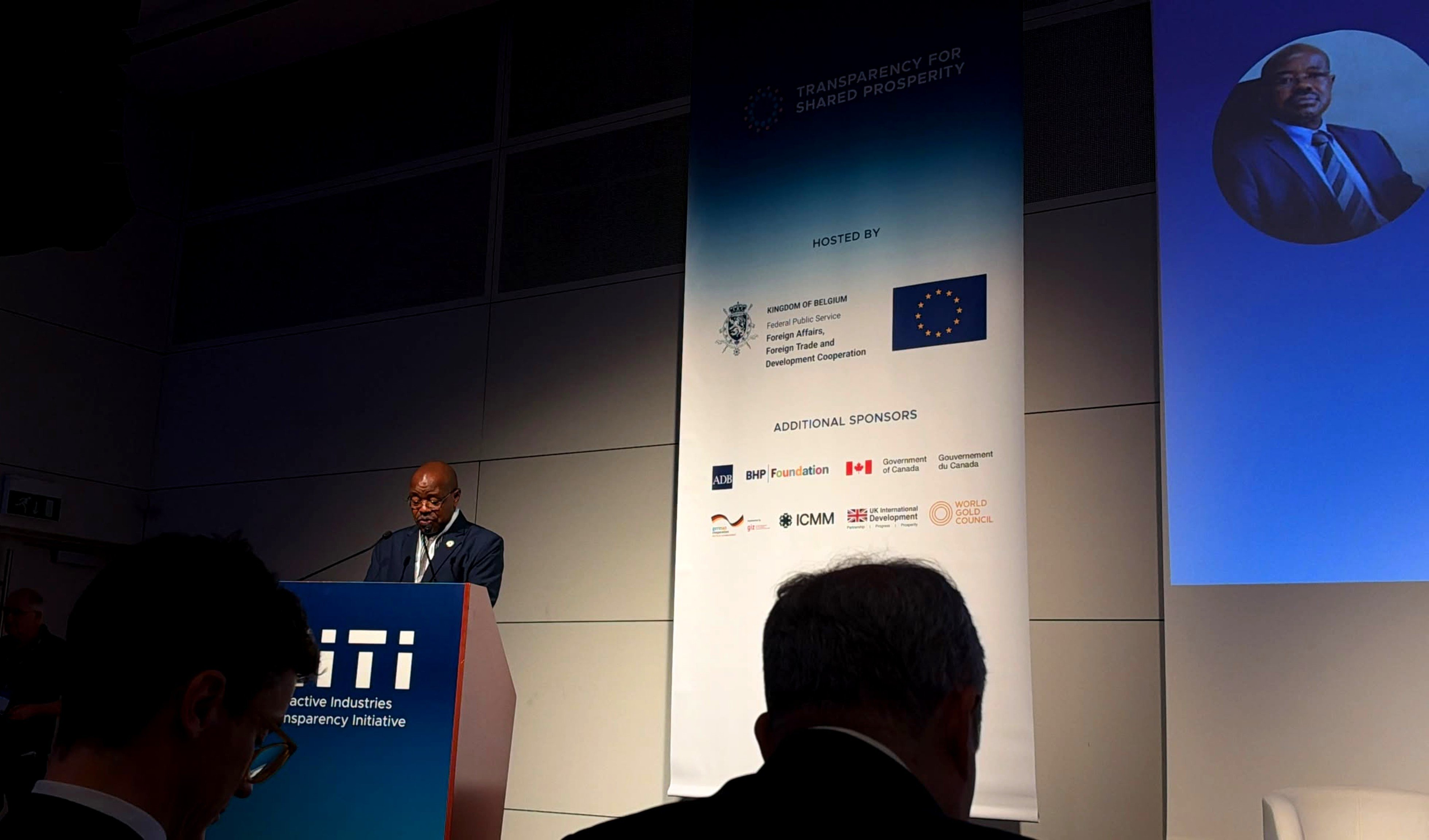
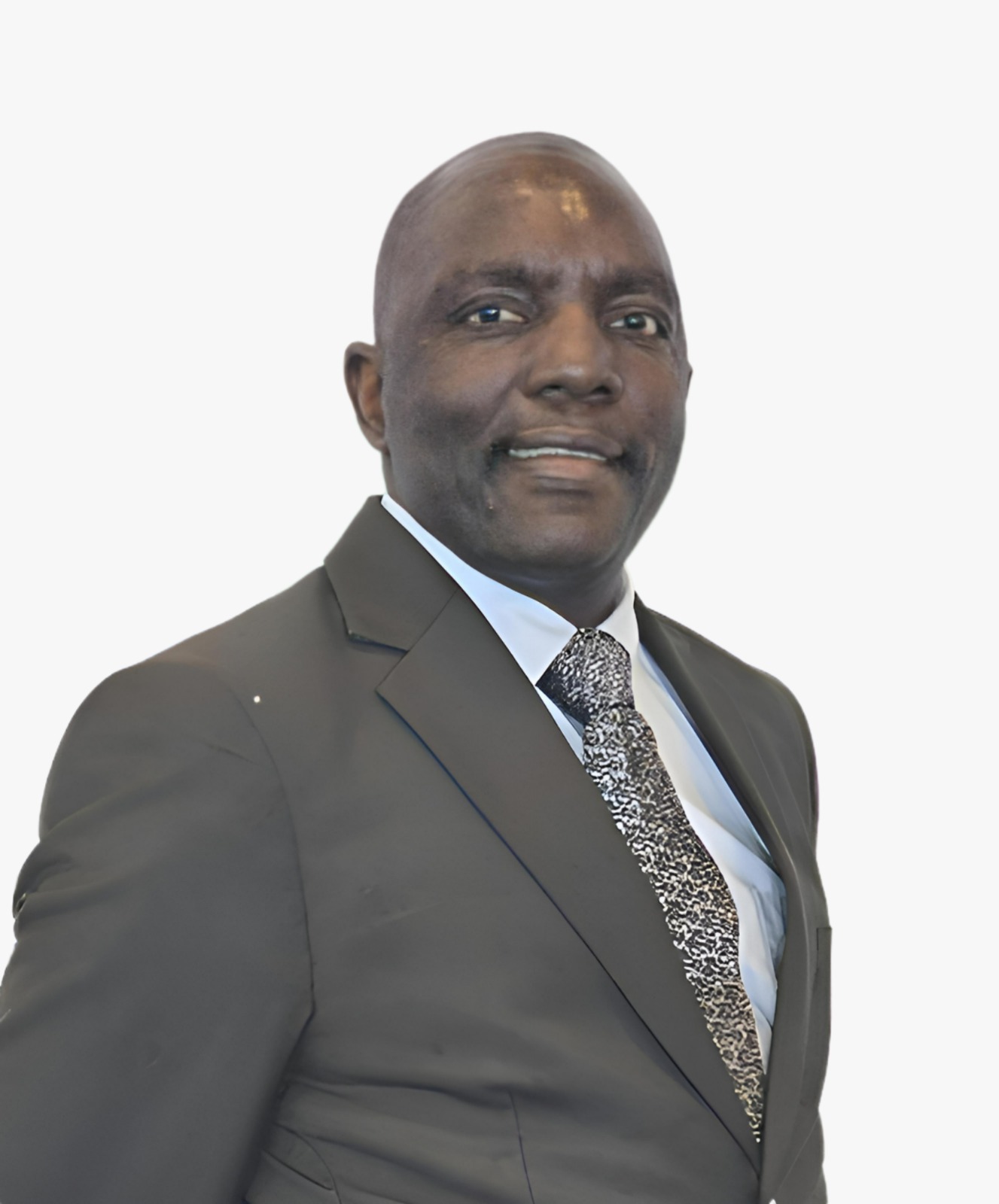
Permanent Secretary and Secretary to the Treasury (PSST) Ramathan Ggoobi concluded high-level talks in London, United Kingdom, with international lenders, European export credit agencies (ECAs) and multilateral partners to mobilise affordable financing for major development projects.
The proposed investments cover the Standard Gauge Railway, electricity transmission, commercial irrigation, strategic road networks, healthcare infrastructure and industrial manufacturing.
According to the Ministry of Finance, the discussions focused on securing competitively priced, long-term credit and guarantees to attract private capital and reduce the cost of financing infrastructure.
Potential World Bank-backed financing arrangements were also explored, alongside engagements with Standard Chartered Bank, Citibank, the World Bank and European export credit agencies.
The financing drive comes as Uganda seeks to expand productive infrastructure to lower the cost of doing business, improve market access and strengthen the competitiveness of locally produced goods in regional and international markets.
Long-term financing could help spread the cost of major infrastructure investments over extended periods, easing immediate funding pressures. However, the economic benefits will depend on the affordability of the loans, project viability and the government’s ability to manage repayment obligations.
Ggoobi emphasised that the funds mobilised must translate into completed projects that generate measurable economic returns, create employment and strengthen Uganda’s export capacity while safeguarding long-term debt sustainability.
He also met portfolio investors and encouraged them to increase their investments in Uganda, citing the country’s macroeconomic performance and potential returns.
The PSST was accompanied by Juvenal Muhumuza, Commissioner for Development Assistance and Regional Cooperation at the Ministry of Finance.
The parties agreed on next steps to advance the priority projects through technical appraisal, negotiations on financing terms and the necessary approvals.
The outcome of these processes will determine the scale, cost and timing of the financing available for the projects.
For Uganda, the key test will be whether the proposed funding translates into productive infrastructure capable of stimulating private investment and supporting the government’s ambitious economic growth agenda without placing excessive pressure on public debt.