
Construction of pipeline to export crude oil enters final stretch but Uganda must ensure production systems are ready
Crude produced in Uganda’s Albertine Graben must move through the 1,443-kilometre heated pipeline before reaching the Marine Tanks Terminal in Tanga, where it will be stored and prepared for export.
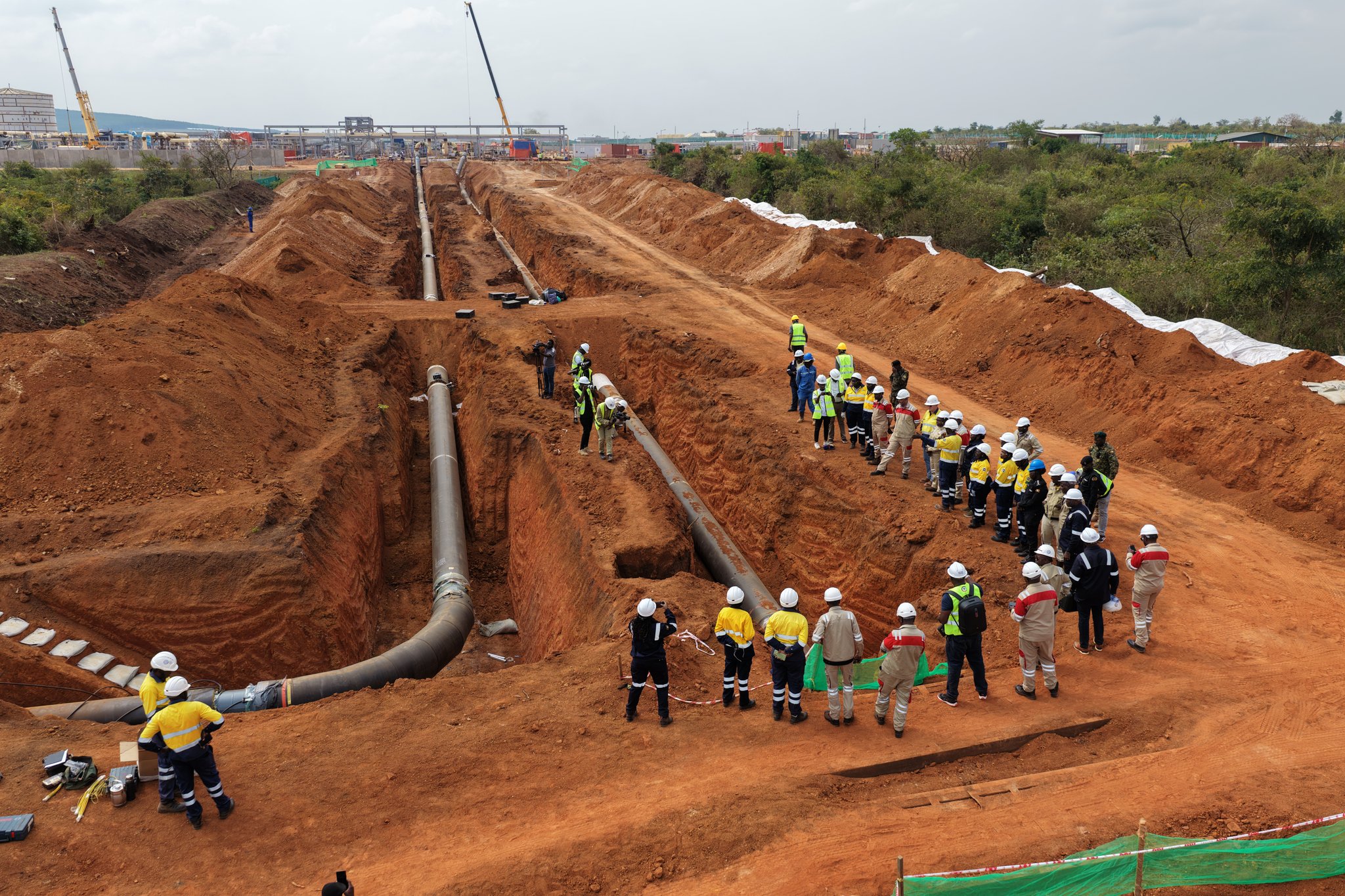
Uganda’s oil project is entering a decisive phase as the East African Crude Oil Pipeline (EACOP) approaches 93% completion.
This milestone shifts the focus from construction to the more complex task of testing, commissioning and integrating the infrastructure that will carry Uganda’s crude to global markets.
The latest progress assessment comes as Uganda and Tanzania intensify oversight of the $5 billion-plus pipeline, whose successful commissioning is central to Uganda’s ambition to become an oil-exporting country.
The development also highlights a critical reality for Uganda’s oil economy: having crude in the ground is only one part of the equation.
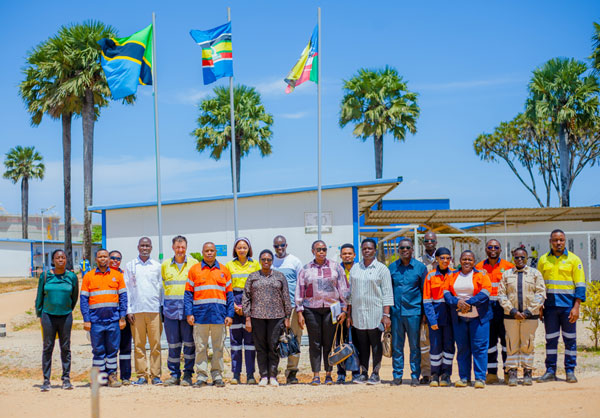
The country must now ensure that the pipeline, storage facilities, pumping stations, export terminal and upstream production systems are ready to operate as one system.
Auditors take stock of a project nearing completion
EACOP recently hosted Tanzania’s Controller and Auditor General, Charles E. Kichere, and Uganda’s Auditor General, Edward Akol, alongside their delegations, for an inspection of the Marine Tanks Terminal (MTT) and Spread 16 in Tanga.
The visit gave the two countries’ top public audit officials an opportunity to inspect the infrastructure and assess the scale of investment committed by the governments of Uganda and Tanzania, together with their affiliated shareholders.
The delegation commended the partnership between the two countries and acknowledged the progress made on the project, including its reported contribution to communities along the development corridor.
With overall project progress estimated at about 93%, the auditors described the achievements as significant and expressed anticipation for First Oil in early 2027.
Their assessment is important because EACOP has moved beyond being primarily a construction project. At this stage, the emphasis is increasingly on whether the completed infrastructure can be safely and efficiently integrated into a functioning crude-export system.
From construction to commissioning
The remaining 7% of the project may be disproportionately important.
At 93% completion, the headline construction figure suggests that EACOP is close to the finish line. But the final stage of a large energy infrastructure project typically involves systems testing, commissioning, safety verification, regulatory approvals and coordination between multiple facilities and operators.
For EACOP, these tasks stretch across Uganda and Tanzania.
Crude produced in Uganda’s Albertine Graben must move through the 1,443-kilometre heated pipeline before reaching the Marine Tanks Terminal in Tanga, where it will be stored and prepared for export.
That means readiness cannot be measured simply by kilometres of pipeline installed or buildings completed. The entire chain must work together, from the oil fields and gathering systems to pumping stations, the pipeline, storage tanks, metering systems and marine loading facilities.
Tanga becomes Uganda’s gateway to global markets
The Marine Tanks Terminal is particularly significant to Uganda because it represents the final physical link between the country’s oil fields and international buyers.
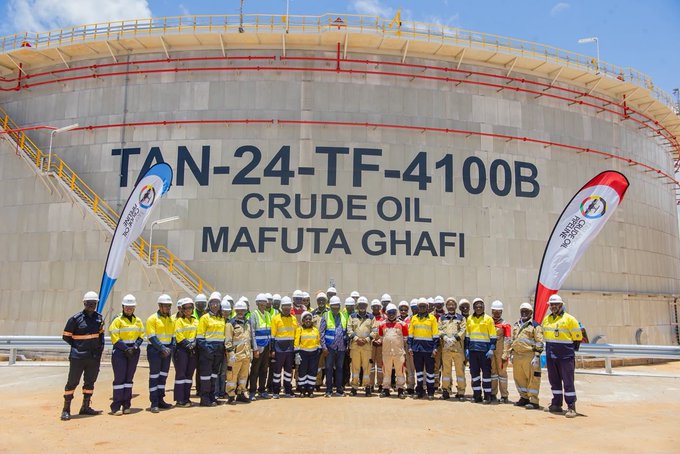
Located on Tanzania’s Indian Ocean coast, the terminal will receive Uganda’s crude after its journey across the two countries.
The investment in Tanga therefore extends the economic footprint of Uganda’s oil industry beyond the Albertine region. It also makes Tanzania a strategic partner in Uganda’s access to international petroleum markets.
The cross-border nature of EACOP means that the commercial success of Uganda’s petroleum industry will depend partly on the continued operational and institutional cooperation between Kampala and Dodoma.
Accountability becomes more important
The inspection by the two Auditors General also brings the question of accountability into sharper focus as the project approaches commercial operations.
The governments and project shareholders have committed substantial resources to EACOP and associated oil infrastructure. As construction winds down, attention is likely to shift increasingly towards whether the investment delivers the expected economic benefits, operates efficiently and meets its financial and environmental obligations.
The auditors’ firsthand inspection provides an opportunity to connect financial and institutional oversight with the physical progress of the project.
It also comes at a time when Uganda is preparing for the broader economic implications of becoming an oil producer, including the management of petroleum revenues, local content, infrastructure development and investment in the wider economy.
The first-oil clock
EACOP’s reported 93% completion places the project firmly in its final phase, but the differing references to December milestones and First Oil in early 2027 underscore the importance of distinguishing between pipeline readiness and actual commercial production.
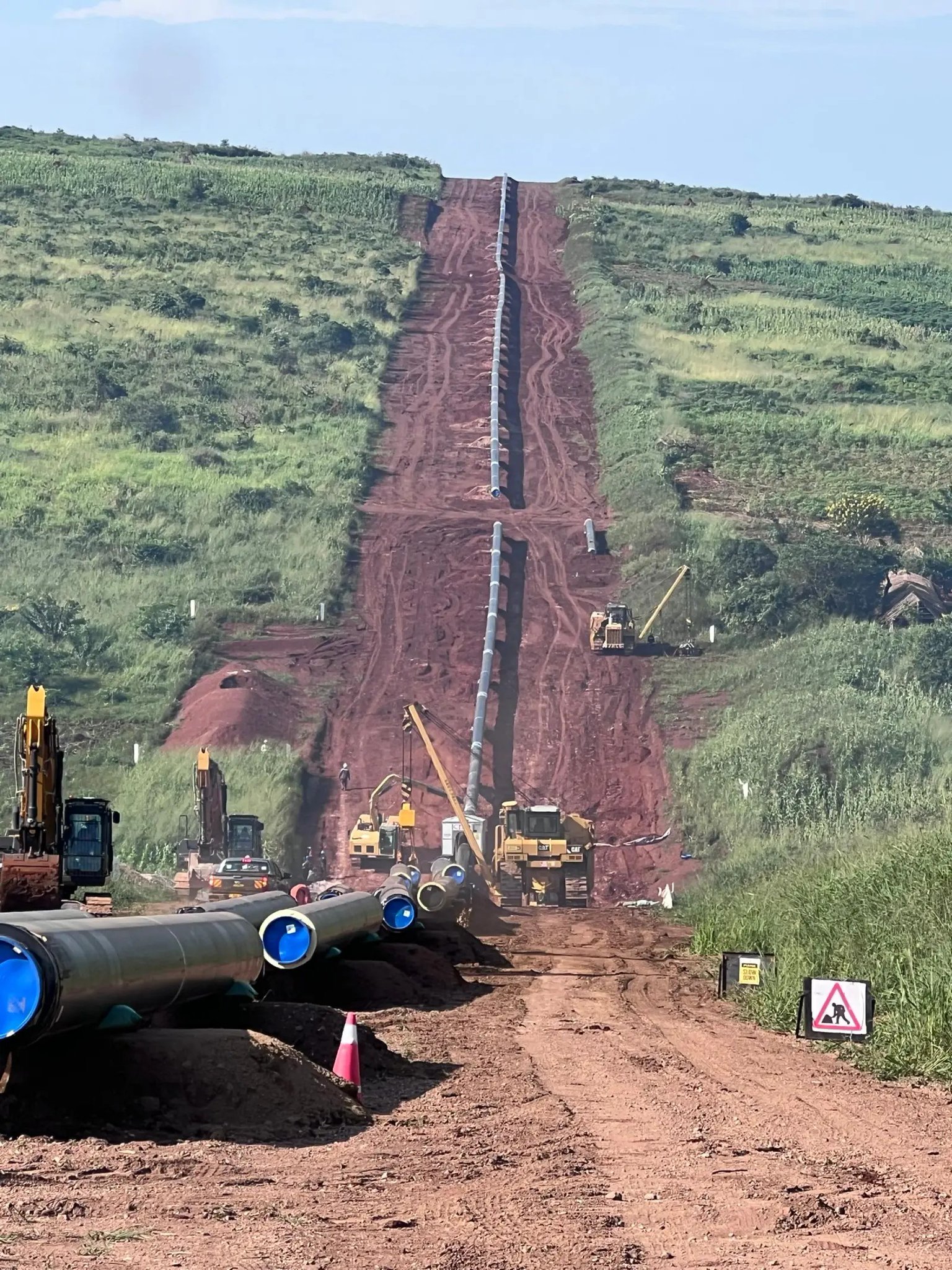
A pipeline can be ready to receive crude without the entire upstream production system being ready to produce at commercial scale.
For Uganda, therefore, the critical milestone is not simply completion of EACOP construction, but the successful synchronisation of the entire petroleum value chain.
That is what will determine when crude can move from the Albertine fields through Tanzania and ultimately onto tankers at Tanga.
Beyond the pipeline
If successfully commissioned, EACOP will transform Uganda’s economic relationship with its petroleum resources by providing the export infrastructure required to monetise the country’s crude.
But the project’s economic significance will ultimately be measured beyond the pipeline itself.
Uganda will have to convert oil revenues and associated investments into broader economic value through industrialisation, infrastructure, skills development, local enterprise participation and prudent management of petroleum revenues.
For now, the 93% completion figure signals that the physical infrastructure is approaching maturity.