Bank of Uganda warns excessive domestic borrowing could crowd out private sector
Atingi-Ego's call for annual debt-risk assessments and greater scrutiny of the domestic financing strategy is intended to strengthen that balance as Uganda manages its FY2026/27 financing requirements.
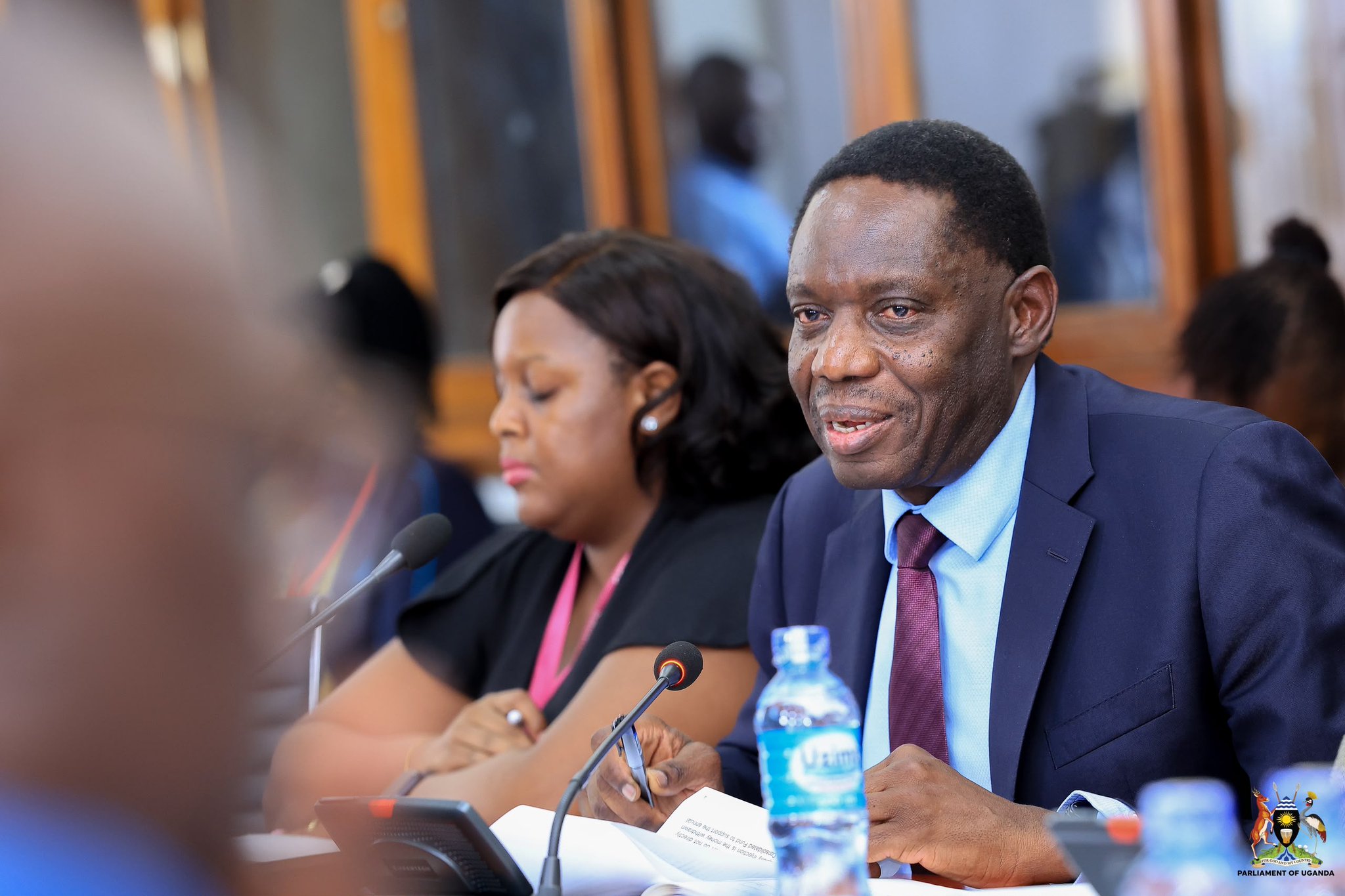
Bank of Uganda Governor Dr Michael Atingi-Ego has warned government against exceeding its planned domestic borrowing, saying excessive borrowing could push up interest rates and restrict access to credit for private businesses.
Atingi-Ego told Parliament’s Committee on Budget, chaired by Gabriel Okumu, that Uganda’s domestic financial market has the capacity to absorb the government’s planned Shs12.7 trillion borrowing for the current financial year.
However, he cautioned that borrowing beyond the projected level could increase pressure on the domestic credit market, raising the cost of funds and potentially crowding out private-sector borrowers.
The warning comes as private-sector credit continues to expand, growing 16.1% year-on-year to June 2026, according to Bank of Uganda.
BoU wants borrowing kept in check
Atingi-Ego said the planned borrowing level could be accommodated by the domestic market, but stressed the need for fiscal discipline to prevent government financing requirements from putting excessive pressure on available liquidity.
Higher government demand for domestic financing can increase competition for funds, potentially pushing up interest rates and making borrowing more expensive for businesses and households.
Okumu also cautioned Parliament’s Budget Committee and the National Economy Committee against allowing heavy government borrowing to undermine private-sector access to credit.
The concern is particularly relevant as Uganda seeks to sustain private-sector investment and economic growth, with businesses depending on commercial banks and other financial institutions to finance expansion, working capital and investment.
Debt path under review
The BoU Governor also called for a review of Uganda’s fiscal debt path, particularly for FY2026/27, arguing that projections under the Charter for Fiscal Responsibility could become difficult to achieve if the debt base used for planning is inconsistent with current debt figures.
BoU officials told the committee that risks to the country’s debt trajectory should be assessed annually rather than treated as a one-off exercise.
They also proposed that the fiscal framework require government to report annually on its domestic financing strategy and its impact on private-sector credit.
Such reporting, the central bank officials said, would provide Parliament and policymakers with a clearer picture of how government borrowing is affecting financial markets and the availability and cost of credit to the private sector.
Balancing public financing and private investment
The discussion highlights the challenge facing fiscal policymakers as government seeks to finance public programmes while maintaining adequate credit flows to businesses.
Domestic borrowing provides government with a source of financing in the local market, but excessive reliance on it can increase competition for available funds.
For the private sector, sustained credit growth is important for investment, business expansion and job creation. BoU’s latest warning therefore puts emphasis on maintaining a balance between government financing needs and the broader economy’s demand for credit.
Atingi-Ego’s call for annual debt-risk assessments and greater scrutiny of the domestic financing strategy is intended to strengthen that balance as Uganda manages its FY2026/27 financing requirements.