Where Is The Inspector? Uganda’s schools don’t need another memo
Public education used to be the great equaliser, a place where children met each other without class barriers.
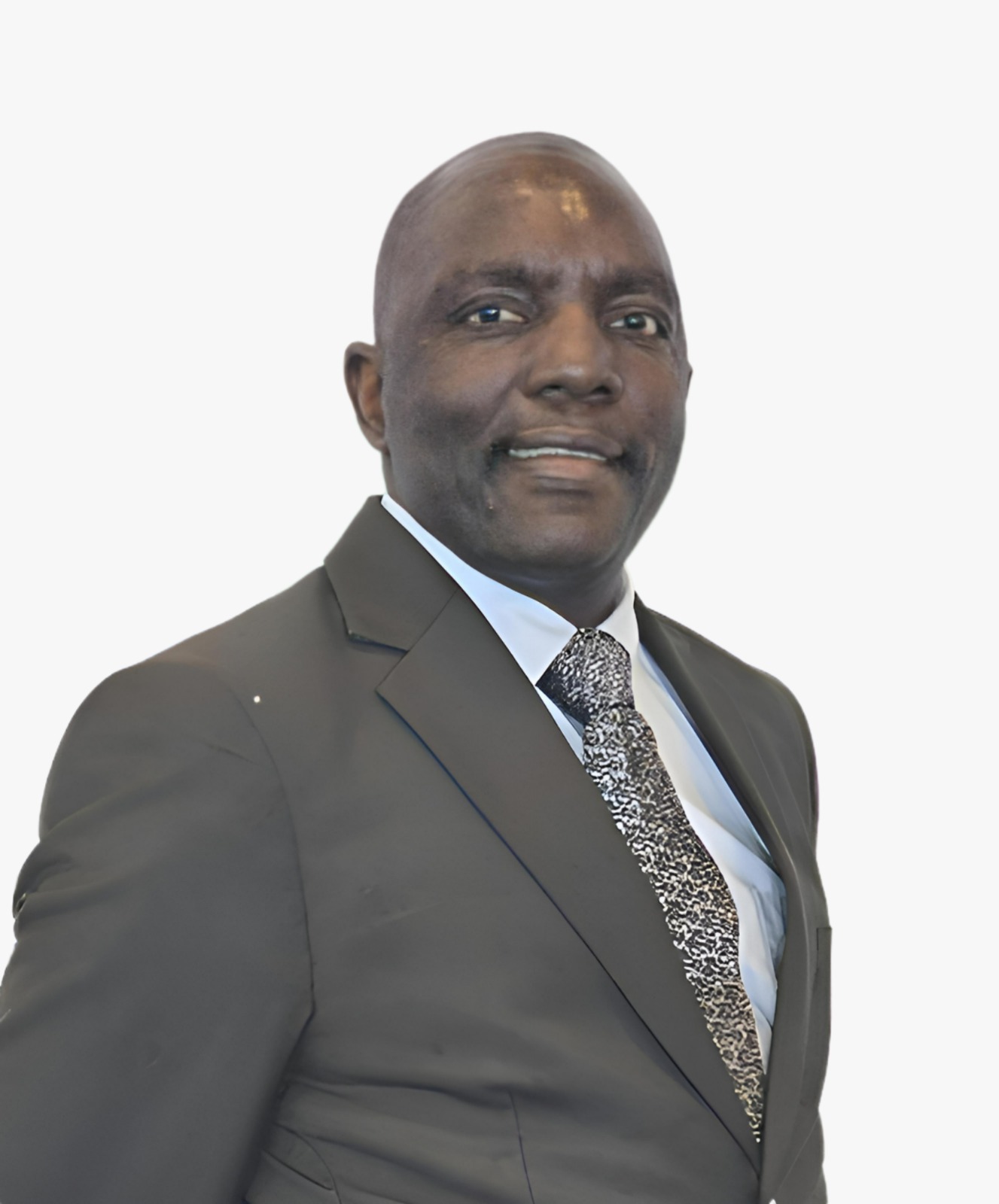
By Norman Katende
There are lessons life teaches you only in a classroom, and one of mine came in Senior Two at Kakira SS.
Our Computer Science teacher had filled our exercise books with confidence. We could recite commands, describe hardware, and explain algorithms on paper like seasoned engineers. Then one afternoon, an actual computer was wheeled into the room.
We froze. The commands that had lived so comfortably in our notebooks suddenly felt like strangers.
We had learned computers as theory, and theory, it turns out, evaporates the moment you meet the machine.
That gap between knowing and doing is one I have never forgotten. I think of it every time I see photos of a “government-aided” school with a roof caving in.
Recently, the Minister for Local Government, Balaam Barugahara, visited Asinge Primary School in Kamuli and was visibly shaken by what he found: crumbling walls, a building on the verge of collapse.
This was a school the government itself had recognised, having supplied it with blackboards and desks. “It is unfortunate,” he said, staring at the wreckage.
In response, the ruling party issued a memo instructing its national coordinators to report on the condition of schools countrywide.
It’s a fine idea. But it raises an uncomfortable question: where is the system that was already supposed to be doing this?
If a political party’s coordinators are the ones counting desks and checking whether a school has enough teachers, what exactly is the Ministry of Education’s inspectorate for?
I don’t remember the name of the man who inspected Mwiri Primary School, but I remember his motorbike, and I remember that everyone simply called him “Inspector.”
He could show up unannounced, taste the posho and beans, and somehow our food got better within the week.
That was the whole system working through one man on a motorbike. Where is that today?
It’s worth asking whether the neglect is even an accident. A school starved of funding produces a school starved of quality, and parents who can scrape together the money will pay almost anything to move their children into a private school that at least promises safety and a real education.
Public education used to be the great equaliser, a place where children met each other without class barriers.
Increasingly, it is becoming the fallback for families who have no other option, even as government promotes free UPE and USE as its flagship achievement.
A policy is only as good as the classroom it lands in. A child sitting on a brick, distracted by rain hammering an iron roof and dripping into the room, is not “accessing free education” in any meaningful sense; she’s attending in name only.
During the late Basoga Nsadhu’s time in local leadership, he asked his constituents to mould their own bricks while he sourced the cement and iron sheets.
It worked because it matched government resources to community involvement.
We’ve drifted from that model, even as revelations of stolen project funds pile up – millions siphoned from budgets that were meant to build exactly the classrooms now collapsing.
For a country with such a young population, that arithmetic should terrify us more than it does.
We need to start somewhere, and change something, and we already have what it takes to start.
Accountability should be brought back to the district inspectorate, starting with the CAO, who should be empowered to visit schools unannounced, publish findings, and act on them, rather than filing a report that disappears into a ministry drawer.
If a school is found failing its students, the CAO responsible for that district should answer for it.
Government-sponsored graduates, especially in education, could be required to teach in understaffed public schools for a fixed number of years before pursuing other work a direct, traceable way of returning the investment the state made in them.
Let us build with the community, not just for it. Where Basoga Nsadhu asked for bricks, today’s local governments could formalise the same exchange: government supplies cement, iron bars, and roofing sheets; communities and technical school students, supervised by district engineers, do the construction.
It keeps costs down, gives students hands-on experience, and lets the community own the project.
Let us also spread our nets wider. Developed nations regularly retire computers, digital boards, and lab equipment that is still perfectly usable.
A structured donation and refurbishment pipeline, with URA’s support in clearing the equipment, could put “outdated” technology into classrooms that currently have none.
Rwanda invested directly in public school infrastructure and meals. The result is that private schools there are now playing catch-up, some even relocating, because public schools have set a higher bar on quality.
The real choice in front of us isn’t whether education should be affordable or accessible. It’s whether we actually want an education that will give this country a future worth having and if we want it, we need to start now to build it.