Nile Breweries rules out beer price hikes despite Shilling volatility
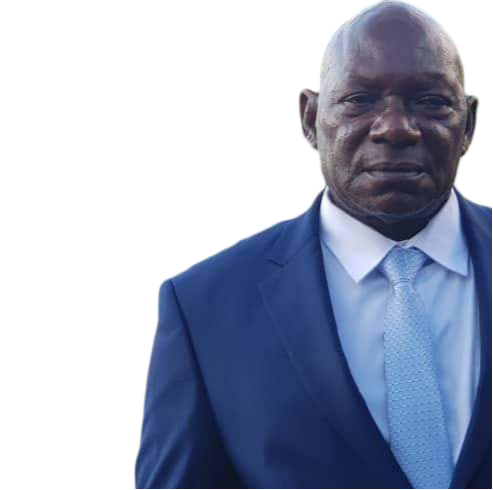
Nkanyiso Mncwabe, the company’s Managing Director, said the brewer had not been significantly affected by exchange rate fluctuations because it sources its key raw materials from Ugandan farmers rather than relying on imports.
Nile Breweries Limited (NBL) has ruled out increasing the prices of locally produced beer and other beverages in response to the Uganda shilling’s volatility against the US dollar, saying its reliance on locally sourced raw materials shields it from much of the pressure in the foreign exchange market.
Nkanyiso Mncwabe, the company’s Managing Director, said the brewer had not been significantly affected by exchange rate fluctuations because it sources its key raw materials from Ugandan farmers rather than relying on imports.
“We haven’t felt it much because we don’t need dollars to import our raw materials. Our materials are local. We get them locally from our farmers,” Mncwabe told journalists on Thursday in Luzira.
He acknowledged that foreign exchange volatility remained a concern for businesses but dismissed suggestions that the weakening shilling would trigger an immediate increase in beer prices.
“We don’t plan to increase prices. Any price increase, if it happens, will be because of other issues. We don’t spend on converting dollars. Prices are influenced by multiple factors,” he said.
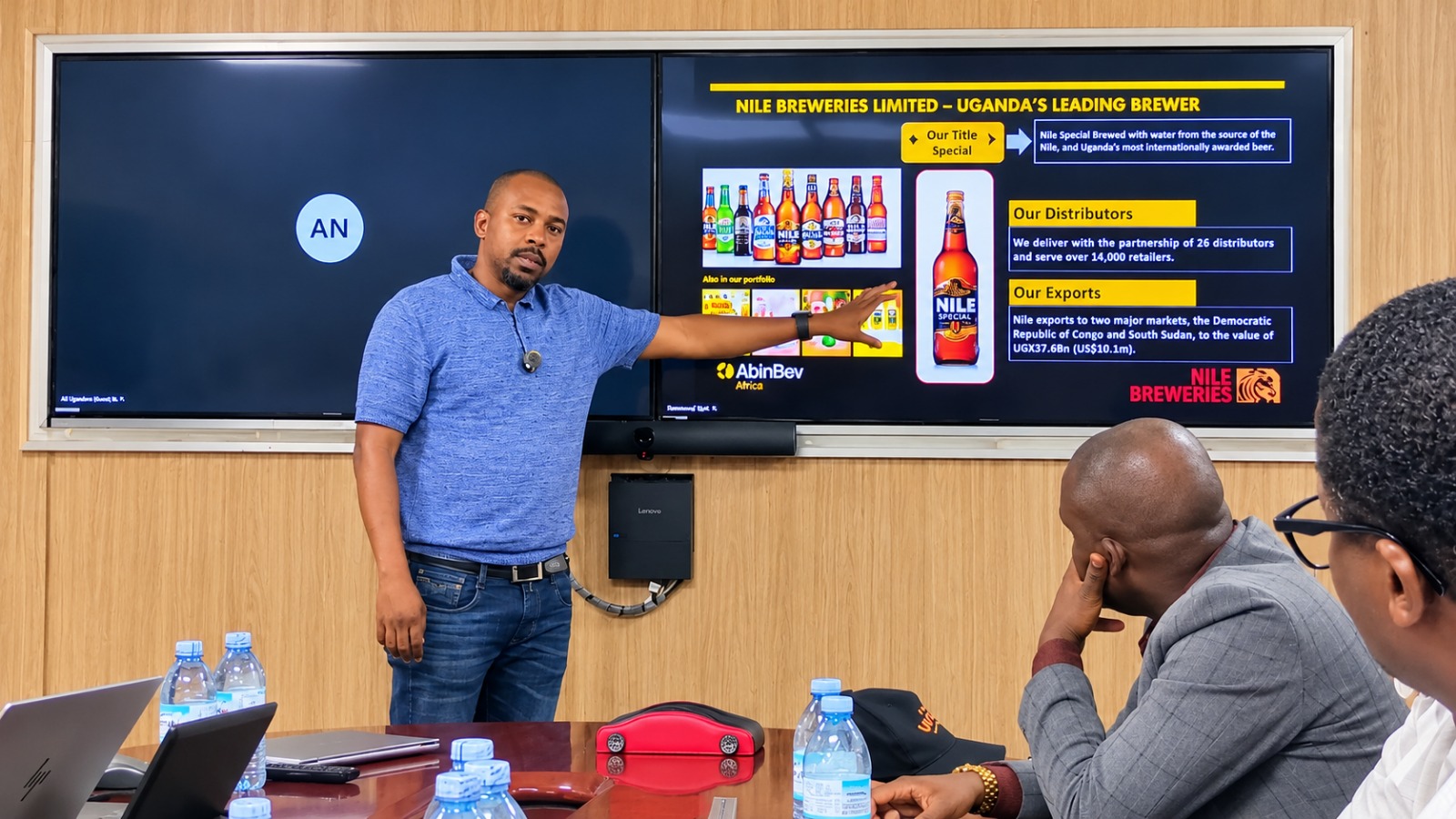
Mncwabe was speaking during an engagement with Kampala Metropolitan Business Journalists Cooperative (KMJC) at which the company outlined its contribution to Uganda’s economy, production capacity and partnerships with local agricultural producers.
Established in 1951 by the Madhvani family, Nile Breweries distributes its products through more than 26 distributors and serves over 14,000 retailers across the country.
The company has an annual production capacity of three million hectolitres and exports its products to the Democratic Republic of Congo and South Sudan. Its exports to the two markets are valued at approximately Shs37.6 billion.
Nile Breweries also works with about 4,000 barley farmers in the Kapchorwa highlands, providing a market for locally grown agricultural produce and supporting linkages between agriculture and manufacturing.
However, despite its local sourcing strategy, the brewer raised concerns over the country’s taxation and regulatory environment, warning that some policies could increase operating costs and ultimately affect consumers.
Emmanuel Njuki, the company’s Head of Legal and Corporate Affairs, singled out the cost of digital tax stamps, which he said exceeds Shs25 billion annually.
He also questioned the requirement for businesses to deposit 30 per cent of disputed tax assessments before challenging them before the Tax Appeals Tribunal, arguing that the provision limits access to tax dispute resolution.
Njuki further warned that proposed tax harmonisation measures within the East African Community could push up beer prices and encourage the growth of illicit alcohol if implemented without adequate consideration of their impact on the industry.
The company called for continued engagement between government, Parliament and industry players to address taxation and regulatory concerns, arguing that a predictable policy environment is important for investment, local manufacturing and business sustainability.
The brewer’s position comes amid wider concerns among businesses over exchange rate fluctuations, rising operating costs and taxation pressures, with manufacturers facing the challenge of maintaining competitive prices while managing production expenses.