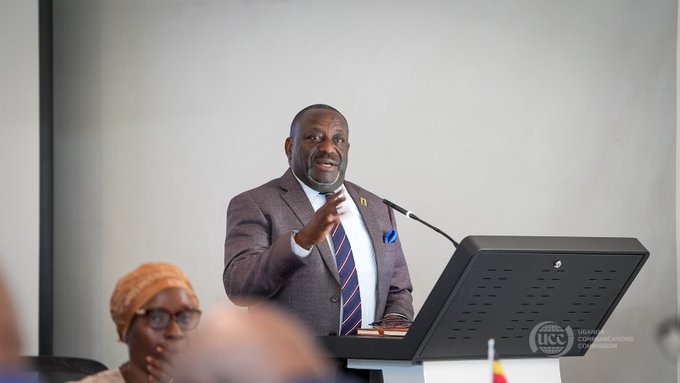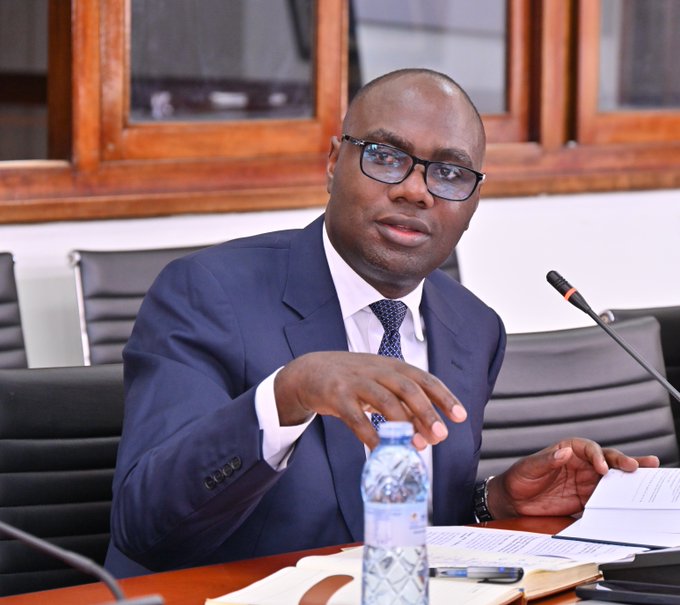
Ashaba, Lugoloobi stresses realistic planning in Uganda’s budget process
Speaking during an engagement with Members of Parliament at Speke Resort Munyonyo, Ashaba said the budget has two major components — revenue and expenditure — and emphasized that government spending must always be matched with realistic revenue projections.
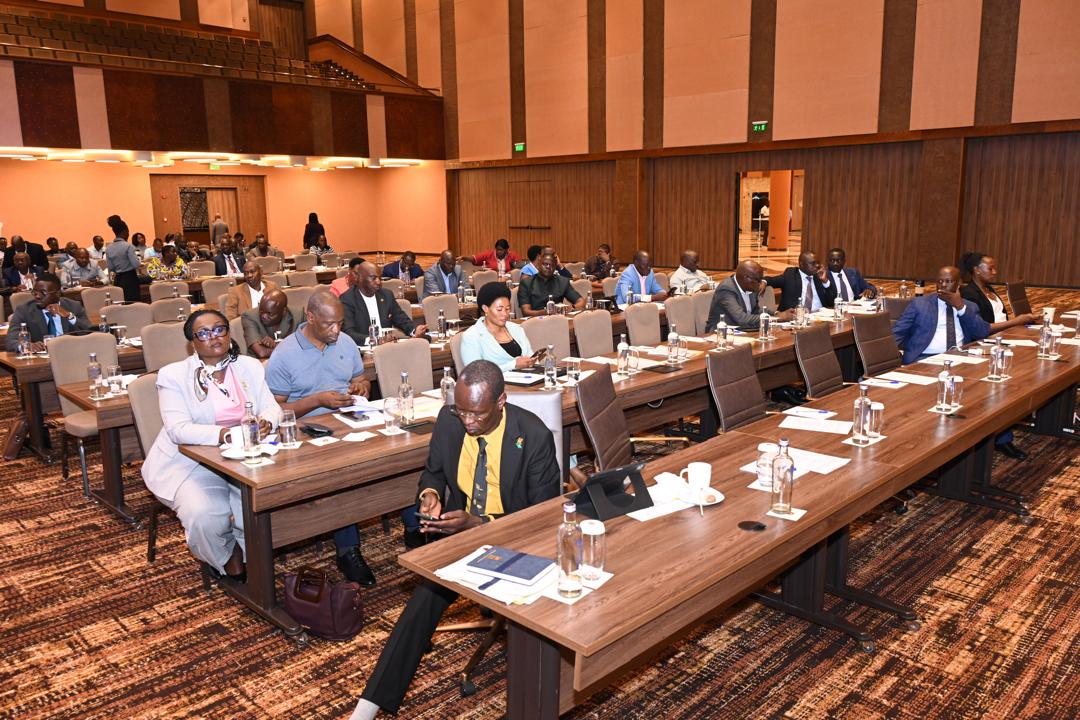
The Acting Director Budget, Hannington Ashaba, has called for realistic revenue planning and careful prioritization of government spending to ensure Uganda’s national budget delivers value for money amid limited resources.
Speaking during an engagement with Members of Parliament at Speke Resort Munyonyo, Ashaba said the budget has two major components — revenue and expenditure — and emphasized that government spending must always be matched with realistic revenue projections.
He noted that key sectors, including health, education, infrastructure, security, and other national priorities, must be carefully balanced during budget allocation to achieve sustainable development.
Ashaba stressed that all budget decisions must comply with the Constitution and the Public Finance Management Act. He added that annual budgets should align with national development frameworks such as Vision 2040, the Fourth National Development Plan (NDP IV), Programme Implementation Action Plans (PIAPs), the National Manifesto and the Tenfold Growth Strategy.
He highlighted Parliament’s important role in scrutinizing and approving key budget documents, including the Budget Framework Paper (BFP), Ministerial Policy Statements, tax proposals and expenditure plans. He said other stakeholders, including Cabinet, Ministries, Departments and Agencies (MDAs), and Local Governments, also play a critical role in the budget process.
Ashaba outlined major budget timelines, including the release of the First Budget Policy Circular on 15th September, submission of the National Budget Framework Paper by 31st December, submission of Ministerial Policy Statements by 15th March, and final approval of the budget and tax proposals by 31st May.
On budget implementation, he urged stronger monitoring of quarterly releases, major projects, budget variances, supplementary budgets, commitments, and expenditure. He cautioned against “budget games,” calling for decisions to be guided by national priorities, evidence, and available resources.
Meanwhile, State Minister for Finance (Planning), Hon. Amos Lugoloobi underscored the importance of the Budget Framework Paper in Uganda’s budget cycle, describing it as a key tool that allows Parliament to engage with government priorities early.
Lugoloobi explained that the BFP gives Parliament an opportunity to scrutinize proposed priorities, make recommendations, and influence the final budget before detailed Budget Estimates are presented.
He said the framework creates an important platform for consultation between the Executive and Parliament, enabling informed decision-making and better prioritization within Uganda’s limited fiscal space.
Ashaba concluded that effective budgeting is not only about allocating funds but also about linking planning, revenue mobilization, expenditure management, implementation, and oversight to improve public services and promote sustainable national development.