Beyond Disability: Eric Geoffrey Mkwe and the fight to restore independence for amputees through Life and Limb Initiative
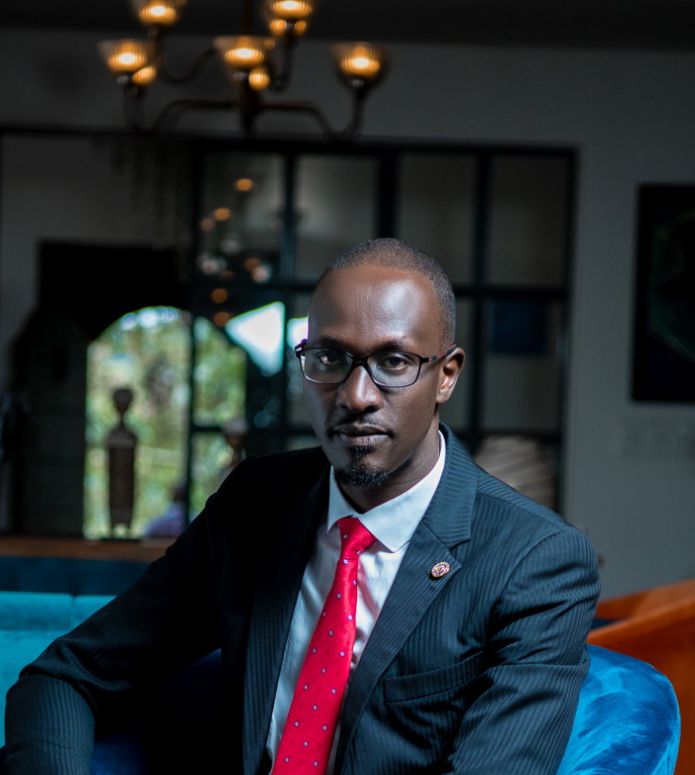
After a road accident left him fighting to save his limb, enduring months of hospitalization, Eric Geoffrey Mkwe, was inspired to start Life and Limb Initiative to help other accident victims in Uganda.
For many people who lose limbs, the struggle extends far beyond physical recovery. The loss of mobility can mean losing a job, abandoning a business, reduced household income and growing dependence on family members.
Through its planned skills development, vocational training and livelihood programmes, Life and Limb Initiative, founded by lawyer Eric Geoffrey Mkwe, hopes to help amputees rebuild their economic independence and reclaim their place in society.
After a road accident left him fighting to save his limb, enduring months of hospitalization, Eric Geoffrey Mkwe, was inspired to start Life and Limb Initiative to help other accident victims in Uganda.
For many Ugandans, earning a living is a daily struggle that depends on their ability to work, run a business or participate in some form of economic activity. But for someone who loses a limb following an accident, illness or medical complication, the ability to earn an income can suddenly become uncertain.
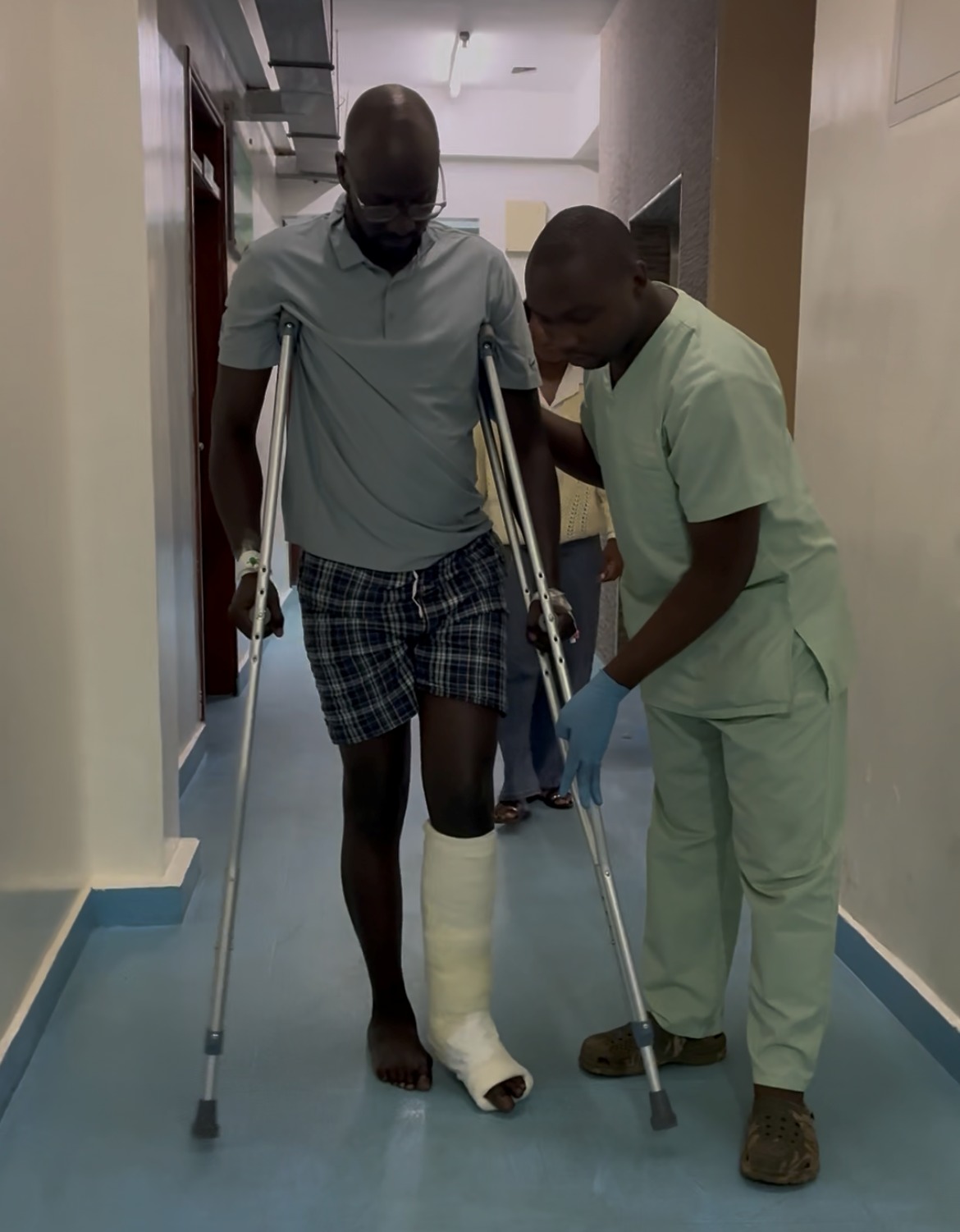
Beyond the immediate pain, hospital bills and lengthy rehabilitation, amputation can trigger an economic crisis that affects not only the individual but also their entire household.
A person who previously worked as a mechanic, driver, construction worker, farmer or trader may find it difficult to return to the same occupation. Others may lose formal employment, abandon businesses or struggle to secure new opportunities because workplaces and working environments are not designed to accommodate their needs.
For families that depend on a single breadwinner, the consequences can be particularly devastating.
The loss of income often coincides with increased expenditure on medical treatment, rehabilitation, mobility aids, transport and daily care. Households may be forced to redirect money previously allocated to education, food, housing and other essential needs towards supporting the injured family member.
In some cases, relatives have to reduce their working hours or abandon employment altogether to provide care, further weakening household finances.
This is the economic dimension of limb loss that often receives less attention than the medical challenges of amputation.
When disability becomes an economic setback
The transition from being economically active to depending on others can be difficult for amputees, particularly those who had established careers or businesses before their injuries.
For workers in physically demanding occupations, losing a limb may make returning to their previous jobs difficult without appropriate rehabilitation, workplace adjustments or assistive technology.
A construction worker, for instance, may struggle to return to a site where mobility and physical strength are essential. A farmer may find routine agricultural activities more difficult, while a mechanic may require workplace modifications to continue operating effectively.
Even people whose occupations do not necessarily depend on physical mobility can face discrimination during recruitment or when seeking to return to employment.
Employers may make assumptions about their productivity, capabilities or ability to perform certain tasks without assessing their actual skills and qualifications.
For self-employed individuals, the consequences can be equally serious. A trader who cannot return to the market, a boda boda rider who loses the ability to ride or an artisan who cannot operate machinery may see their source of income disappear.
The financial strain is often worsened by the cost of acquiring prosthetic limbs and accessing rehabilitation, which can consume resources that would otherwise support household recovery.
For many affected families, the challenge becomes finding a new way to earn a living while managing the physical, emotional and financial consequences of disability.
The personal cost of losing economic independence
Ugandan lawyer Eric Geoffrey Mkwe understands how quickly an injury can disrupt professional and financial stability.
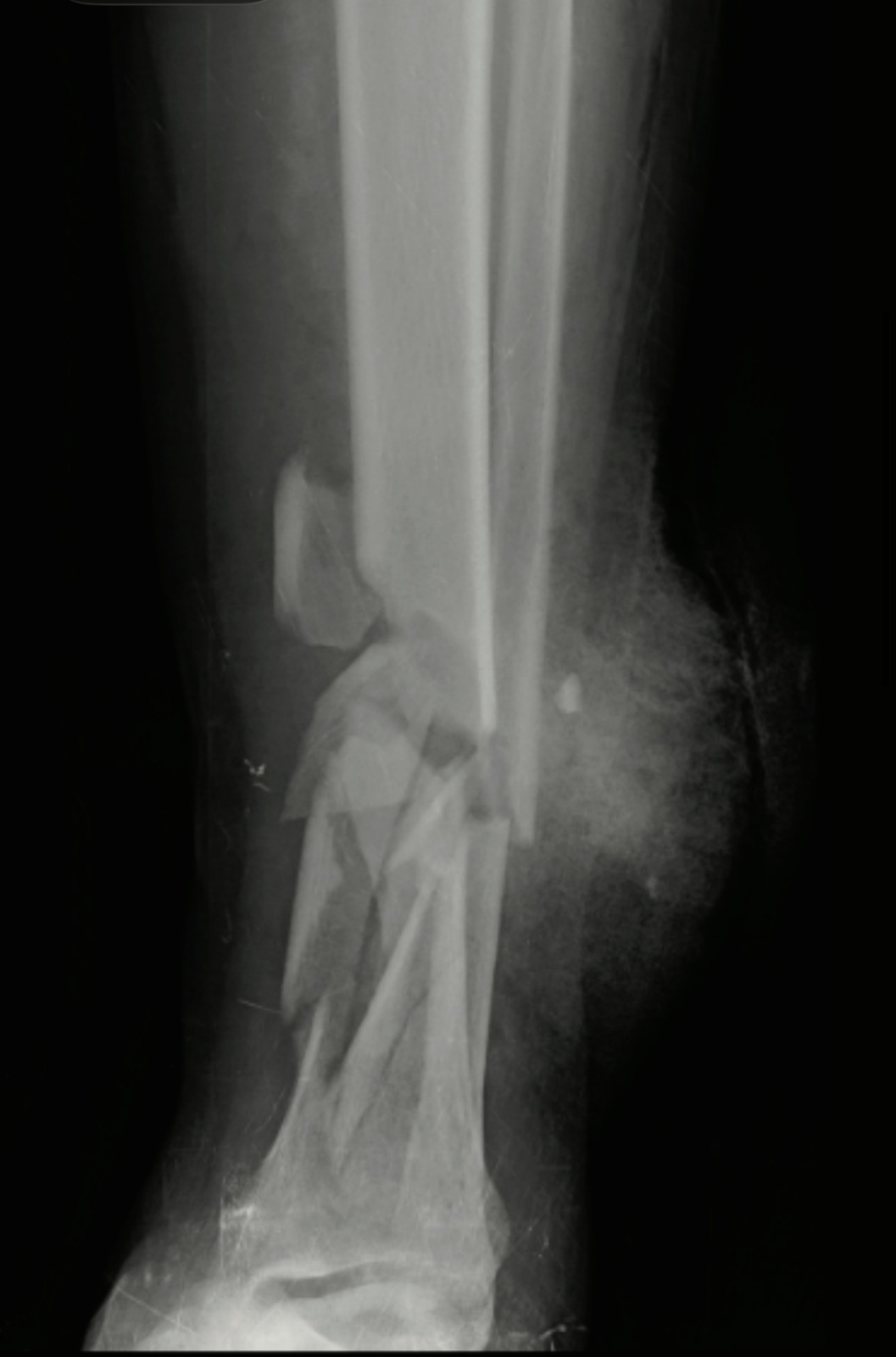
Following a road accident in December 2025, Mkwe underwent multiple surgeries and spent four months confined to a hospital bed as he fought to save his limb.
During his recovery, he suffered another setback when he lost his job after his employer reportedly concluded that he could no longer add value to the organisation.
For someone whose professional life had been built around a legal career, the experience exposed the vulnerability that can accompany disability and prolonged illness.
His circumstances also brought him into contact with other amputees struggling with similar challenges, including loss of employment, financial insecurity and difficulties rebuilding their livelihoods.
These experiences inspired him to establish Life and Limb Initiative, an organisation seeking to improve the lives of people living with limb loss through healthcare support, economic empowerment and disability rights advocacy.
For Mkwe, restoring independence must go beyond helping someone recover physically. It must also involve creating opportunities for them to earn an income, support their families and participate meaningfully in society.
Skills development as a pathway to independence
Through Life and Limb Initiative, Mkwe hopes to address the economic challenges facing amputees by promoting skills development, vocational training and access to livelihood opportunities.
The organisation’s planned economic empowerment programme recognises that people living with limb loss have different abilities, educational backgrounds, professional experiences and aspirations. Consequently, support should be tailored to individual circumstances rather than adopting a one-size-fits-all approach.
The proposed interventions include vocational training to equip beneficiaries with practical skills that can enable them to secure employment or establish their own businesses.
Potential areas include tailoring, crafts, digital skills, entrepreneurship and other income-generating activities that can be adapted to individual abilities and market demand.
The organisation also plans to facilitate access to business start-up kits to help beneficiaries translate their acquired skills into sustainable economic activities.
For an amputee interested in tailoring, for instance, access to a sewing machine and basic working materials could provide an opportunity to establish a small business. Similarly, digital skills training could open opportunities for remote work, online business and other forms of employment that do not necessarily require extensive physical mobility.
Mentorship is another component of the proposed programme. By connecting beneficiaries with experienced entrepreneurs, professionals and business owners, the organisation hopes to help them develop business management skills, identify market opportunities and navigate the challenges of establishing sustainable enterprises.
The intention is to move beyond temporary assistance towards interventions that enable people living with limb loss to become economically self-reliant.
Changing attitudes towards disability and employment
Beyond providing skills and business support, restoring economic independence requires addressing the attitudes and structural barriers that prevent people with disabilities from accessing employment.
In many workplaces, disability is still viewed through the lens of limitation rather than ability. This can result in qualified individuals being overlooked during recruitment or denied opportunities to return to work following an injury.
For amputees, inaccessible buildings, unsuitable workstations, inadequate transport and limited workplace adjustments can create additional barriers.
Life and Limb Initiative intends to address these challenges through advocacy and engagement with employers, businesses and other stakeholders to promote inclusive employment practices.
The organisation seeks to encourage employers to assess individuals based on their qualifications, experience and capacity to perform particular roles rather than making assumptions based on their physical conditions.
It also hopes to promote reasonable workplace adjustments that can enable employees living with limb loss to perform their duties effectively.
Such interventions could include accessible workspaces, adapted equipment, flexible working arrangements and appropriate assistive technologies.
For businesses, embracing inclusive employment also creates an opportunity to tap into a wider pool of skills and talent while contributing to social and economic inclusion.
Building partnerships for sustainable livelihoods
Recognising that economic empowerment requires resources and technical expertise, Life and Limb Initiative intends to work with businesses, financial institutions, vocational training providers, development partners and government agencies.
Such partnerships could support vocational training, provide business equipment, facilitate access to start-up capital and create employment opportunities for people living with limb loss.
Corporate organisations could also contribute through mentorship programmes, internships, workplace placements and inclusive recruitment initiatives.
For Mkwe, the ambition is to build a support system that recognises amputees not simply as recipients of assistance but as potential entrepreneurs, employees, professionals and contributors to national development.
However, translating this vision into tangible outcomes will require sustained investment, effective partnerships and programmes that respond to the actual needs of beneficiaries.
Restoring more than an income
The journey towards economic independence after amputation is rarely straightforward. It requires access to appropriate healthcare, rehabilitation, assistive devices, skills development and an environment that provides equal opportunities.
For Life and Limb Initiative, addressing these interconnected challenges is central to its vision of a society where losing a limb does not mean losing one’s livelihood or future.