
Bank calls for action-oriented partnerships to drive Uganda’s economic growth
The summit also highlighted the growing importance of Environmental, Social and Governance (ESG) considerations in investment and financing decisions.
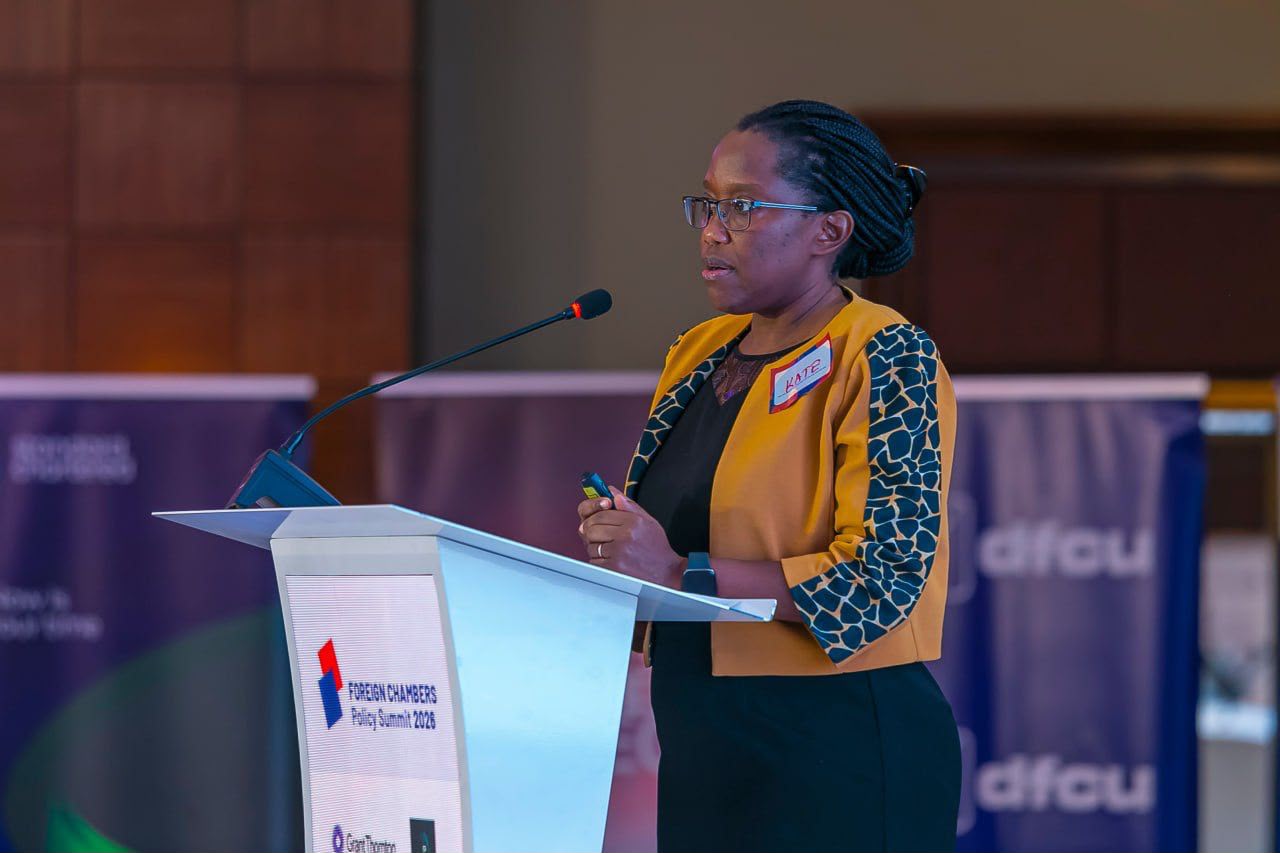
Uganda’s ambition to achieve rapid economic transformation and unlock the full potential of the private sector will depend on how effectively stakeholders translate policy commitments into coordinated action, dfcu Bank has said.
The call was made during the Foreign Chambers Policy Summit in Kampala, which brought together government officials, private sector leaders, development partners, investors and economists to discuss the implications of the FY2026/27 National Budget, labour reforms and emerging legislation on Uganda’s business environment.
Speaking at the summit, Kate Kiiza, Executive Director and Chief Corporate & Institutional Banking Officer at dfcu Bank, said Uganda has made significant progress in developing policies aimed at stimulating economic growth, but implementation remains a major challenge.
“Uganda has a strong vision for growth, but execution remains the defining challenge,” Kiiza said. “Without translating policy into action, Uganda’s Tenfold (10x) Growth Strategy risks remaining aspirational. What is needed now is coordinated implementation that delivers jobs, drives enterprise growth and strengthens competitiveness.”
Kiiza emphasized that sustainable economic transformation cannot be achieved by government or the private sector acting independently. Instead, she called for stronger partnerships among government institutions, financial institutions, development agencies and businesses to align investments with national development priorities.
One of the key issues raised during the summit was the continued difficulty many businesses face in accessing affordable and flexible financing. Small and medium-sized enterprises (SMEs), which form the backbone of Uganda’s economy, remain particularly affected by limited access to capital tailored to their growth needs.
According to Kiiza, financial solutions must be designed to reflect the realities of different sectors and business stages rather than relying on generic lending products.
“Growth cannot be financed through generic products,” she noted. “Businesses require solutions that reflect their operating realities, risk profiles and the opportunities within their sectors. This is where financial institutions must step in; not just as lenders, but as long-term partners.”
She added that banks have a critical responsibility to mobilize capital, support investment and help businesses build resilience amid evolving market conditions, regional trade dynamics and global economic uncertainties.
As part of its growth strategy, dfcu Bank continues to prioritize sectors considered central to Uganda’s long-term development agenda, including agriculture, manufacturing and trade. The sector-focused approach combines financing with advisory services and industry expertise to help enterprises expand sustainably and compete more effectively.
The bank has also expanded specialized financial products to meet changing business needs. These include trade finance facilities, structured commodity finance, working capital solutions, foreign exchange services and treasury products designed to support businesses seeking growth and regional competitiveness.
Kiiza noted that such interventions are contributing to greater financial inclusion and helping previously underserved communities participate more actively in the formal economy.
The summit also highlighted the growing importance of Environmental, Social and Governance (ESG) considerations in investment and financing decisions. Areas such as renewable energy, climate resilience, water access and inclusive economic participation are increasingly influencing how capital is allocated by investors and financial institutions.
Closing her remarks, Kiiza urged stakeholders to move beyond policy discussions and focus on practical actions that can unlock economic opportunities.
“Policy direction is important, but it is execution that delivers results,” she said. “We must align around practical interventions that unlock capital, de-risk investment and create an enabling environment for businesses to grow.”
As dfcu Bank marks 62 years of operation, the institution reaffirmed its commitment to supporting Uganda’s development through financing, advisory services and strategic partnerships. Established in 1964 as the Development Finance Company of Uganda, dfcu has played a significant role in financing enterprises and promoting private sector growth across the country.
The bank says its legacy continues to be reflected in the thousands of Ugandan businesses it has supported through access to capital and business development solutions, positioning it as a key partner in Uganda’s journey toward sustainable economic growth.